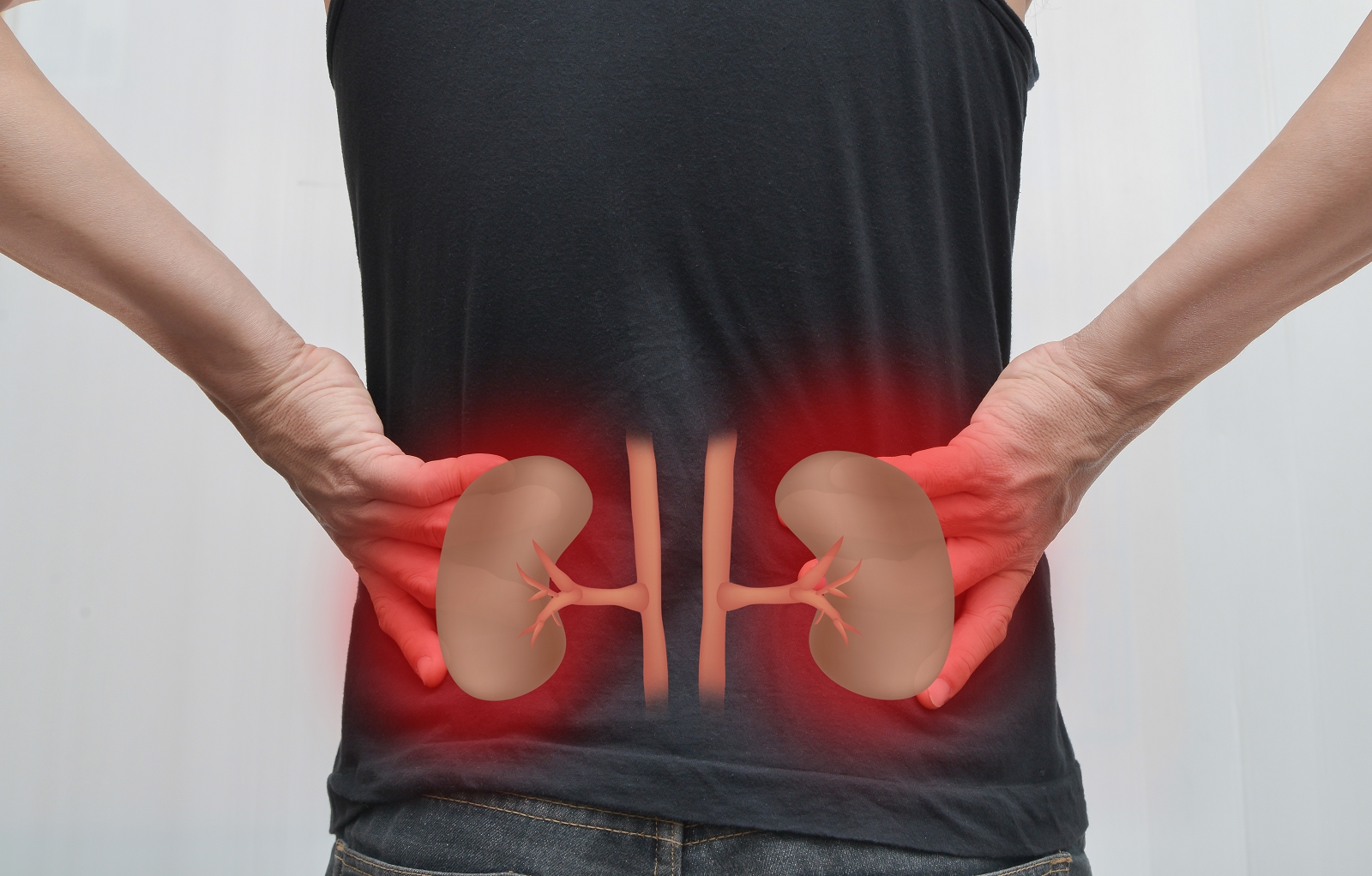
Health Science | What is kidney failure? What are the causes of kidney failure?
James has been feeling very tired recently, and his hands and feet have been weak and swollen for more than half a month. At first, James thought it was a minor problem and did not tell his family. Later, the situation became more and more serious, and he had to go to the hospital for a check-up. It turned out that he had chronic kidney disease. Such examples are not uncommon in life.

What is renal failure?

Renal failure refers to the loss of normal filtering and excretion functions of the kidneys, resulting in the inability to normally excrete waste, toxins and fluids from the body.

How is renal failure classified?

Renal failure can be divided into acute renal failure and chronic renal failure.

1. Acute renal failure

Acute renal failure refers to a sharp decline in renal function in a short period of time, usually caused by some acute events such as severe infection, trauma or poisoning. Acute renal failure is usually reversible, and renal function can be restored if treated in time.

2. Chronic renal failure

Chronic renal failure refers to the gradual decline of renal function, usually due to a long-term disease process, such as diabetes, hypertension, chronic nephritis, etc. Chronic renal failure is an irreversible process that may eventually develop into end-stage renal disease, requiring dialysis or kidney transplantation.

What are the four main causes of renal failure?

1. Kidney disease

Renal failure caused by kidney disease accounts for a large proportion of chronic renal failure, reaching more than 70%. For example, diseases such as nephrotic syndrome, kidney stones, renal cysts, and chronic glomerulonephritis.

2. Severe infection

The causes of renal failure also include various severe infections, especially patients with sepsis can induce renal failure through renal ischemia and renal toxicity mechanisms.

3. Drug-induced renal failure

If nephrotoxic drugs are used improperly for a long time, they will cause certain damage to the kidneys. When the damage slowly accumulates to a certain extent, renal failure will occur. For example, painkillers contain phenacetin. Once taken for a long time, it will cause damage to the kidneys and cause chronic interstitial nephritis, which will lead to renal failure.

4. Diabetes and hypertension

Diabetes and hypertension are also one of the causes of renal failure. If blood sugar and blood pressure are too high for a long time, it will cause vascular sclerosis and kidney damage.

How to diagnose renal failure?

1. Clinical manifestations

Renal failure patients often experience symptoms such as edema, hypertension, anemia, fatigue, loss of appetite, nausea, vomiting, and may also experience cardiovascular disease, respiratory system symptoms, and neurological symptoms.

2. Laboratory tests

Renal failure patients have significantly increased renal function indicators such as blood urea nitrogen (BUN) and creatinine (Cr), decreased urine volume, increased urine specific gravity, and abnormalities such as proteinuria and tubular urine in urine tests. Electrolyte and acid-base balance, anemia, etc. can also be checked.

3. Imaging examinations

B-ultrasound, CT, MRI and other imaging examinations can evaluate the structure and function of the kidneys, determine the extent and range of kidney damage, and help formulate treatment plans.

4. Renal biopsy

For patients with unexplained renal failure, a renal biopsy can be performed to confirm the diagnosis. Renal biopsy can directly observe the pathological changes of glomeruli, tubules and interstitium, which helps to clarify the cause and treatment plan.

How to prevent and treat renal failure?
Prevention and management of renal failure requires comprehensive measures, including lifestyle adjustments, drug treatment and regular monitoring of renal function.

1. Control underlying diseases

Effective management of diabetes and hypertension is an important measure to prevent renal failure. Patients should monitor blood sugar and blood pressure regularly and follow the doctor's advice for treatment.

2. Healthy diet

Pay attention to a low-salt, low-protein, low-fat diet, avoid eating too much red meat and high-phosphorus foods, and eat more fruits, vegetables and whole grains.

3. Maintain good living habits

Quit smoking and limit alcohol, avoid excessive fatigue, and maintain moderate exercise.

4. Regular physical examinations

Especially for people with a family history of kidney disease or high-risk factors, urine routine, blood creatinine and glomerular filtration rate should be checked regularly to detect abnormal renal function early.

5. Use drugs with caution

Avoid using drugs that are potentially toxic to the kidneys. Please consult a doctor when using any new drugs.

6. Timely treatment of infections

Prevent and promptly treat urinary tract infections to prevent infections from causing further damage to the kidneys.

How is kidney failure treated?

Treatment for kidney failure depends on the severity of the condition and the underlying cause:

1.Drug treatment

Medications to control symptoms and complications, such as high blood pressure medications, diuretics, and medications to correct anemia.

2. Dialysis

When kidney function is severely lost, dialysis treatment may be needed to remove waste products and excess fluid from the body. Dialysis includes two methods: hemodialysis and peritoneal dialysis.

3. Kidney transplant

For patients with end-stage renal disease, kidney transplantation may be one of the most effective treatments and can significantly improve quality of life and survival.

4. Diet modification and lifestyle changes

Properly adjusting your diet and lifestyle under the guidance of a doctor and nutritionist can help reduce the burden on your kidneys.
In conclusion, renal failure is a complex pathological process involving multiple causes and mechanisms. Early detection and intervention are key, and effective preventive measures and reasonable treatment plans can improve the prognosis of patients. Understanding renal failure and its causes can help raise the public's attention to kidney health, so that active measures can be taken to protect our kidneys.

Trending Now
|
Health Science | What is kidney failure? What are the causes of kidney failure?
James has been feeling very tired recently, and his hands and feet have been weak and swollen for more than half a month. At first, James thought it was a minor problem and did not tell his family. Later, the situation became more and more serious, and he had to go to the hospital for a check-up. It turned out that he had chronic kidney disease. Such examples are not uncommon in life.

What is renal failure?

Renal failure refers to the loss of normal filtering and excretion functions of the kidneys, resulting in the inability to normally excrete waste, toxins and fluids from the body.

How is renal failure classified?

Renal failure can be divided into acute renal failure and chronic renal failure.

1. Acute renal failure

Acute renal failure refers to a sharp decline in renal function in a short period of time, usually caused by some acute events such as severe infection, trauma or poisoning. Acute renal failure is usually reversible, and renal function can be restored if treated in time.

2. Chronic renal failure

Chronic renal failure refers to the gradual decline of renal function, usually due to a long-term disease process, such as diabetes, hypertension, chronic nephritis, etc. Chronic renal failure is an irreversible process that may eventually develop into end-stage renal disease, requiring dialysis or kidney transplantation.

What are the four main causes of renal failure?

1. Kidney disease

Renal failure caused by kidney disease accounts for a large proportion of chronic renal failure, reaching more than 70%. For example, diseases such as nephrotic syndrome, kidney stones, renal cysts, and chronic glomerulonephritis.

2. Severe infection

The causes of renal failure also include various severe infections, especially patients with sepsis can induce renal failure through renal ischemia and renal toxicity mechanisms.

3. Drug-induced renal failure

If nephrotoxic drugs are used improperly for a long time, they will cause certain damage to the kidneys. When the damage slowly accumulates to a certain extent, renal failure will occur. For example, painkillers contain phenacetin. Once taken for a long time, it will cause damage to the kidneys and cause chronic interstitial nephritis, which will lead to renal failure.

4. Diabetes and hypertension

Diabetes and hypertension are also one of the causes of renal failure. If blood sugar and blood pressure are too high for a long time, it will cause vascular sclerosis and kidney damage.

How to diagnose renal failure?

1. Clinical manifestations

Renal failure patients often experience symptoms such as edema, hypertension, anemia, fatigue, loss of appetite, nausea, vomiting, and may also experience cardiovascular disease, respiratory system symptoms, and neurological symptoms.

2. Laboratory tests

Renal failure patients have significantly increased renal function indicators such as blood urea nitrogen (BUN) and creatinine (Cr), decreased urine volume, increased urine specific gravity, and abnormalities such as proteinuria and tubular urine in urine tests. Electrolyte and acid-base balance, anemia, etc. can also be checked.

3. Imaging examinations

B-ultrasound, CT, MRI and other imaging examinations can evaluate the structure and function of the kidneys, determine the extent and range of kidney damage, and help formulate treatment plans.

4. Renal biopsy

For patients with unexplained renal failure, a renal biopsy can be performed to confirm the diagnosis. Renal biopsy can directly observe the pathological changes of glomeruli, tubules and interstitium, which helps to clarify the cause and treatment plan.

How to prevent and treat renal failure?
Prevention and management of renal failure requires comprehensive measures, including lifestyle adjustments, drug treatment and regular monitoring of renal function.

1. Control underlying diseases

Effective management of diabetes and hypertension is an important measure to prevent renal failure. Patients should monitor blood sugar and blood pressure regularly and follow the doctor's advice for treatment.

2. Healthy diet

Pay attention to a low-salt, low-protein, low-fat diet, avoid eating too much red meat and high-phosphorus foods, and eat more fruits, vegetables and whole grains.

3. Maintain good living habits

Quit smoking and limit alcohol, avoid excessive fatigue, and maintain moderate exercise.

4. Regular physical examinations

Especially for people with a family history of kidney disease or high-risk factors, urine routine, blood creatinine and glomerular filtration rate should be checked regularly to detect abnormal renal function early.

5. Use drugs with caution

Avoid using drugs that are potentially toxic to the kidneys. Please consult a doctor when using any new drugs.

6. Timely treatment of infections

Prevent and promptly treat urinary tract infections to prevent infections from causing further damage to the kidneys.

How is kidney failure treated?

Treatment for kidney failure depends on the severity of the condition and the underlying cause:

1.Drug treatment

Medications to control symptoms and complications, such as high blood pressure medications, diuretics, and medications to correct anemia.

2. Dialysis

When kidney function is severely lost, dialysis treatment may be needed to remove waste products and excess fluid from the body. Dialysis includes two methods: hemodialysis and peritoneal dialysis.

3. Kidney transplant

For patients with end-stage renal disease, kidney transplantation may be one of the most effective treatments and can significantly improve quality of life and survival.

4. Diet modification and lifestyle changes

Properly adjusting your diet and lifestyle under the guidance of a doctor and nutritionist can help reduce the burden on your kidneys.
In conclusion, renal failure is a complex pathological process involving multiple causes and mechanisms. Early detection and intervention are key, and effective preventive measures and reasonable treatment plans can improve the prognosis of patients. Understanding renal failure and its causes can help raise the public's attention to kidney health, so that active measures can be taken to protect our kidneys.

Trending Now