How to choose the right dental plan for you! The most expensive is not the best!
This article covers four orthodontic methods: fixed braces (metal and ceramic), clear aligners (customized and aesthetic), functional appliances (for bone growth adjustment), and combined treatment with jaw surgery for severe skeletal issues. Each option has its pros and cons, and patients can choose based on their needs.

Crooked teeth, crooked teeth, buck teeth... not only affect the aesthetics and function of the teeth, making it difficult to clean teeth, but also make some people lose confidence when communicating... To correct these dental misalignments, there are many orthodontic methods that can be chosen, depending on the severity of the misalignment, age, and needs of the patient...

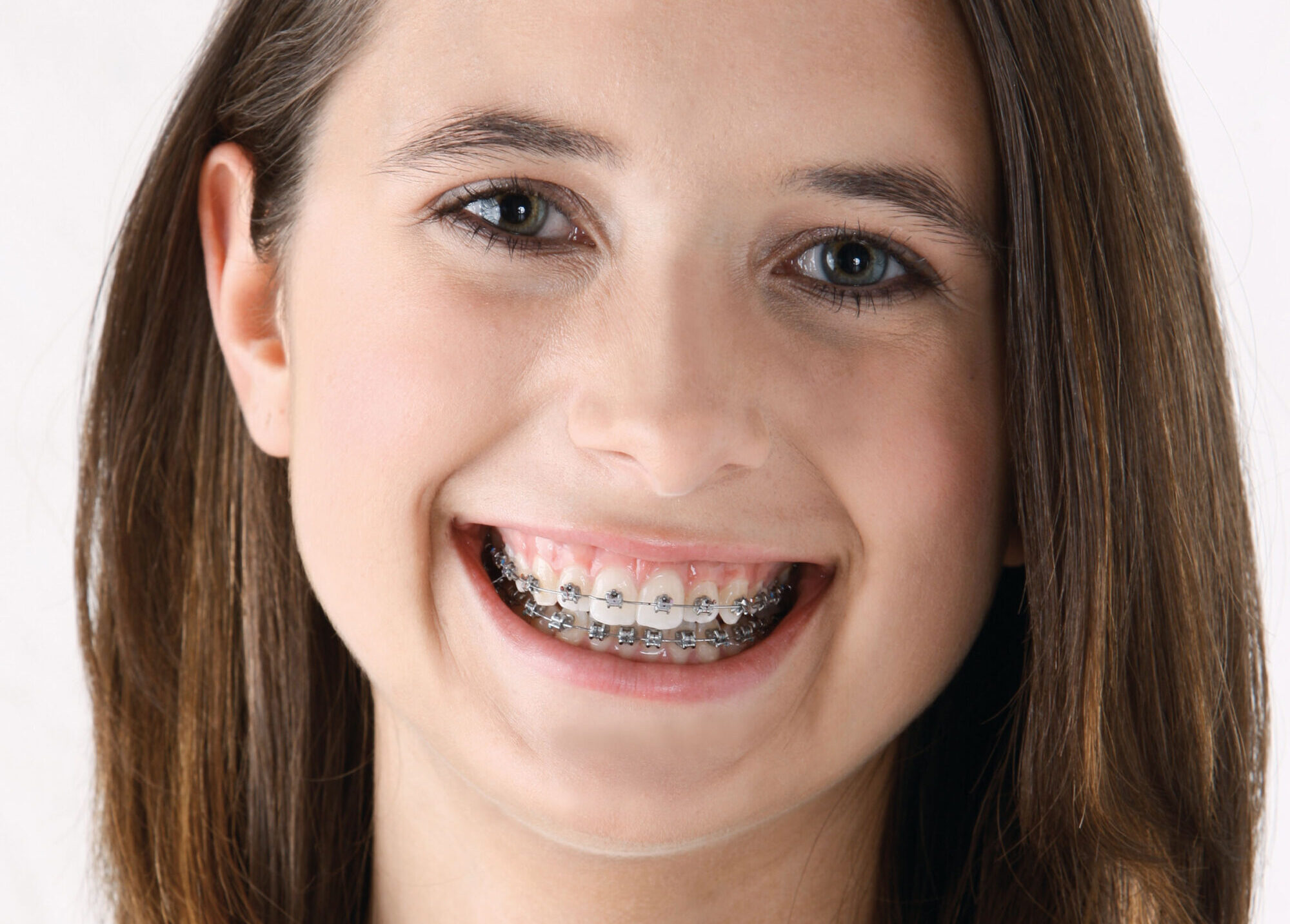
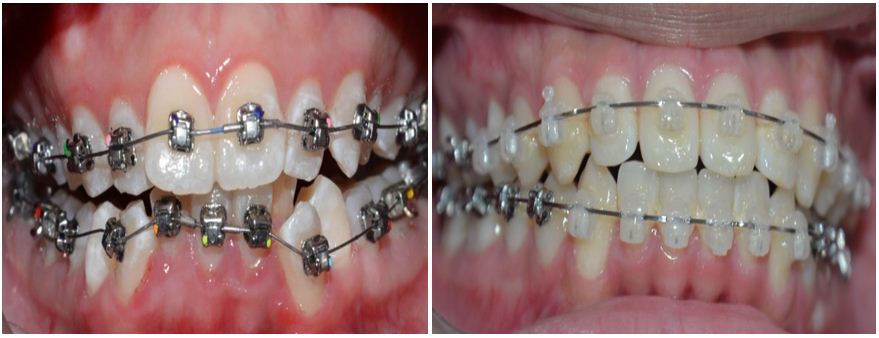
1. Orthodontics uses fixed appliances - braces, which are firmly attached to the tooth surface during treatment.

Currently, there are many types of braces used in orthodontics, produced by different companies. However, they can be grouped based on the following characteristics:

* Based on the material used to make the braces

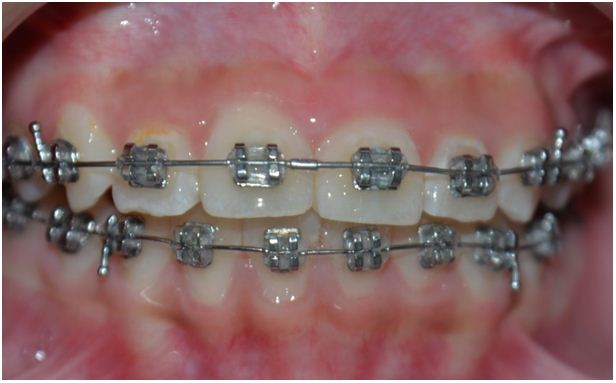
- Metal braces. Advantages: simple, highly effective, low cost, less likely to deform during use. Disadvantages: not very aesthetic.
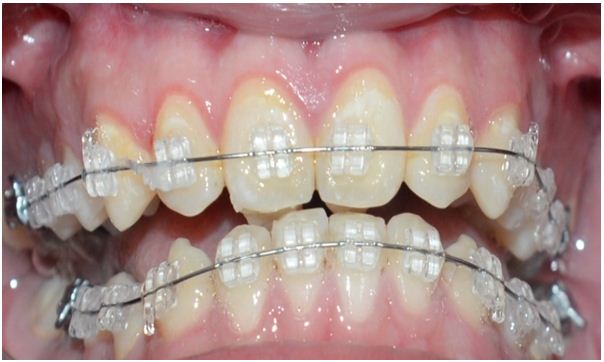
- Ceramic braces. Advantages: high aesthetics, simple to use, effective tooth movement. Disadvantages: higher cost, risk of breakage during chewing and use. 
* Based on the operating mechanism of braces.

- Traditional braces, using elastics and steel wires to hold the wire in the bracket slot. Advantages: simple, low cost. Disadvantages: difficult to clean teeth, elastics can slip off or change color during use.
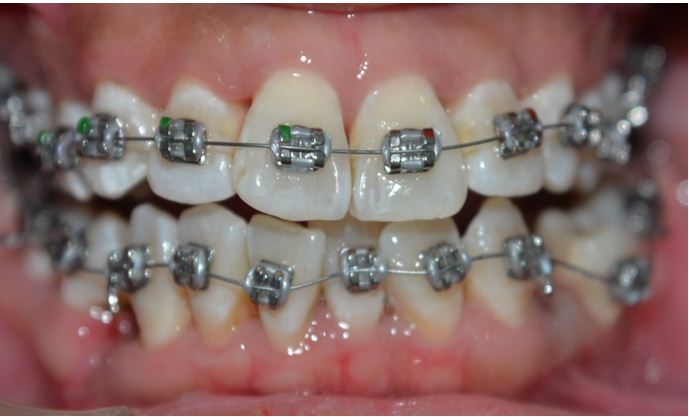
- Self-ligating braces: have a closing cap or a clip that holds the wire. Advantages: simple, easy to use; high efficiency in tooth movement, less hindering oral hygiene, often compactly designed, less uncomfortable for patients. Disadvantages: some types require better oral hygiene, avoid food and tartar getting stuck, making it difficult to open and close the braces cap; higher cost.
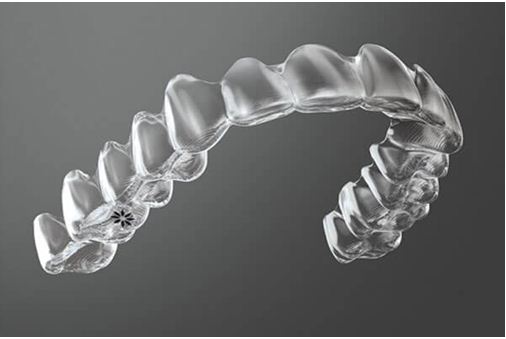
2. Teeth straightening using a transparent personal tray system

- Use removable trays, designed specifically for each patient. Advantages: removable trays during use, so they do not affect chewing or oral hygiene; cause little discomfort to the patient due to bulkiness or obstruction; and ensure high aesthetics during use. Disadvantages: high cost.
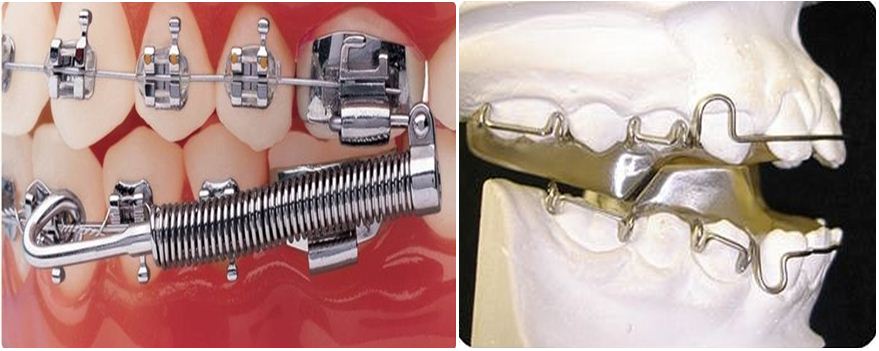
3. Orthodontics using functional appliances

Used to alter the patient's bone growth, it can be removable and or fixed.
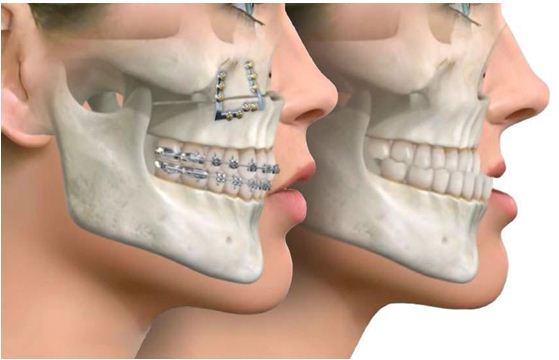
4. Orthodontics combined with surgery

In some cases where there are abnormalities in bone condition, for example: bone asymmetry, severe jaw overdevelopment or underdevelopment, large bone correlation difference between the two jaws... affecting aesthetics, function... it may be necessary to combine orthodontic treatment and jaw surgery.
Trending Now
|
How to choose the right dental plan for you! The most expensive is not the best!
This article covers four orthodontic methods: fixed braces (metal and ceramic), clear aligners (customized and aesthetic), functional appliances (for bone growth adjustment), and combined treatment with jaw surgery for severe skeletal issues. Each option has its pros and cons, and patients can choose based on their needs.

Crooked teeth, crooked teeth, buck teeth... not only affect the aesthetics and function of the teeth, making it difficult to clean teeth, but also make some people lose confidence when communicating... To correct these dental misalignments, there are many orthodontic methods that can be chosen, depending on the severity of the misalignment, age, and needs of the patient...

1. Orthodontics uses fixed appliances - braces, which are firmly attached to the tooth surface during treatment.

Currently, there are many types of braces used in orthodontics, produced by different companies. However, they can be grouped based on the following characteristics:

* Based on the material used to make the braces

- Metal braces. Advantages: simple, highly effective, low cost, less likely to deform during use. Disadvantages: not very aesthetic.

- Ceramic braces. Advantages: high aesthetics, simple to use, effective tooth movement. Disadvantages: higher cost, risk of breakage during chewing and use. 

* Based on the operating mechanism of braces.

- Traditional braces, using elastics and steel wires to hold the wire in the bracket slot. Advantages: simple, low cost. Disadvantages: difficult to clean teeth, elastics can slip off or change color during use.

- Self-ligating braces: have a closing cap or a clip that holds the wire. Advantages: simple, easy to use; high efficiency in tooth movement, less hindering oral hygiene, often compactly designed, less uncomfortable for patients. Disadvantages: some types require better oral hygiene, avoid food and tartar getting stuck, making it difficult to open and close the braces cap; higher cost.

2. Teeth straightening using a transparent personal tray system

- Use removable trays, designed specifically for each patient. Advantages: removable trays during use, so they do not affect chewing or oral hygiene; cause little discomfort to the patient due to bulkiness or obstruction; and ensure high aesthetics during use. Disadvantages: high cost.

3. Orthodontics using functional appliances

Used to alter the patient's bone growth, it can be removable and or fixed.

4. Orthodontics combined with surgery

In some cases where there are abnormalities in bone condition, for example: bone asymmetry, severe jaw overdevelopment or underdevelopment, large bone correlation difference between the two jaws... affecting aesthetics, function... it may be necessary to combine orthodontic treatment and jaw surgery.

Trending Now