Introduction
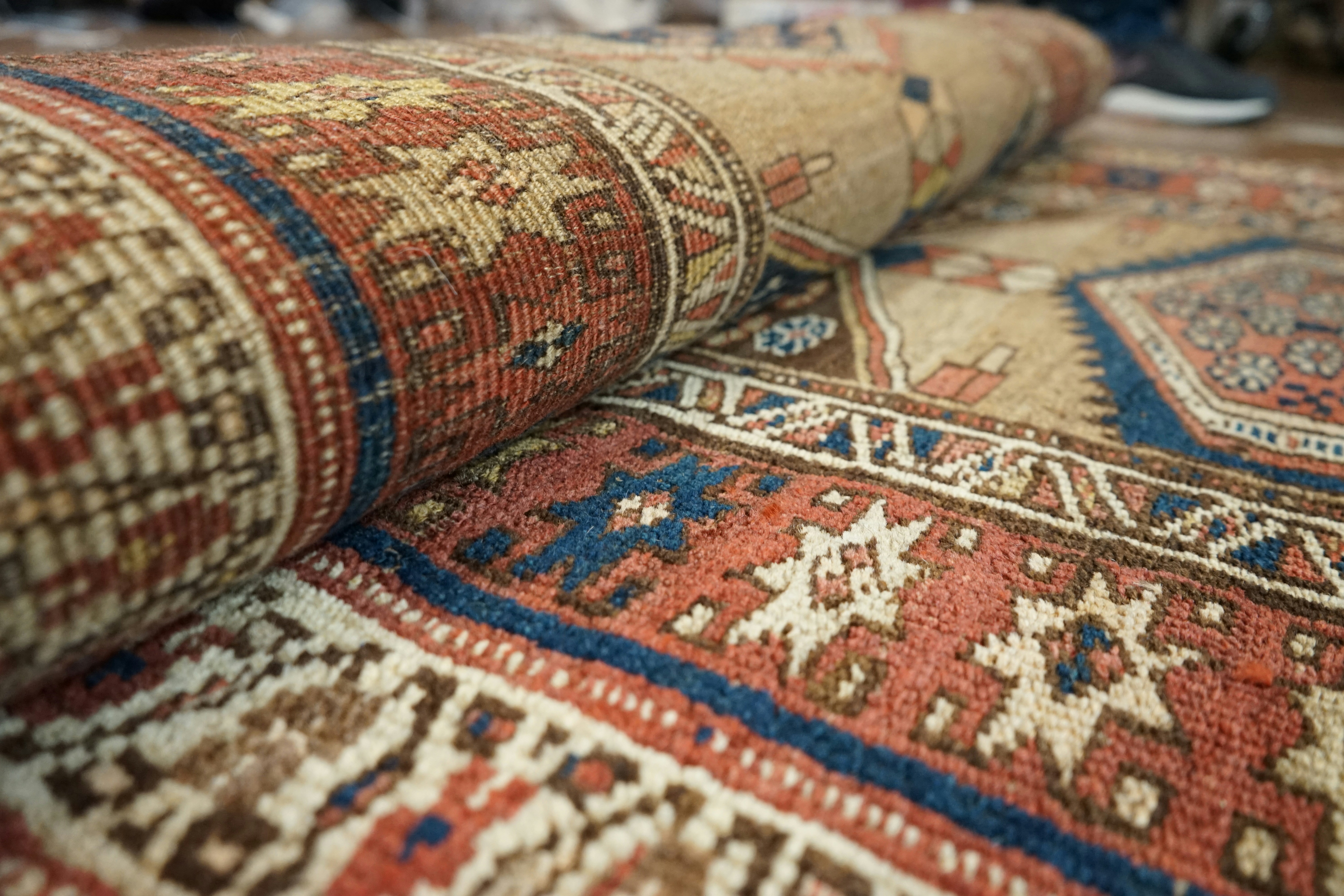
Handmade rugs are crafted from materials, such as wool, silk, cotton, and goat hair, often using a combination of these fibers. Modern rugs commonly feature a cotton base, with cotton threads woven vertically on a loom—traditionally wooden but sometimes made of steel in contemporary weaving centers. These vertical threads, known as warp threads, serve as the foundation for knotting additional fibers, like wool, to create the rug's design.
Global Production
Hand-knotted rugs are produced in countries like Iran, India, Pakistan, China, Afghanistan, Armenia, Azerbaijan, Romania, Turkey, and Tibet. Persian rugs, often labeled "Oriental Rugs," encompass all hand-knotted designs influenced by traditional Persian styles, with similar styles also being produced in China, India, Pakistan, and Romania.
Naming Conventions
Rugs can be named in several ways:
- After the cities or regions of their origin
- Based on the sources of their designs
- After the tribes that produced them
- Using trade names
For instance, the Bakhtiari rug is named after a tribe, the Kazak rug after a region, and the Isfahan rug after a city. An example of a trade name is Serapi Heriz.
Assessing Rug Value
When evaluating a rug for purchase, consider these five factors:
- Aesthetic appeal
- Craftsmanship
- Quality of materials
- Condition
- Size
It may take years of experience to accurately assess rugs at a glance, so don't feel discouraged. A knowledgeable rug dealer can offer valuable insights about rugs and the industry. Our rug evaluation form can help you organize information about potential purchases for easier comparison.
Table: measure the value of a rug
| Item Compared |
Measures or Considerations |
| General Information |
Type of rug? Country of origin? Age? Dimensions(W & L)? Area(W & L) ? Is the sieze desirable? |
| Workmanship |
Flat? Straight? Sheared Evenly? Uniformity of weace? |
| Condition (Look at the face and the back of the rug) |
Border missing? Worn? Stained? Totted? Size reduced? Repaired? Moth Damaged? |
| Material Quality |
Quality of Wool? Type of Dye? Color run? |
| Antiquity Value |
Good appearance? Good workmanship? Mint Condition Good Wool? Natural Dyes? |
| Price | Price/SQFT = Price/ Area? |
| Conclusion | Is the rug a good value for the Money? |
Choosing the Right Rug Size
To select the appropriate rug size and placement, consider your room's dimensions and furniture arrangement. Here are some guidelines for common areas:
Living Room
A rug should anchor the seating area but doesn’t need to cover the entire room. Ensure at least the front legs of your sofa and main chairs are on the rug, leaving a minimum 1-foot border between the rug and walls.
Dining Room
Opt for a rug that extends at least 2 feet beyond each side of the table to accommodate chair movement. Most dining tables require rugs that are at least 8 feet wide. If your table is expandable, choose a rug that fits both when it's closed and extended. For round tables, you can select a rectangular rug or consider a custom-sized square rug—or even a round one for a bolder look.
Bedroom
Depending on the rug's size, bed dimensions, and room layout, place the rug under the front two-thirds of your bed or beneath the entire bed and nightstands. Leave 2 to 3 feet on either side for a comfortable landing space. Alternatively, consider using runners on each side of the bed or a single runner at the foot.