1. What are lab-grown diamonds?
Lab-grown diamonds, sometimes called man-made diamonds, cultured diamonds, or synthetic diamonds, are real diamonds created in a laboratory using two main techniques: high pressure, high temperature (HPHT) and chemical vapor deposition (CVD). These methods replicate the extreme conditions found deep within the Earth, causing carbon atoms to crystallize into a diamond structure.
Key Point: Lab-grown diamonds are chemically, physically, and optically identical to natural diamonds. The only difference is their origin—they are created in a lab, not mined from the Earth.
2. What are natural diamonds?
Natural diamonds are formed over billions of years under high pressure and temperature beneath the Earth's surface. These diamonds are then mined from the ground, a process that can be resource-intensive and environmentally damaging.
Natural diamonds are prized for their rarity and beauty, but their mining can raise ethical and environmental issues. Despite this, they remain a symbol of tradition, especially in engagement rings and family heirlooms.
3. Key Differences Between Synthetic and Natural Diamonds
Both lab-grown and natural diamonds have the same amazing qualities, but there are some factors to consider when deciding which is right for you.
Price:
One of the biggest differences is cost. Lab-grown diamonds are typically 30-50% cheaper than natural diamonds of similar size and quality. Because they are created in a lab, the production process is more controlled and efficient, which reduces overall costs. Lab-grown diamonds are a more affordable option for those who want high-quality diamonds without spending too much.
Environmental Impact:
Mining natural diamonds has a serious impact on the environment, including habitat destruction, water pollution, and a large carbon footprint. In contrast, lab-grown diamonds are considered a more environmentally friendly option because their production involves less land disturbance and energy consumption. However, it is worth noting that the energy used to produce lab-grown diamonds still has an environmental impact - although it is generally less than the impact of mining.
Ethical Considerations:
In recent years, there have been growing concerns about the ethics of diamond mining, especially "blood diamonds," which are diamonds mined from conflict zones and used to fund violence. Lab-grown diamonds do not have these issues, making them an attractive option for ethically conscious buyers who do not want to support the dark side of the diamond trade.
Rarity and Value:
Natural diamonds are extremely rare, and their value often increases due to their scarcity. This makes them a worthwhile long-term investment. While lab-grown diamonds hold their value well, they are not as rare as natural diamonds and may not be as valuable as natural diamonds over time.
Appearance:
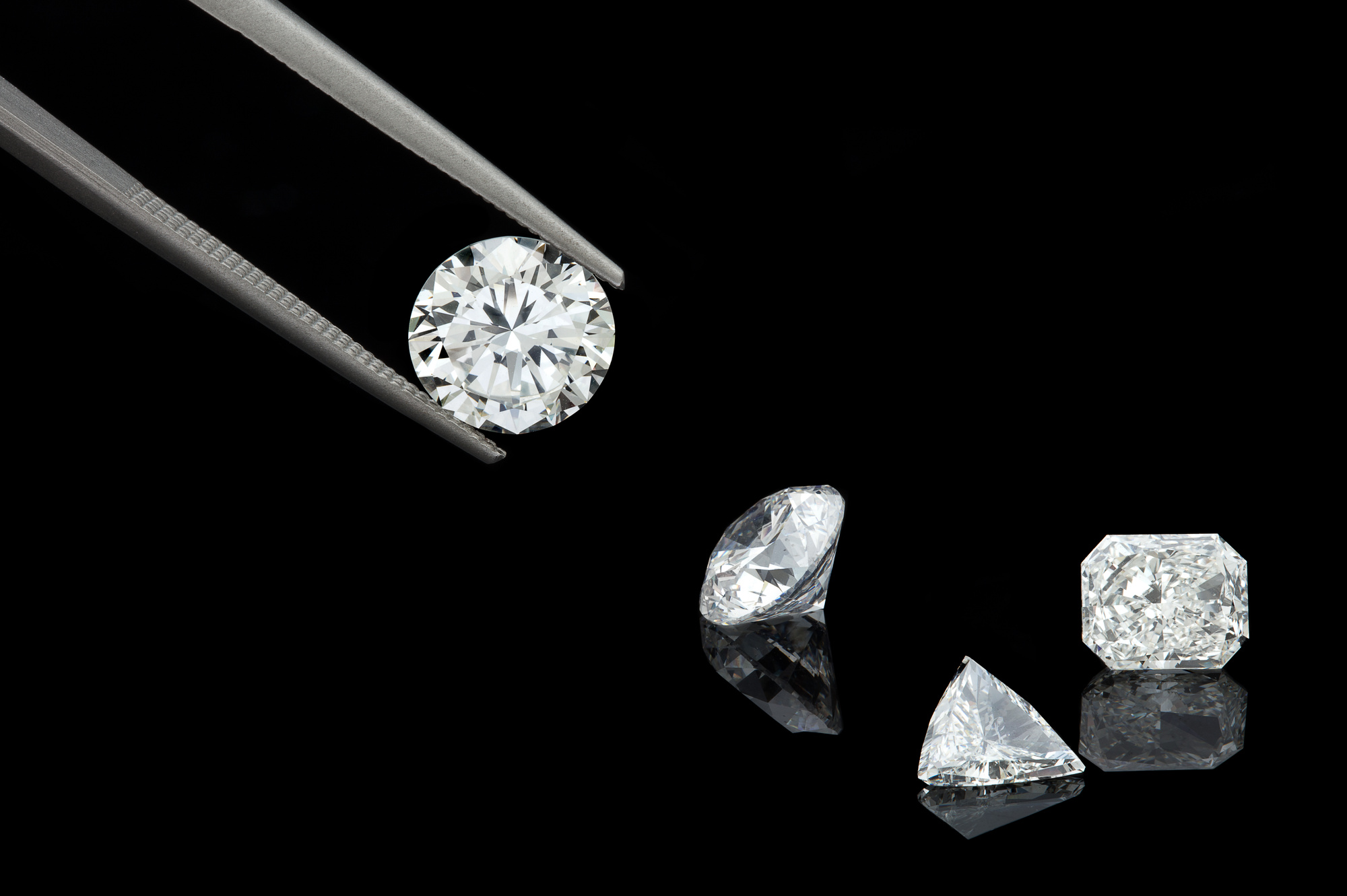
Aesthetically, lab-grown and natural diamonds are virtually indistinguishable to the naked eye. Both types of diamonds have the same brightness, fire, and sparkle. Even experts need advanced tools to detect whether a diamond is lab-grown or natural. Rest assured that if you choose a lab-grown diamond, it will look just as stunning as a natural diamond.
4. How to Choose the Right Diamond for You
Choosing between synthetic and natural diamonds ultimately comes down to your personal preferences, values, and priorities. Consider the following points when making your decision:
Budget: Lab-grown diamonds are a more affordable alternative to natural diamonds, allowing you to get a larger or higher quality diamond for the same price.
Ethics: If ethical sourcing and environmental impact are important to you, lab-grown diamonds offer a sustainable, conflict-free option.
Investment: If you’re buying a diamond as an investment or want a more traditional heirloom, a natural diamond may be a better choice due to its rarity and potential for appreciation.
Aesthetics: Both options are equally beautiful, so the choice ultimately comes down to your personal style and preferences.
5. Conclusion
Both lab-grown and natural diamonds offer unique benefits, and neither is better than the other. Lab-grown diamonds are an excellent choice for those seeking affordable, ethical, and environmentally friendly diamonds, while natural diamonds continue to appeal due to their rarity and traditional significance.
By understanding the differences and considering your preferences (whether it’s cost, sustainability, or investment value), you can make a confident, informed decision. Whether you choose lab-grown or natural diamonds, you’ll be investing in a timeless symbol of beauty and elegance.