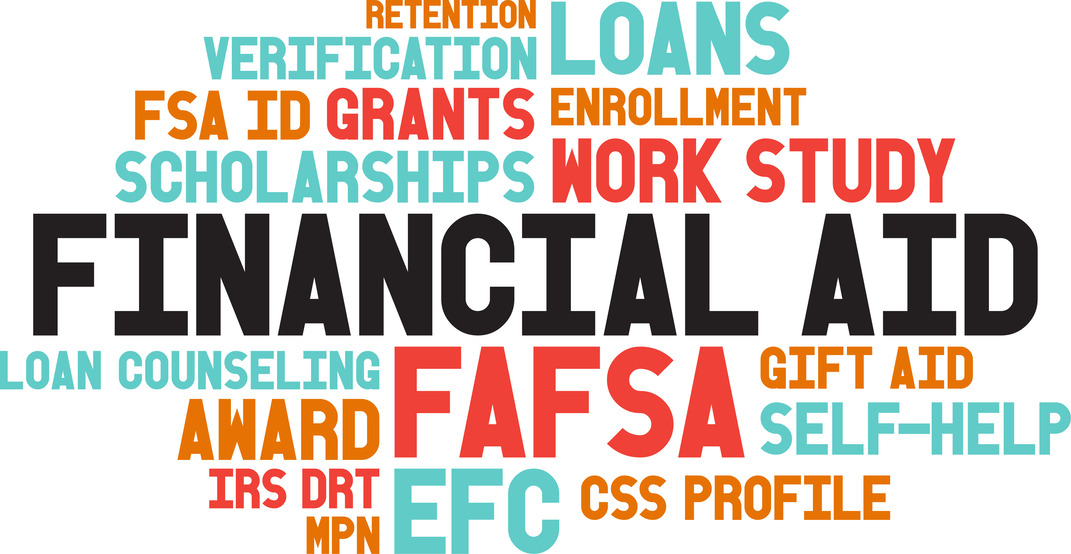
How to Get Financial Aid in the U.S.: A Step-by-Step Guide to Grants, Loans, and Scholarships
Learn how to get financial aid in the U.S.! This step-by-step guide covers FAFSA, grants, loans, and scholarships to help you fund your education or expenses.

Financial aid can be a game-changer for students, families, and individuals facing financial challenges. Whether you’re pursuing higher education, dealing with unexpected expenses, or looking for support during tough times, understanding how to access financial aid is crucial. This guide will walk you through the steps to apply for financial aid, highlight the types of aid available, and provide tips to maximize your chances of approval.

What is Financial Aid?

Financial aid refers to funding that helps individuals pay for education, housing, medical expenses, or other essential needs. It can come in the form of grants, loans, scholarships, or work-study programs. Here’s a quick breakdown:

Type of Aid

Description

Do You Repay?

Grants

Need-based funds that do not require repayment.

No

Scholarships

Merit-based or need-based awards for education.

No

Loans

Borrowed money that must be repaid with interest.

Yes

Work-Study

Part-time jobs for students to earn money while studying.

No


Step-by-Step Guide to Applying for Financial Aid

Step 1: Determine Your Eligibility

Financial aid is often based on financial need, academic merit, or specific criteria (e.g., military service, disability). Check eligibility requirements for each program.

Step 2: Complete the FAFSA (Free Application for Federal Student Aid)

The FAFSA is the gateway to federal financial aid, including grants, loans, and work-study programs.

Step 3: Explore State and Institutional Aid

Many states and colleges offer additional aid programs. Check your state’s financial aid website and your school’s financial aid office for opportunities.

Step 4: Apply for Scholarships

Scholarships are available from schools, private organizations, and nonprofits. Use platforms like:

Step 5: Review and Compare Aid Offers

Once you receive aid offers, compare them carefully. Look at the types of aid, amounts, and repayment terms for loans.

Step 6: Accept and Manage Your Aid

Accept the aid that best meets your needs. Keep track of deadlines and requirements to maintain eligibility.


Types of Financial Aid Programs

Here’s a breakdown of popular financial aid programs in the U.S.:

Program

Eligibility

Maximum Award

Application

Pell Grant

Undergraduate students with financial need

$7,395 (2023-2024)

FAFSA

Federal Student Loans

Students enrolled at least half-time

Varies by year and dependency status

FAFSA

Work-Study

Undergraduate and graduate students with financial need

Varies by school and need

FAFSA

State Grants

Varies by state

Varies by state

State-specific application

Private Scholarships

Varies by organization

Varies by scholarship

Organization-specific application


Tips to Maximize Your Financial Aid

  1. Apply Early: Many programs have limited funds, so early applicants have a better chance.

  2. Be Thorough: Double-check your FAFSA and scholarship applications for accuracy.

  3. Search Widely: Apply for multiple scholarships and grants to increase your chances.

  4. Stay Organized: Keep track of deadlines, documents, and requirements.

  5. Ask for Help: Reach out to your school’s financial aid office or a trusted advisor.


FAQs About Financial Aid

Q: Can I get financial aid if I have bad credit?
A: Yes! Federal student loans do not require a credit check. However, private loans may.

Q: Do I have to repay grants or scholarships?
A: No, grants and scholarships are free money that you do not need to repay.

Q: Can I apply for financial aid if I’m not a U.S. citizen?
A: Some programs are available to eligible non-citizens, such as permanent residents. Check specific eligibility requirements.


Conclusion

Financial aid can open doors to education, stability, and opportunities. By following these steps and exploring all available options, you can secure the support you need to achieve your goals. Start your application today and take control of your financial future!

Trending Now
|
How to Get Financial Aid in the U.S.: A Step-by-Step Guide to Grants, Loans, and Scholarships
Learn how to get financial aid in the U.S.! This step-by-step guide covers FAFSA, grants, loans, and scholarships to help you fund your education or expenses.

Financial aid can be a game-changer for students, families, and individuals facing financial challenges. Whether you’re pursuing higher education, dealing with unexpected expenses, or looking for support during tough times, understanding how to access financial aid is crucial. This guide will walk you through the steps to apply for financial aid, highlight the types of aid available, and provide tips to maximize your chances of approval.

What is Financial Aid?

Financial aid refers to funding that helps individuals pay for education, housing, medical expenses, or other essential needs. It can come in the form of grants, loans, scholarships, or work-study programs. Here’s a quick breakdown:

Type of Aid

Description

Do You Repay?

Grants

Need-based funds that do not require repayment.

No

Scholarships

Merit-based or need-based awards for education.

No

Loans

Borrowed money that must be repaid with interest.

Yes

Work-Study

Part-time jobs for students to earn money while studying.

No


Step-by-Step Guide to Applying for Financial Aid

Step 1: Determine Your Eligibility

Financial aid is often based on financial need, academic merit, or specific criteria (e.g., military service, disability). Check eligibility requirements for each program.

Step 2: Complete the FAFSA (Free Application for Federal Student Aid)

The FAFSA is the gateway to federal financial aid, including grants, loans, and work-study programs.

  • When to Apply: Open October 1st each year. Submit as early as possible.

  • What You Need: Social Security Number, tax returns, bank statements, and other financial documents.

  • Where to Applystudentaid.gov

Step 3: Explore State and Institutional Aid

Many states and colleges offer additional aid programs. Check your state’s financial aid website and your school’s financial aid office for opportunities.

Step 4: Apply for Scholarships

Scholarships are available from schools, private organizations, and nonprofits. Use platforms like:

Step 5: Review and Compare Aid Offers

Once you receive aid offers, compare them carefully. Look at the types of aid, amounts, and repayment terms for loans.

Step 6: Accept and Manage Your Aid

Accept the aid that best meets your needs. Keep track of deadlines and requirements to maintain eligibility.


Types of Financial Aid Programs

Here’s a breakdown of popular financial aid programs in the U.S.:

Program

Eligibility

Maximum Award

Application

Pell Grant

Undergraduate students with financial need

$7,395 (2023-2024)

FAFSA

Federal Student Loans

Students enrolled at least half-time

Varies by year and dependency status

FAFSA

Work-Study

Undergraduate and graduate students with financial need

Varies by school and need

FAFSA

State Grants

Varies by state

Varies by state

State-specific application

Private Scholarships

Varies by organization

Varies by scholarship

Organization-specific application


Tips to Maximize Your Financial Aid

  1. Apply Early: Many programs have limited funds, so early applicants have a better chance.

  2. Be Thorough: Double-check your FAFSA and scholarship applications for accuracy.

  3. Search Widely: Apply for multiple scholarships and grants to increase your chances.

  4. Stay Organized: Keep track of deadlines, documents, and requirements.

  5. Ask for Help: Reach out to your school’s financial aid office or a trusted advisor.


FAQs About Financial Aid

Q: Can I get financial aid if I have bad credit?
A: Yes! Federal student loans do not require a credit check. However, private loans may.

Q: Do I have to repay grants or scholarships?
A: No, grants and scholarships are free money that you do not need to repay.

Q: Can I apply for financial aid if I’m not a U.S. citizen?
A: Some programs are available to eligible non-citizens, such as permanent residents. Check specific eligibility requirements.


Conclusion

Financial aid can open doors to education, stability, and opportunities. By following these steps and exploring all available options, you can secure the support you need to achieve your goals. Start your application today and take control of your financial future!

Trending Now