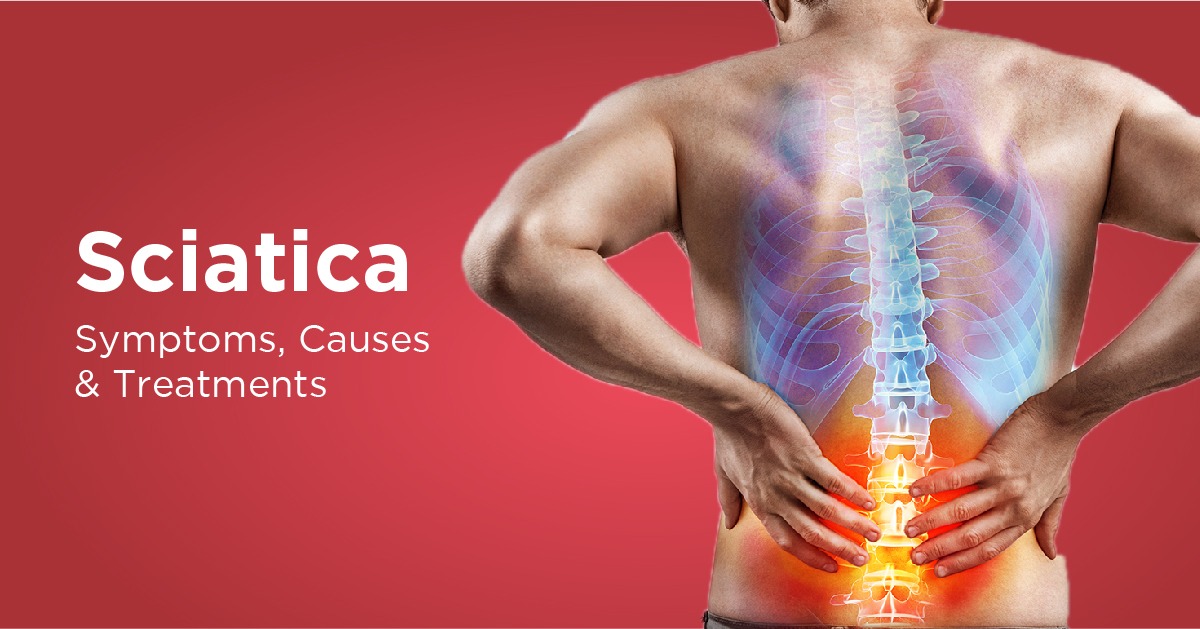
Symptoms of Sciatica
The symptoms of sciatica vary depending on the cause and severity, and they may include the following:
- Radiating Pain: Pain radiates from the lower back to the buttocks, down the back of the thigh, and into the calf or foot, typically on one side.
- Tingling or Numbness: A sensation of pins and needles, burning, or numbness may occur along the nerve pathway.
- Difficulty Walking or Standing: Certain positions, like prolonged sitting, bending, or standing, can exacerbate the pain.
- Muscle Weakness: Severe cases may cause weakness in the leg or foot muscles, potentially leading to mobility issues.
- Intermittent Pain: Pain may come and go but often worsens with physical activity or exertion.
Common Causes of Sciatica
The primary causes of sciatica include:
- Herniated Discs: Compression of the sciatic nerve root by a bulging disc.
- Spinal Stenosis: Narrowing of the spinal canal leading to nerve compression.
- Muscle Spasms: Conditions like piriformis syndrome, where the muscle irritates the sciatic nerve.
- Injury or Trauma: Direct impact affecting the sciatic nerve.
Free Treatment Options
In many countries, including the U.S. and Australia, free or low-cost treatment options are available for sciatica. Here are some effective methods:
-
Community Healthcare Services
Public health systems often offer free consultations and treatment services. Patients can visit local community health centers to consult doctors and receive free advice and treatment. -
Physiotherapy
Government-funded healthcare programs or non-profit organizations provide free physiotherapy sessions. Physiotherapists design stretching and strengthening exercises tailored to alleviate pain. -
Yoga and Stretching Classes
Free community yoga classes or online tutorials can significantly relieve sciatica. Specific stretches targeting the piriformis and lower back are particularly helpful. -
Cold and Heat Therapy
Apply cold packs to reduce inflammation during pain flare-ups, followed by heat packs to relax muscles. This is a simple, cost-effective method. -
Medical Assistance Programs
- In the U.S.: Medicaid and other federal assistance programs offer eligible patients free spinal evaluations, injections, or even surgical support.
- In Australia: Medicare covers essential diagnostic services, including spinal imaging and consultations.
-
Non-Profit Support
Organizations like The Salvation Army or the Red Cross may offer free pain management resources or refer patients to appropriate healthcare services.
Prevention Tips
To reduce the risk of sciatica, consider these daily lifestyle measures:
- Maintain Proper Posture: Keep your back straight while sitting or standing; avoid prolonged sitting or poor posture.
- Strengthen Core Muscles: Regularly exercise to support your back and abdominal muscles.
- Avoid Heavy Lifting: Use proper techniques when handling heavy objects and avoid bending improperly.
- Manage Weight: Maintain a healthy weight to reduce pressure on the spine and lower the risk of sciatica.
Conclusion
Although sciatica can impact quality of life, free medical resources and proper self-care enable many people to manage symptoms effectively and regain mobility. If you or someone you know is suffering from sciatica, reach out to local free healthcare resources for assistance and start on the path to recovery.