5 Fascinating Creatures Thriving in the Savanna
Here are some of the most interesting animals that have adapted to life in the savanna.

Here are some of the most interesting animals that have adapted to life in the savanna.

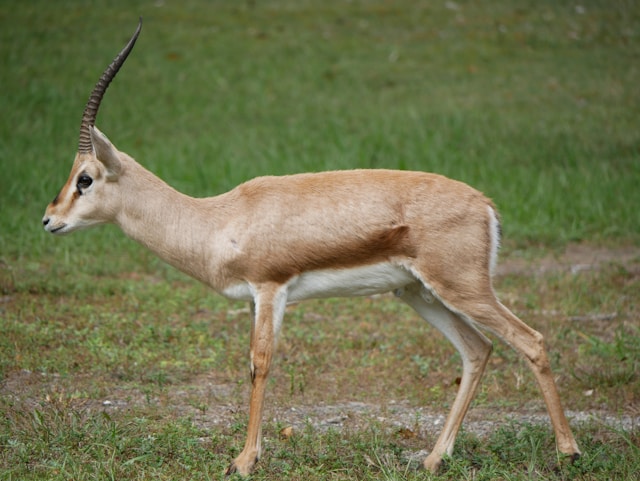
1. Grant's Gazelle

As a type of antelope, Grant’s gazelles are ubiquitous herbivores within the savanna biome. Predominantly feeding on shrubs and herbs, they also indulge in tall grass during dry seasons and, occasionally, fruits. Remarkably, these gazelles can survive long periods—sometimes their entire lives—without drinking water. Their ability to derive sufficient water from their food makes them perfectly suited to the dry savanna environment. Additionally, their large salivary glands aid in digesting their dry diet without the need for a consistent water source.

2. Caracal

Native to Africa, caracals are medium-sized wild cats perfectly adapted to various landscapes including savannas, forests, scrublands, acacia woodlands, marshy lowlands, and semi-deserts. Despite being primarily nocturnal, caracals possess a low upper eyelid that shields their eyes from the sun's harsh glare. Like gazelles, they can go indefinitely without water, a trait advantageous for savanna life. Furthermore, their unique ear tufts assist in survival by blending into tall grasses and pinpointing prey locations accurately.

3. African Pygmy Falcon
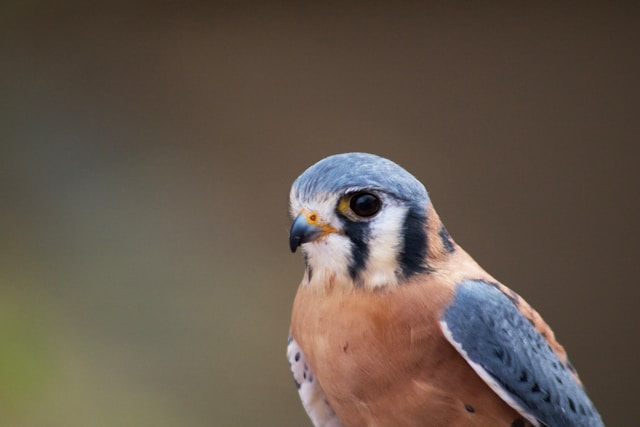
These diminutive hunters are Africa's smallest raptors, reaching a height of just under eight inches. Despite their small size, pygmy falcons exhibit remarkable agility, perching atop high trees to scan and target prey effectively. They also play a beneficial role in the savanna ecosystem by sharing communal nests with other species, notably weaver birds, which reduces predation threats from snakes and rodents. However, in times of food scarcity, pygmy falcons may prey on weaver chicks in communal nests.

4. Cheetah

Among the savanna's iconic inhabitants, cheetahs roam the grasslands and open woodlands of eastern and southern Africa. Their distinctive coloring provides effective camouflage in the grasslands, while their physique is finely tuned for hunting. Capable of sprinting up to 70 mph, cheetahs hold the title of the fastest land animals. Their slightly curved and fully retractable claws enhance grip during high-speed pursuits and facilitate gripping prey after capture.

5. African Savanna Elephant
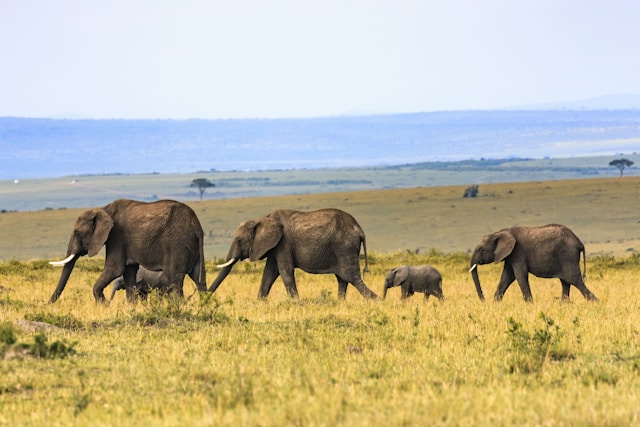
Also referred to as the African bush elephant, this subspecies reigns as the largest land mammal globally. Thriving in savannas where temperatures range between 68 and 86 degrees Fahrenheit, African savanna elephants dissipate excess heat through their large ears. Their versatile trunks serve multiple functions, including siphoning water for drinking and dousing themselves to cool down. With trunk muscles capable of lifting over 400 pounds, these elephants consume approximately 350 pounds of vegetation daily, contributing to savanna maintenance by regulating tree densities for other species.

Trending Now
|
5 Fascinating Creatures Thriving in the Savanna
Here are some of the most interesting animals that have adapted to life in the savanna.

Here are some of the most interesting animals that have adapted to life in the savanna.

1. Grant's Gazelle

As a type of antelope, Grant’s gazelles are ubiquitous herbivores within the savanna biome. Predominantly feeding on shrubs and herbs, they also indulge in tall grass during dry seasons and, occasionally, fruits. Remarkably, these gazelles can survive long periods—sometimes their entire lives—without drinking water. Their ability to derive sufficient water from their food makes them perfectly suited to the dry savanna environment. Additionally, their large salivary glands aid in digesting their dry diet without the need for a consistent water source.

2. Caracal

Native to Africa, caracals are medium-sized wild cats perfectly adapted to various landscapes including savannas, forests, scrublands, acacia woodlands, marshy lowlands, and semi-deserts. Despite being primarily nocturnal, caracals possess a low upper eyelid that shields their eyes from the sun's harsh glare. Like gazelles, they can go indefinitely without water, a trait advantageous for savanna life. Furthermore, their unique ear tufts assist in survival by blending into tall grasses and pinpointing prey locations accurately.

3. African Pygmy Falcon

These diminutive hunters are Africa's smallest raptors, reaching a height of just under eight inches. Despite their small size, pygmy falcons exhibit remarkable agility, perching atop high trees to scan and target prey effectively. They also play a beneficial role in the savanna ecosystem by sharing communal nests with other species, notably weaver birds, which reduces predation threats from snakes and rodents. However, in times of food scarcity, pygmy falcons may prey on weaver chicks in communal nests.

4. Cheetah

Among the savanna's iconic inhabitants, cheetahs roam the grasslands and open woodlands of eastern and southern Africa. Their distinctive coloring provides effective camouflage in the grasslands, while their physique is finely tuned for hunting. Capable of sprinting up to 70 mph, cheetahs hold the title of the fastest land animals. Their slightly curved and fully retractable claws enhance grip during high-speed pursuits and facilitate gripping prey after capture.

5. African Savanna Elephant

Also referred to as the African bush elephant, this subspecies reigns as the largest land mammal globally. Thriving in savannas where temperatures range between 68 and 86 degrees Fahrenheit, African savanna elephants dissipate excess heat through their large ears. Their versatile trunks serve multiple functions, including siphoning water for drinking and dousing themselves to cool down. With trunk muscles capable of lifting over 400 pounds, these elephants consume approximately 350 pounds of vegetation daily, contributing to savanna maintenance by regulating tree densities for other species.

Trending Now