Having these four habits will significantly increase the risk of Alzheimer's disease
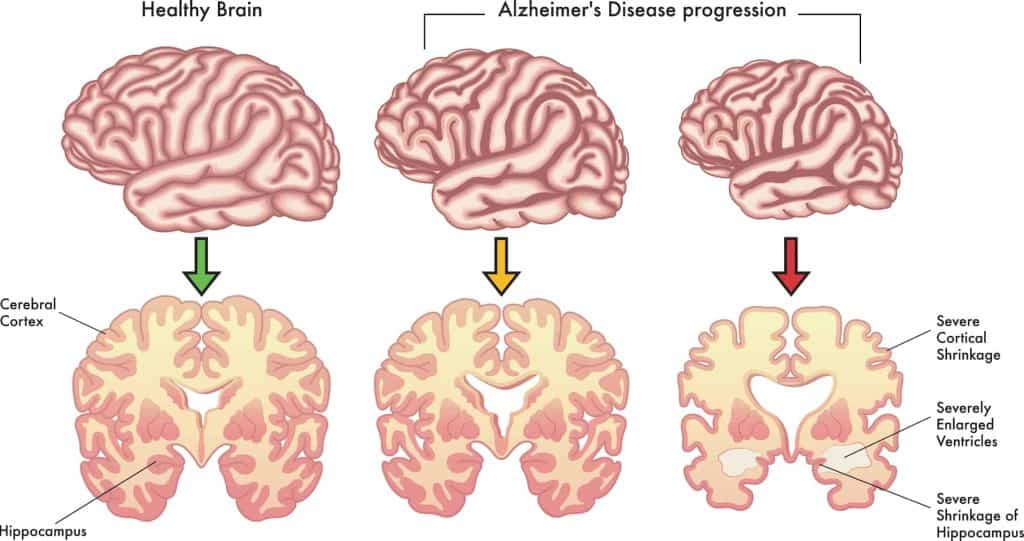
Alzheimer's disease is a progressive neurological disorder that affects memory, thinking, and behavior. It is the most common form of dementia, accounting for 60-80% of dementia cases worldwide. The disease usually occurs in older people, with symptoms usually not showing until their 60s. This article will introduce you to several bad habits that increase your risk of Alzheimer's disease and how to change them.

Symptoms of Alzheimer's disease

Symptoms of Alzheimer's disease can be broadly divided into early and late stages:

Early symptoms:

Memory loss, especially forgetting recent conversations or events.

Difficulty finding the correct words or naming objects.

Repeated questions and misjudgments.

Mood changes, such as anxiety or agitation.

Late symptoms:

Severe memory loss affects daily life.

Confusion of time and place.

Difficulty completing familiar tasks and recognizing loved ones.

Behavioral changes, such as aggression or withdrawal from social situations.

Four habits that increase your risk of Alzheimer's disease

Studies have found that several lifestyle habits can significantly increase your risk of developing Alzheimer's disease. Here are four habits that are particularly worrisome:

01 Sedentary lifestyle: Lack of physical activity is closely related to cognitive decline. Regular exercise increases blood flow to the brain and promotes the growth of new brain cells. Conversely, a sedentary lifestyle can lead to obesity and cardiovascular disease, both of which are risk factors for Alzheimer's. Studies have shown that people who are physically active can reduce their risk of developing dementia by up to 40%.

02 Lack of sleep: Long-term lack of sleep can lead to increased levels of tau protein in the brain, which is related to cognitive decline and Alzheimer's disease. Studies show that adults who consistently sleep less than seven hours a night are at a higher risk of developing dementia later in life.

03 Poor diet: A diet rich in saturated fat and sugar can cause inflammation and oxidative stress in the brain. Consumption of processed foods and excess sugar has been linked to an increased risk of cognitive impairment. One study found that people who ate a diet rich in fruits, vegetables, whole grains, and healthy fats had a significantly lower risk of developing Alzheimer's disease compared to those who ate a poor diet.

04 Excessive drinking: Long-term alcoholism can cause serious damage to brain cells and increase the risk of dementia. Although moderate drinking may have some protective effects against cognitive decline, excessive drinking is harmful. Studies have shown that heavy drinkers have a higher risk of developing Alzheimer's disease compared to those who drink moderately or abstain from alcohol altogether.

Preventive Habits and Foods

To reduce your risk of Alzheimer's disease, it's crucial to adopt healthier habits. Here are some effective strategies:

Exercise regularly: Get at least 150 minutes of moderate-intensity aerobic activity each week. Activities like walking, swimming, or biking not only improve cardiovascular health, but also support brain function.

Get enough sleep: Get 7-9 hours of quality sleep every night. Developing a regular sleep schedule and creating a relaxing environment can help improve sleep quality.

Healthy diet: Follow a dietary pattern such as the Mediterranean-DASH Dietary Intervention for Neurodegeneration Delay (MIND) diet. This diet emphasizes:

Fruits and vegetables: Especially brightly colored vegetables, such as berries and leafy greens.

Whole grains: Such as oats, quinoa, and brown rice.

Healthy fats: These include olive oil and fatty fish, which are rich in omega-3 fatty acids.

Nuts and seeds: They provide essential nutrients that support brain health.

Cognitive engagement: Regularly challenge your brain through puzzles, reading, or learning new skills to increase cognitive flexibility.

Foods that may help prevent Alzheimer's disease

Certain foods have been shown to benefit brain health:

Berries: Rich in antioxidants, they fight oxidative stress.

Fatty fish: Rich in omega-3 fatty acids, which are essential for brain health.

Green leafy vegetables: Such as spinach and kale are rich in vitamins that support cognitive function.

Nuts: Walnuts and almonds, in particular, provide healthy fats and antioxidants.

Whole grains: Help maintain stable blood sugar levels, which is important for brain function.

Examples of effective prevention

A practical example of effective prevention is following the MIND diet. This diet combines elements of the Mediterranean diet and the DASH (Dietary Approaches to Stop Hypertension) diet specifically to promote brain health. Research shows that people who follow the MIND diet can reduce their risk of developing Alzheimer’s disease by up to 53%. The MIND diet emphasizes eating plenty of green leafy vegetables, berries, nuts, whole grains, fish, poultry, olive oil, and moderate alcohol, while limiting red meat and sugary foods.

Conclusion

While genetics play a role in the development of Alzheimer's disease, lifestyle choices can significantly influence your risk. By avoiding negative habits such as sitting too much, poor diet, lack of sleep and substance abuse, and adopting healthier alternatives such as regular exercise and a balanced diet rich in brain-boosting foods, people can take proactive steps to reduce their risk of developing Alzheimer's disease. Risk of dementia. Raising awareness and early intervention are key elements in the fight against this debilitating disease.

Trending Now
|
Having these four habits will significantly increase the risk of Alzheimer's disease
Alzheimer's disease is a progressive neurological disorder that affects memory, thinking, and behavior. It is the most common form of dementia, accounting for 60-80% of dementia cases worldwide. The disease usually occurs in older people, with symptoms usually not showing until their 60s. This article will introduce you to several bad habits that increase your risk of Alzheimer's disease and how to change them.

Symptoms of Alzheimer's disease

Symptoms of Alzheimer's disease can be broadly divided into early and late stages:

Early symptoms:

Memory loss, especially forgetting recent conversations or events.

Difficulty finding the correct words or naming objects.

Repeated questions and misjudgments.

Mood changes, such as anxiety or agitation.

Late symptoms:

Severe memory loss affects daily life.

Confusion of time and place.

Difficulty completing familiar tasks and recognizing loved ones.

Behavioral changes, such as aggression or withdrawal from social situations.

Four habits that increase your risk of Alzheimer's disease

Studies have found that several lifestyle habits can significantly increase your risk of developing Alzheimer's disease. Here are four habits that are particularly worrisome:

01 Sedentary lifestyle: Lack of physical activity is closely related to cognitive decline. Regular exercise increases blood flow to the brain and promotes the growth of new brain cells. Conversely, a sedentary lifestyle can lead to obesity and cardiovascular disease, both of which are risk factors for Alzheimer's. Studies have shown that people who are physically active can reduce their risk of developing dementia by up to 40%.

02 Lack of sleep: Long-term lack of sleep can lead to increased levels of tau protein in the brain, which is related to cognitive decline and Alzheimer's disease. Studies show that adults who consistently sleep less than seven hours a night are at a higher risk of developing dementia later in life.

03 Poor diet: A diet rich in saturated fat and sugar can cause inflammation and oxidative stress in the brain. Consumption of processed foods and excess sugar has been linked to an increased risk of cognitive impairment. One study found that people who ate a diet rich in fruits, vegetables, whole grains, and healthy fats had a significantly lower risk of developing Alzheimer's disease compared to those who ate a poor diet.

04 Excessive drinking: Long-term alcoholism can cause serious damage to brain cells and increase the risk of dementia. Although moderate drinking may have some protective effects against cognitive decline, excessive drinking is harmful. Studies have shown that heavy drinkers have a higher risk of developing Alzheimer's disease compared to those who drink moderately or abstain from alcohol altogether.

Preventive Habits and Foods

To reduce your risk of Alzheimer's disease, it's crucial to adopt healthier habits. Here are some effective strategies:

Exercise regularly: Get at least 150 minutes of moderate-intensity aerobic activity each week. Activities like walking, swimming, or biking not only improve cardiovascular health, but also support brain function.

Get enough sleep: Get 7-9 hours of quality sleep every night. Developing a regular sleep schedule and creating a relaxing environment can help improve sleep quality.

Healthy diet: Follow a dietary pattern such as the Mediterranean-DASH Dietary Intervention for Neurodegeneration Delay (MIND) diet. This diet emphasizes:

Fruits and vegetables: Especially brightly colored vegetables, such as berries and leafy greens.

Whole grains: Such as oats, quinoa, and brown rice.

Healthy fats: These include olive oil and fatty fish, which are rich in omega-3 fatty acids.

Nuts and seeds: They provide essential nutrients that support brain health.

Cognitive engagement: Regularly challenge your brain through puzzles, reading, or learning new skills to increase cognitive flexibility.

Foods that may help prevent Alzheimer's disease

Certain foods have been shown to benefit brain health:

Berries: Rich in antioxidants, they fight oxidative stress.

Fatty fish: Rich in omega-3 fatty acids, which are essential for brain health.

Green leafy vegetables: Such as spinach and kale are rich in vitamins that support cognitive function.

Nuts: Walnuts and almonds, in particular, provide healthy fats and antioxidants.

Whole grains: Help maintain stable blood sugar levels, which is important for brain function.

Examples of effective prevention

A practical example of effective prevention is following the MIND diet. This diet combines elements of the Mediterranean diet and the DASH (Dietary Approaches to Stop Hypertension) diet specifically to promote brain health. Research shows that people who follow the MIND diet can reduce their risk of developing Alzheimer’s disease by up to 53%. The MIND diet emphasizes eating plenty of green leafy vegetables, berries, nuts, whole grains, fish, poultry, olive oil, and moderate alcohol, while limiting red meat and sugary foods.

Conclusion

While genetics play a role in the development of Alzheimer's disease, lifestyle choices can significantly influence your risk. By avoiding negative habits such as sitting too much, poor diet, lack of sleep and substance abuse, and adopting healthier alternatives such as regular exercise and a balanced diet rich in brain-boosting foods, people can take proactive steps to reduce their risk of developing Alzheimer's disease. Risk of dementia. Raising awareness and early intervention are key elements in the fight against this debilitating disease.

Trending Now