The allure of shrimp extends beyond its delectable taste—it's a culinary delight that also boasts health benefits. Let's delve into the reasons behind our love for shrimp and explore how you too can savor these crustaceans while embracing their nutritional goodness.
The Shrimp Chronicles
Shrimp Facts
Approximately 90% of the shrimp consumed in the United States comes from Central and South America, as well as the Asia-Pacific regions.
Shrimp encompasses numerous species, broadly categorized into warm-water and cold-water variants. A general rule prevails: colder waters yield smaller, juicier shrimp.
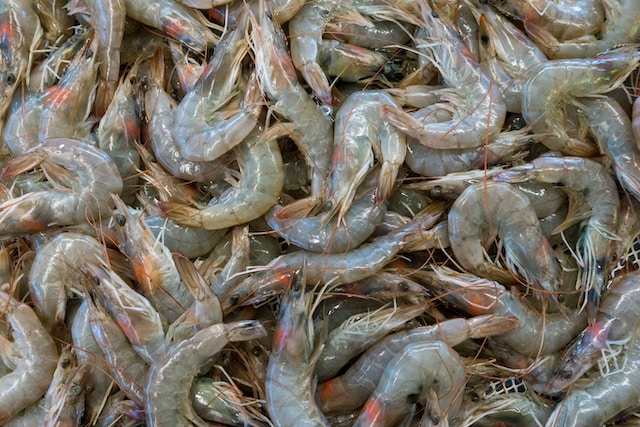
Shrimp flaunts a spectrum of colors—from deep red to pink, grayish-white, yellow, and even dark green. The shells undergo a color transformation when cooked due to heat-induced chemical changes.
Sizing matters: colossal shrimp (10 or less per pound), jumbo (11-15 per pound), extra-large (16-20 per pound), large (21-30 per pound), medium (31-35 per pound), small (36-45 per pound), and miniature (about 100 per pound). Note that these numbers can vary regionally.
One pound of raw shrimp typically yields ½ to ¾ pound of cooked meat.
Availability:
Shrimp is a year-round delight, found in various forms at local markets—shelled or unshelled, cooked or raw, and fresh or frozen.
The Nutritional Symphony
Nutritional Composition:
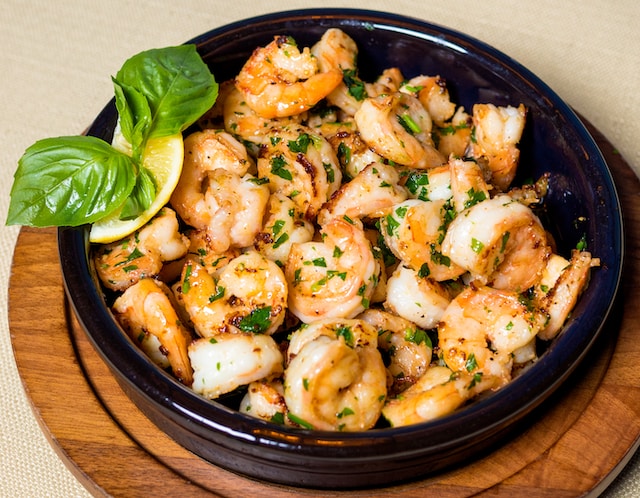
A 3-ounce serving of shrimp offers 83 calories, 1 gram of fat, and a protein punch of 18 grams. It's rich in selenium and provides a good dose of vitamins D and B12. Additionally, shrimp delivers omega-3 fats and the amino acid tryptophan.
Dietary Guidelines
The U.S. Dietary Guidelines recommend two servings of seafood per week; however, the average American falls short, consuming only one serving weekly. The American Heart Association echoes this advice, emphasizing that regular seafood consumption can reduce the risk of heart disease.
Cholesterol Concerns:
While shrimp contains cholesterol, studies emphasize that saturated fat, not cholesterol, plays a more significant role in raising bad cholesterol levels. A 3-ounce serving of shrimp covers about 40% of the daily recommended maximum of cholesterol but contains zero saturated fat. Moreover, shrimp boasts low calorie content per ounce (approximately 28), making it one of the leanest protein sources.
Culinary Symphony: Charcoal Grilled Shrimp Recipe
Ingredients:
2 pounds large shrimp in the shell
1/3 cup safflower oil
1/2 cup fresh lime juice
3 tablespoons dry white wine or vermouth
1 tablespoon minced shallots or green onions (white part only)
1 clove garlic, minced
1 teaspoon salt
1 1/2 teaspoons minced fresh dill
Several dashes Tabasco sauce
Instructions:
Place shrimp in a shallow ceramic or glass baking dish.
Combine remaining ingredients to create a marinade and pour it over the shrimp.
Cover and chill for several hours or overnight.
Drain shrimp, reserving the marinade.
Thread shrimp on skewers or place in a wire grill basket.
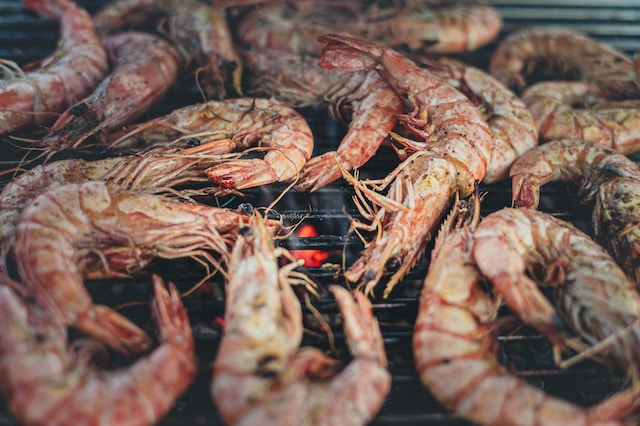
Grill over hot coals, turning and brushing with reserved marinade, until pink and cooked through (approximately 8-10 minutes).
Serve with wooden picks for a delightful culinary experience.
Unleash your culinary prowess with this charcoal grilled shrimp recipe, savoring the blend of flavors and health benefits that make shrimp a cherished ingredient.