Understanding High Cholesterol Treatment
Treatment for high cholesterol often involves lifestyle changes and sometimes medication. Key strategies include:
1. Dietary changes: It is crucial to adopt a heart-healthy diet. This includes reducing saturated fats, eliminating trans fats, and increasing the intake of fiber-rich foods.
2. Regular exercise: Physical activity helps raise high-density lipoprotein (HDL) cholesterol (the "good" cholesterol) and lower low-density lipoprotein (LDL) cholesterol (the "bad" cholesterol).
3. Medication: For some people, lifestyle changes alone may not be enough. Doctors may prescribe statins and other medications to help lower cholesterol levels.
4. Weight management: Maintaining a healthy weight can help control cholesterol levels.
Recommended foods to lower cholesterol
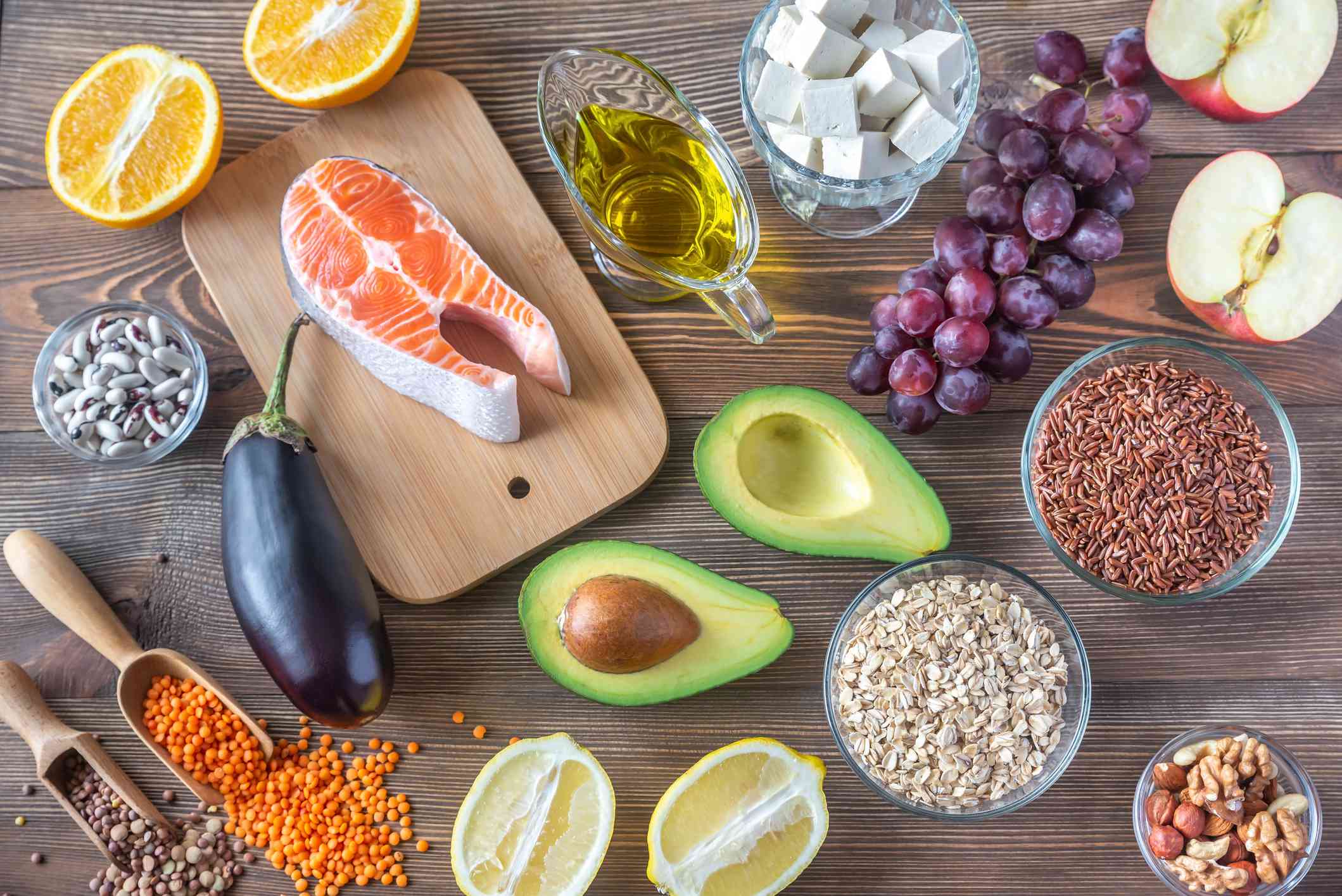
Including specific foods in your diet can help effectively manage and lower cholesterol levels. Here are some recommended foods:
1. Oats and whole grains
Benefits: Oats are rich in soluble fiber, which binds to LDL cholesterol in the digestive system and helps lower LDL cholesterol.
Examples: oatmeal, whole-wheat bread, barley.
2. Fatty fish
Benefits: Fish like salmon, mackerel, and sardines are rich in omega-3 fatty acids, which can lower triglycerides and improve heart health.
Recommendation: Eat at least twice a week.
3. Nuts
Benefits: Almonds, walnuts, and pistachios contain healthy fats and fiber, which can help lower LDL cholesterol.
Amount to eat: A small handful a day is enough.
4. Fruits and vegetables
Benefits: Rich in antioxidants and soluble fiber; helps lower cholesterol levels.
Examples: apples, berries, oranges, carrots, and leafy greens.
5. Beans
Benefits: Beans, lentils, and chickpeas are excellent sources of soluble fiber, which can help lower LDL cholesterol.
How to use: Add it to soups, salads, or as a side dish.
6. Avocados
Benefits: Rich in monounsaturated fats and fiber; avocados can help raise HDL cholesterol while lowering LDL cholesterol.
Serving Suggestions: Use on salads or spread on whole-wheat toast.
7. Olive Oil
Benefits: Contains healthy fats that can improve heart health; can be used as a substitute for butter or margarine.
Recommendations: Extra virgin olive oil is the best choice.
8. Dark Chocolate
Benefits: Dark chocolate with at least 70% cocoa contains flavonoids that can improve heart health.
Serving Size: Enjoy in moderation.
Foods to Avoid
To effectively manage high cholesterol levels, it is important to avoid certain foods:
1. Saturated Fats
Found in fatty meats, full-fat dairy products, and certain oils (coconut and palm oil).
2. Trans Fats
Often found in baked goods and processed foods such as margarine; these should be avoided completely.
3. High-Sugar Foods
Snacks and drinks that contain sugar can lead to weight gain and elevated triglycerides.
4. Processed Foods
Many processed foods contain high amounts of unhealthy fats and sugars; focus primarily on whole foods.
Real-life diet examples
1. 50-year-old male case study
A 50-year-old male with high cholesterol adopted a Mediterranean diet after consulting a dietitian. He increased whole grains (oatmeal for breakfast), fatty fish (salmon twice a week), nuts (a handful of almonds a day), fruit (berries for snacks), and olive oil (for cooking). After six months, his LDL cholesterol dropped significantly, leading to improved cardiovascular health markers during follow-up.
2. 45-year-old female case study
A 45-year-old female diagnosed with high cholesterol changed her diet by focusing on plant-based foods. She increased her intake of beans (adding beans to salads), fruit (eating apples as snacks), vegetables (steamed broccoli), and healthy fats (avocado on toast). After following this plan for three months and exercising regularly, she reported weight loss and lower cholesterol levels during a physical exam.
Recommended products
1. Oatmeal
A great source of soluble fiber.
2. Omega-3 supplements
If you don’t eat enough fatty fish
3. Nut trail mix
Healthy snacks that are easy to incorporate into your diet.
4. Plant protein powders
Make smoothies or use as meal replacements
5. Heart-healthy cookbooks
Cholesterol-lowering recipes
Conclusion
Managing high cholesterol requires significant lifestyle changes, including adopting a heart-healthy diet high in fruits, vegetables, whole grains, healthy fats, and lean proteins, while avoiding unhealthy fats and sugars. By making these dietary adjustments along with regular physical activity and weight management strategies, people can effectively lower their cholesterol levels and improve their overall cardiovascular health.
Always consult a healthcare provider or registered dietitian before making major dietary changes or if you have specific concerns about your condition. By prioritizing these dietary strategies and considering appropriate supplements when necessary, people with high cholesterol can take proactive steps toward better health management.