Symbolic Significance of the Lotus
Water lotuses, with their captivating fragrance and exotic foliage, gracefully steal the spotlight in any pond. Beyond their aesthetic allure, these majestic flowers boast a profound history, carrying rich meanings and symbolism rooted in the beliefs of ancient Egyptians, Buddhists, and Hindus.

Water lotuses, with their captivating fragrance and exotic foliage, gracefully steal the spotlight in any pond. Beyond their aesthetic allure, these majestic flowers boast a profound history, carrying rich meanings and symbolism rooted in the beliefs of ancient Egyptians, Buddhists, and Hindus.

The lotus, belonging to the Nelumbo genus, is more than a visually stunning plant—it is entwined with notions of purity, rebirth, and divinity. A remarkable aspect of the lotus is its journey from the murky depths to blooming beauty, symbolizing emergence from darkness into renewal. Despite its growth in mud, the lotus consistently unfolds its pristine blossoms each day, making it a powerful metaphor for resilience and purity.

The symbolism of the lotus varies across different cultures. In Buddhism, the lotus is emblematic of purity, spiritual awakening, and faithfulness. Its ability to rise from murky waters each morning, untouched and immaculate, mirrors the concept of purity in speech, body, and mind. The lotus breaking the surface daily signifies desire and is associated with the pursuit of spiritual enlightenment. Buddhists draw parallels between a person's life journey and that of the lotus, from the seed stage through spiritual awakening to full blossoming, symbolizing nirvana.

The lotus comes in various colors, each carrying specific meanings in Buddhism
Blue lotus represents the victory of the spirit over wisdom, intelligence, and knowledge.
White lotus symbolizes Bodhi, mental purity, and spiritual perfection, considered the womb of the world.
Purple lotus, associated with esoteric sects, reflects the noble eightfold path, a key teaching of Buddhism leading to self-awakening.
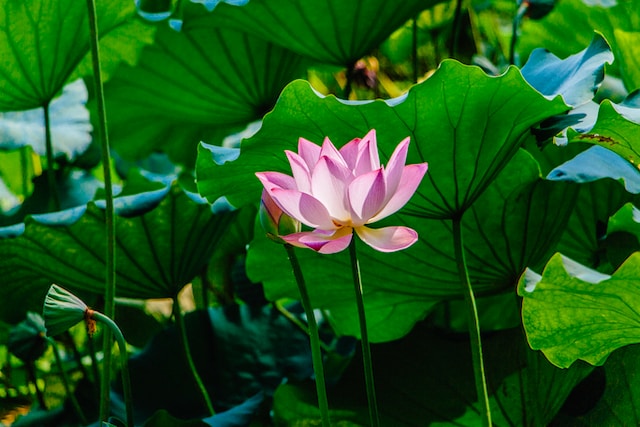
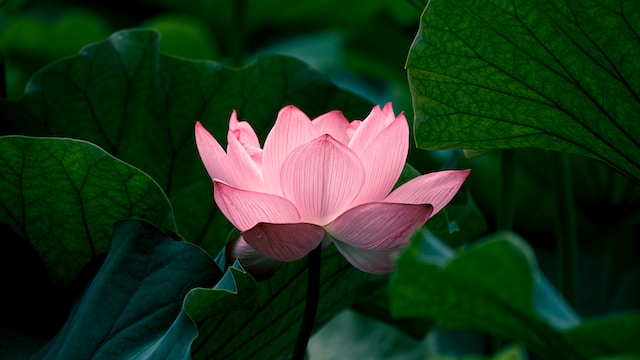
Pink lotus is considered the supreme lotus, representing the true lotus of Buddha.
Red lotus is linked to the heart, symbolizing love and compassion.
In Hinduism, the lotus holds diverse symbolism, including beauty, fertility, prosperity, spirituality, and eternity. The white lotus is most common, while the pink lotus is deemed the most divine and reserved for those of the highest standing. Many Hindu deities, such as the goddess of prosperity, Laxmi, are depicted with connections to the lotus. Brahma, the god of creation, is often portrayed emerging from a lotus originating from the naval of Lord Vishnu. The lotus represents wisdom and spiritual enlightenment, portraying individuals who carry out tasks with detachment from rewards, aligning with Buddhist philosophy.

The lotus, whether in full bloom or as an unopened bud, symbolizes human traits. The unopened bud signifies a folded soul capable of unfolding to embrace divine truth or spiritual awakening.

Overall, the lotus embodies positivity, representing goodness and spiritual significance. Incorporating lotuses into your pond not only enhances its exotic appeal but also attracts purity, prosperity, spirituality, and beauty to your water garden—an ideal addition come spring!

Trending Now
|
Symbolic Significance of the Lotus
Water lotuses, with their captivating fragrance and exotic foliage, gracefully steal the spotlight in any pond. Beyond their aesthetic allure, these majestic flowers boast a profound history, carrying rich meanings and symbolism rooted in the beliefs of ancient Egyptians, Buddhists, and Hindus.

Water lotuses, with their captivating fragrance and exotic foliage, gracefully steal the spotlight in any pond. Beyond their aesthetic allure, these majestic flowers boast a profound history, carrying rich meanings and symbolism rooted in the beliefs of ancient Egyptians, Buddhists, and Hindus.

The lotus, belonging to the Nelumbo genus, is more than a visually stunning plant—it is entwined with notions of purity, rebirth, and divinity. A remarkable aspect of the lotus is its journey from the murky depths to blooming beauty, symbolizing emergence from darkness into renewal. Despite its growth in mud, the lotus consistently unfolds its pristine blossoms each day, making it a powerful metaphor for resilience and purity.

The symbolism of the lotus varies across different cultures. In Buddhism, the lotus is emblematic of purity, spiritual awakening, and faithfulness. Its ability to rise from murky waters each morning, untouched and immaculate, mirrors the concept of purity in speech, body, and mind. The lotus breaking the surface daily signifies desire and is associated with the pursuit of spiritual enlightenment. Buddhists draw parallels between a person's life journey and that of the lotus, from the seed stage through spiritual awakening to full blossoming, symbolizing nirvana.

The lotus comes in various colors, each carrying specific meanings in Buddhism

Blue lotus represents the victory of the spirit over wisdom, intelligence, and knowledge.
White lotus symbolizes Bodhi, mental purity, and spiritual perfection, considered the womb of the world.
Purple lotus, associated with esoteric sects, reflects the noble eightfold path, a key teaching of Buddhism leading to self-awakening.
Pink lotus is considered the supreme lotus, representing the true lotus of Buddha.
Red lotus is linked to the heart, symbolizing love and compassion.
In Hinduism, the lotus holds diverse symbolism, including beauty, fertility, prosperity, spirituality, and eternity. The white lotus is most common, while the pink lotus is deemed the most divine and reserved for those of the highest standing. Many Hindu deities, such as the goddess of prosperity, Laxmi, are depicted with connections to the lotus. Brahma, the god of creation, is often portrayed emerging from a lotus originating from the naval of Lord Vishnu. The lotus represents wisdom and spiritual enlightenment, portraying individuals who carry out tasks with detachment from rewards, aligning with Buddhist philosophy.

The lotus, whether in full bloom or as an unopened bud, symbolizes human traits. The unopened bud signifies a folded soul capable of unfolding to embrace divine truth or spiritual awakening.

Overall, the lotus embodies positivity, representing goodness and spiritual significance. Incorporating lotuses into your pond not only enhances its exotic appeal but also attracts purity, prosperity, spirituality, and beauty to your water garden—an ideal addition come spring!

Trending Now