Eat Well, Live Well: A Comprehensive Guide to Healthy Eating and Nutrition
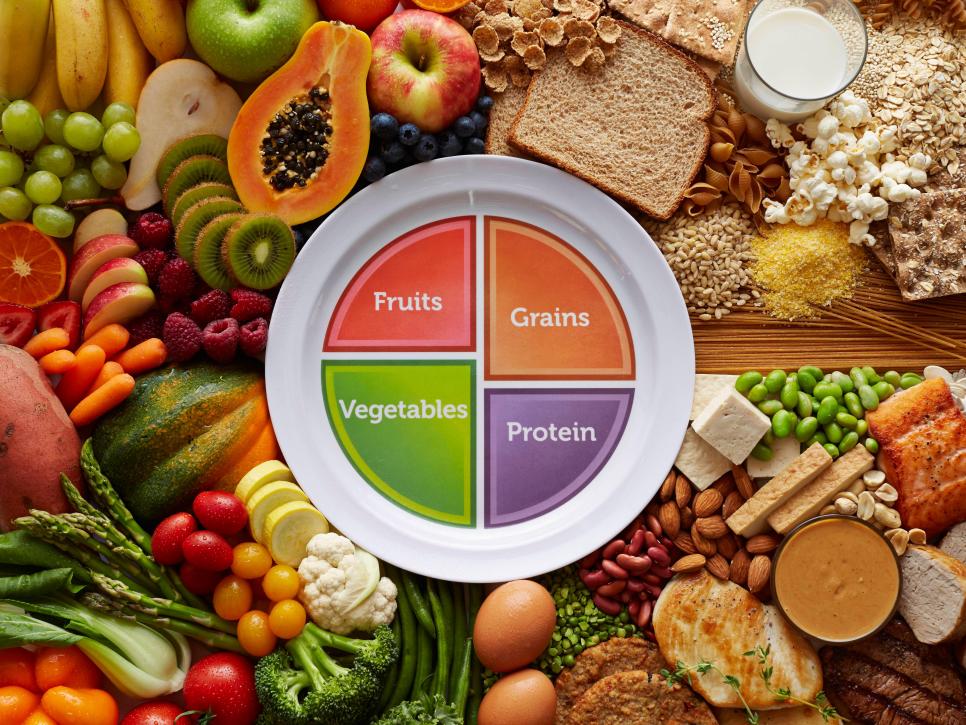
A healthy diet and nutrition are fundamental to maintaining overall health and preventing chronic disease. By choosing nutrient-dense foods, individuals can improve their physical health, mental clarity, and energy levels. This article explores six different dietary approaches, each of which has unique benefits and caters to various nutritional needs and lifestyle preferences.

1 Plant-Based Diet

328 votes

Plant-based diets focus on eating foods that come primarily from plants, including vegetables, fruits, nuts, seeds, oils, whole grains, beans, and legumes. This diet minimizes or eliminates animal products, emphasizing whole, unprocessed plant foods. Advocates of plant-based diets often cite health benefits, such as a reduced risk of heart disease, high blood pressure, diabetes, and certain cancers. In addition, plant-based diets can aid in weight management, improve digestion, and boost energy levels. Ethical and environmental factors also play an important role, as plant-based diets generally have a lower carbon footprint and avoid animal welfare issues. Transitioning to a plant-based diet requires conscious planning to ensure adequate access to all essential nutrients, such as protein, iron, calcium, and vitamin B12. Overall, when balanced and varied, a plant-based diet can be a sustainable and healthy choice.

328

Do you agree?

2 Mediterranean Diet

271 votes

The Mediterranean diet is inspired by the traditional eating patterns of countries bordering the Mediterranean Sea, such as Greece, Italy, and Spain. It highlights the consumption of fruits, vegetables, whole grains, nuts, seeds, and healthy fats, especially olive oil. It includes moderate amounts of fish, poultry, dairy, and red wine, while red meat and sweets are limited. This diet is known for its heart-healthy benefits, attributed to its high levels of monounsaturated fats, antioxidants, and fiber. Research shows that the Mediterranean diet can reduce the risk of cardiovascular disease, improve cholesterol levels, and support healthy weight management. It can also promote brain health and may help prevent cognitive decline and Alzheimer's disease. The Mediterranean diet is more of a lifestyle than a strict dietary regimen, encouraging regular physical activity and social eating. Its diverse and delicious foods make it a popular and sustainable way of eating.

271

Do you agree?

3 DASH diet

253 votes

The Dietary Approaches to Stop Hypertension (DASH) diet is designed to combat high blood pressure and promote cardiovascular health. It features fruits, vegetables, whole grains, lean proteins, and low-fat dairy products, while limiting the intake of salt, red meat, and added sugars. The DASH diet is rich in potassium, magnesium, and calcium, which are essential for blood pressure regulation. Studies have shown that the DASH diet can effectively lower blood pressure, reduce LDL cholesterol levels, and possibly protect against the risk of heart disease and stroke. Additionally, it supports weight management and overall health by encouraging balanced, nutrient-dense meals. The diet's flexibility and emphasis on whole foods make it easy to follow and adapt to personal preferences and dietary needs. Despite the benefits, individuals may find it challenging to reduce sodium intake and avoid processed foods. However, the DASH diet is widely considered one of the healthiest eating plans.

253

Do you agree?

4 Ketogenic diet

252 votes

The ketogenic diet, or keto diet, is a low-carbohydrate, high-fat diet designed to induce a state of ketosis in the body, in which fat is used as the primary energy source instead of carbohydrates. The diet significantly reduces carbohydrate intake, typically to less than 50 grams per day, and increases fat intake to around 70-80% of total daily calories, while consuming protein in moderation. The keto diet has gained popularity for its potential to promote rapid weight loss, improve insulin sensitivity, and manage certain health conditions, such as epilepsy, type 2 diabetes, and metabolic syndrome. However, it requires careful planning to ensure nutritional adequacy and avoid potential side effects, such as nutrient deficiencies, electrolyte imbalances, and gastrointestinal issues. The restrictive nature of this diet can also pose a challenge to long-term adherence. Despite these considerations, many people find the keto diet effective for achieving their health and weight goals.

252

Do you agree?

5 Paleo Diet

184 votes

The Paleo diet, also known as the Caveman diet, is based on the eating habits of our Paleolithic ancestors. It emphasizes whole, unprocessed foods such as lean meats, fish, fruits, vegetables, nuts, and seeds, but excludes dairy, grains, legumes, and processed foods. Paleo diet argues that modern diets do not match our genetic makeup, leading to chronic disease and health problems. By returning to a more ancient way of eating, it can improve health. Proponents claim that its benefits include weight loss, reduced inflammation, improved digestion, and increased energy levels. The diet also focuses on high protein intake, healthy fats, and low-glycemic index foods, which can help regulate blood sugar levels and support muscle growth. Critics of the Paleo diet point to the lack of long-term research and the exclusion of entire food groups, which can lead to nutrient deficiencies. Despite this, many people find the Paleo diet effective for their health and fitness goals.

184

Do you agree?

6 Intermittent Fasting

183 votes

Intermittent fasting (IF) is an eating pattern that cycles between eating and fasting. Unlike traditional diets that focus on what to eat, IF focuses on when to eat. Common approaches include the 16/8 method (fasting for 16 hours and eating within an 8-hour window), the 5:2 diet (eating normally for five days and restricting calories for two non-consecutive days), and the no-eating method (fasting for 24 hours once or twice a week). Intermittent fasting can help weight loss, improve metabolic health, and extend lifespan by optimizing cell repair processes and hormone levels. Studies have shown that IF can enhance insulin sensitivity, reduce inflammation, and improve cardiovascular health. It may also provide neuroprotective benefits and support brain health. However, it may not be suitable for everyone, especially those with certain medical conditions or who are pregnant. Adoption of intermittent fasting should be done gradually under the guidance of a medical professional to ensure safety and effectiveness.

Trending Now
|
Eat Well, Live Well: A Comprehensive Guide to Healthy Eating and Nutrition
A healthy diet and nutrition are fundamental to maintaining overall health and preventing chronic disease. By choosing nutrient-dense foods, individuals can improve their physical health, mental clarity, and energy levels. This article explores six different dietary approaches, each of which has unique benefits and caters to various nutritional needs and lifestyle preferences.

1 Plant-Based Diet

328 votes

Plant-based diets focus on eating foods that come primarily from plants, including vegetables, fruits, nuts, seeds, oils, whole grains, beans, and legumes. This diet minimizes or eliminates animal products, emphasizing whole, unprocessed plant foods. Advocates of plant-based diets often cite health benefits, such as a reduced risk of heart disease, high blood pressure, diabetes, and certain cancers. In addition, plant-based diets can aid in weight management, improve digestion, and boost energy levels. Ethical and environmental factors also play an important role, as plant-based diets generally have a lower carbon footprint and avoid animal welfare issues. Transitioning to a plant-based diet requires conscious planning to ensure adequate access to all essential nutrients, such as protein, iron, calcium, and vitamin B12. Overall, when balanced and varied, a plant-based diet can be a sustainable and healthy choice.

328

Do you agree?

2 Mediterranean Diet

271 votes

The Mediterranean diet is inspired by the traditional eating patterns of countries bordering the Mediterranean Sea, such as Greece, Italy, and Spain. It highlights the consumption of fruits, vegetables, whole grains, nuts, seeds, and healthy fats, especially olive oil. It includes moderate amounts of fish, poultry, dairy, and red wine, while red meat and sweets are limited. This diet is known for its heart-healthy benefits, attributed to its high levels of monounsaturated fats, antioxidants, and fiber. Research shows that the Mediterranean diet can reduce the risk of cardiovascular disease, improve cholesterol levels, and support healthy weight management. It can also promote brain health and may help prevent cognitive decline and Alzheimer's disease. The Mediterranean diet is more of a lifestyle than a strict dietary regimen, encouraging regular physical activity and social eating. Its diverse and delicious foods make it a popular and sustainable way of eating.

271

Do you agree?

3 DASH diet

253 votes

The Dietary Approaches to Stop Hypertension (DASH) diet is designed to combat high blood pressure and promote cardiovascular health. It features fruits, vegetables, whole grains, lean proteins, and low-fat dairy products, while limiting the intake of salt, red meat, and added sugars. The DASH diet is rich in potassium, magnesium, and calcium, which are essential for blood pressure regulation. Studies have shown that the DASH diet can effectively lower blood pressure, reduce LDL cholesterol levels, and possibly protect against the risk of heart disease and stroke. Additionally, it supports weight management and overall health by encouraging balanced, nutrient-dense meals. The diet's flexibility and emphasis on whole foods make it easy to follow and adapt to personal preferences and dietary needs. Despite the benefits, individuals may find it challenging to reduce sodium intake and avoid processed foods. However, the DASH diet is widely considered one of the healthiest eating plans.

253

Do you agree?

4 Ketogenic diet

252 votes

The ketogenic diet, or keto diet, is a low-carbohydrate, high-fat diet designed to induce a state of ketosis in the body, in which fat is used as the primary energy source instead of carbohydrates. The diet significantly reduces carbohydrate intake, typically to less than 50 grams per day, and increases fat intake to around 70-80% of total daily calories, while consuming protein in moderation. The keto diet has gained popularity for its potential to promote rapid weight loss, improve insulin sensitivity, and manage certain health conditions, such as epilepsy, type 2 diabetes, and metabolic syndrome. However, it requires careful planning to ensure nutritional adequacy and avoid potential side effects, such as nutrient deficiencies, electrolyte imbalances, and gastrointestinal issues. The restrictive nature of this diet can also pose a challenge to long-term adherence. Despite these considerations, many people find the keto diet effective for achieving their health and weight goals.

252

Do you agree?

5 Paleo Diet

184 votes

The Paleo diet, also known as the Caveman diet, is based on the eating habits of our Paleolithic ancestors. It emphasizes whole, unprocessed foods such as lean meats, fish, fruits, vegetables, nuts, and seeds, but excludes dairy, grains, legumes, and processed foods. Paleo diet argues that modern diets do not match our genetic makeup, leading to chronic disease and health problems. By returning to a more ancient way of eating, it can improve health. Proponents claim that its benefits include weight loss, reduced inflammation, improved digestion, and increased energy levels. The diet also focuses on high protein intake, healthy fats, and low-glycemic index foods, which can help regulate blood sugar levels and support muscle growth. Critics of the Paleo diet point to the lack of long-term research and the exclusion of entire food groups, which can lead to nutrient deficiencies. Despite this, many people find the Paleo diet effective for their health and fitness goals.

184

Do you agree?

6 Intermittent Fasting

183 votes

Intermittent fasting (IF) is an eating pattern that cycles between eating and fasting. Unlike traditional diets that focus on what to eat, IF focuses on when to eat. Common approaches include the 16/8 method (fasting for 16 hours and eating within an 8-hour window), the 5:2 diet (eating normally for five days and restricting calories for two non-consecutive days), and the no-eating method (fasting for 24 hours once or twice a week). Intermittent fasting can help weight loss, improve metabolic health, and extend lifespan by optimizing cell repair processes and hormone levels. Studies have shown that IF can enhance insulin sensitivity, reduce inflammation, and improve cardiovascular health. It may also provide neuroprotective benefits and support brain health. However, it may not be suitable for everyone, especially those with certain medical conditions or who are pregnant. Adoption of intermittent fasting should be done gradually under the guidance of a medical professional to ensure safety and effectiveness.

Trending Now