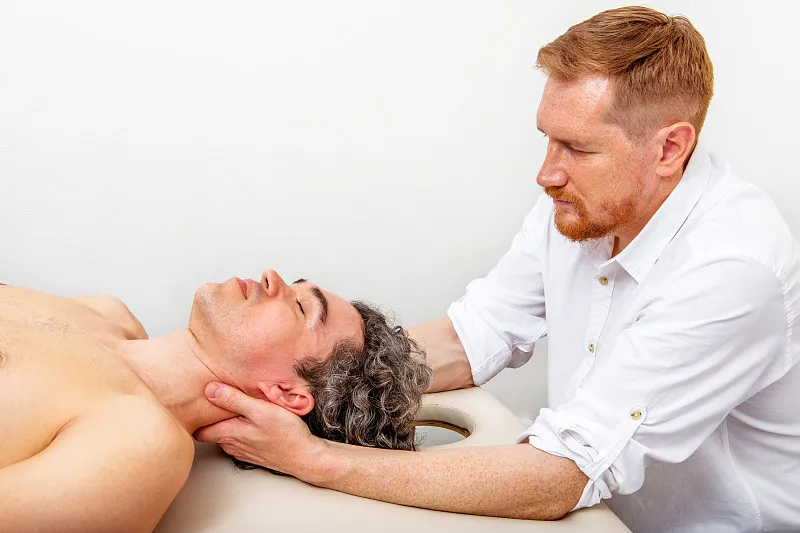
How Massage Relieves Migraines
The exact cause of migraines is still not fully understood, but they are thought to be linked to changes in brain activity, blood vessel dilation, and various physiological and psychological factors. Research has shown that massage therapy can effectively address several of these factors and help relieve the pain associated with migraines in the following ways:
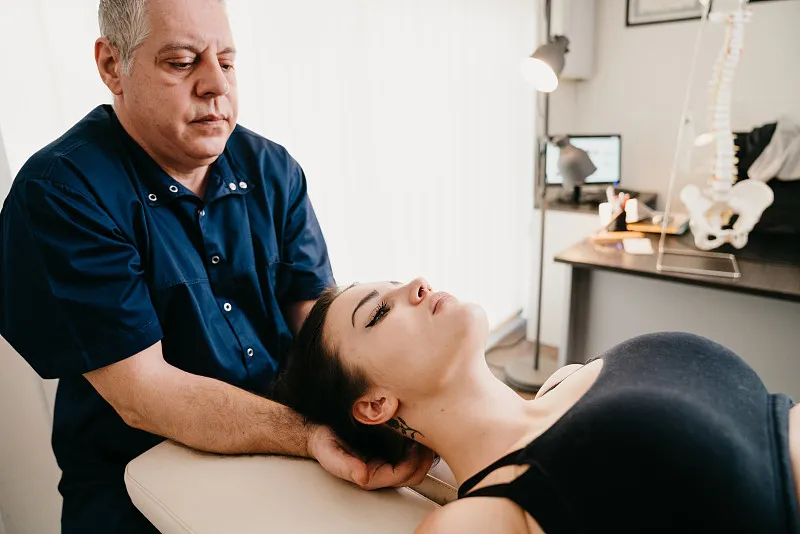
1. Relaxing Muscles and Reducing Tension
One of the main triggers of migraines is muscle tension, particularly in the neck, shoulders, and head. Poor posture, stress, and prolonged periods of muscle tightness can lead to a buildup of tension in these areas, which can trigger or worsen migraine pain. Massage therapy helps relax these muscles, alleviate tightness, and reduce the frequency and severity of migraines.
- Neck and shoulder massage: Targeting the neck and shoulder areas can help release tension in the muscles, improve circulation, and ease migraine symptoms caused by muscular strain.
- Scalp massage: A gentle scalp massage can improve blood flow to the head and relieve pressure caused by poor circulation, which often contributes to migraine pain.
2. Reducing Stress and Calming the Nervous System
Psychological stress and emotional tension are common triggers for migraines. Massage therapy can promote relaxation, reduce stress levels, and help regulate the autonomic nervous system, leading to a reduction in stress-induced migraines.
- Relaxation techniques: Massage, especially light strokes and trigger point applications, can activate the body's parasympathetic nervous system, which lowers cortisol (the stress hormone) levels and helps prevent migraines triggered by stress.
3. Improving Blood Circulation
Poor blood circulation can be a contributing factor to migraines. Massage stimulates blood flow, particularly in the neck, shoulders, and head, helping alleviate migraine pain caused by poor circulation.
- Deep tissue massage: This technique applies stronger pressure to the deeper layers of muscles, promoting circulation and helping relieve headaches caused by muscle tension or vascular issues.
- Lymphatic drainage: Massage can stimulate the lymphatic system, helping the body eliminate toxins that might contribute to headaches and migraines.
4. Stimulating Endorphin Release to Relieve Pain
Endorphins are the body's natural painkillers, and massage therapy can stimulate the release of endorphins, providing natural pain relief for migraines.
- Trigger point therapy: By applying pressure to specific points, massage can trigger the release of endorphins, reducing migraine pain and promoting a sense of well-being.
Common Massage Techniques for Migraine Relief
When it comes to treating migraines, several massage techniques are especially effective at addressing the underlying factors that contribute to migraine pain:
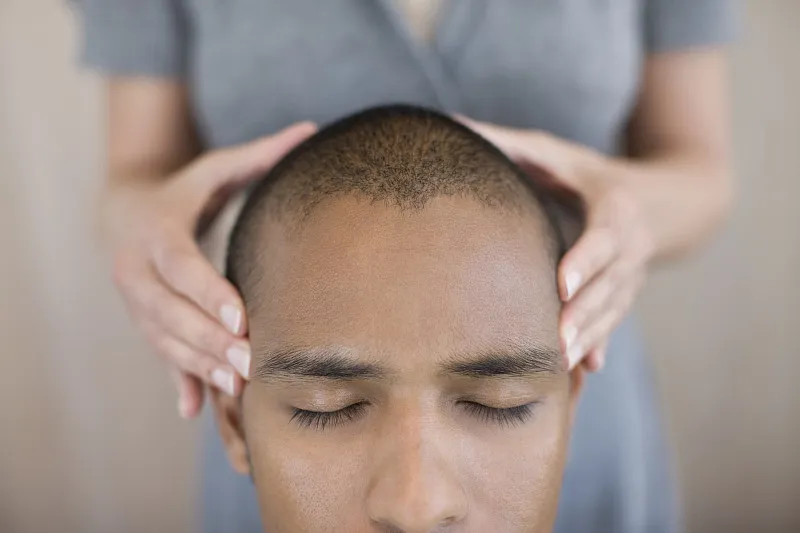
1. Scalp Massage
Scalp massage is one of the most common and effective ways to relieve migraine pain. Gently massaging the scalp can stimulate blood circulation, relax the muscles in the head, and alleviate the pressure caused by vascular dilation that often occurs during a migraine.
- How to perform scalp massage: Use your fingertips to gently massage your scalp, focusing on areas like the temples, forehead, and the top of the head. Gradually increase the pressure to find the right amount of comfort.
2. Neck and Shoulder Massage
Tension in the neck and shoulders is a major trigger for migraines. Massaging these areas can help release tight muscles, reduce discomfort, and improve the range of motion, which can significantly reduce the frequency and severity of migraines.
- How to perform neck and shoulder massage: Use your hands to gently massage the muscles along the neck and shoulders. Apply moderate to deep pressure depending on the level of tension, focusing on areas of tightness.
3. Deep Tissue Massage
Deep tissue massage uses more intense pressure to target deeper layers of muscle, making it particularly effective for reducing the chronic muscle tension that often contributes to migraines.
- How to perform deep tissue massage: A professional massage therapist will apply firm pressure to the neck, shoulders, and upper back muscles, focusing on areas with more tension. This technique helps improve blood flow and releases muscle knots that may be contributing to migraine pain.
4. Ear Massage
Ear massage can stimulate specific pressure points in the ear, which can help relieve head pain and pressure. The ear contains several reflex points that, when massaged, may have a calming effect on the entire body, including the head.
- How to perform ear massage: Gently pinch the earlobes and rub them between your fingers. You can also massage the outer ear and the area just behind the ears. Apply light pressure to stimulate relaxation.
How to Find a Massage Therapist for Migraines
If you're considering using massage therapy for migraine relief, it’s important to find a skilled and experienced therapist who understands how to address the underlying causes of your migraines. Here are some tips for finding the right massage therapist:
-
Look for a therapist with experience in migraine relief: Choose a massage therapist who is familiar with migraine treatment techniques and can tailor the massage to target specific muscle groups and relaxation techniques that will benefit you.
-
Inquire about their techniques: Be sure to ask about the therapist's experience with techniques such as deep tissue massage, trigger point therapy, or relaxation massage to ensure they can provide the appropriate treatment for your migraine symptoms.
-
Consider "same-day massage" services: Many massage clinics offer same-day appointments. You can search online or call ahead to book a massage if you're in need of immediate relief.
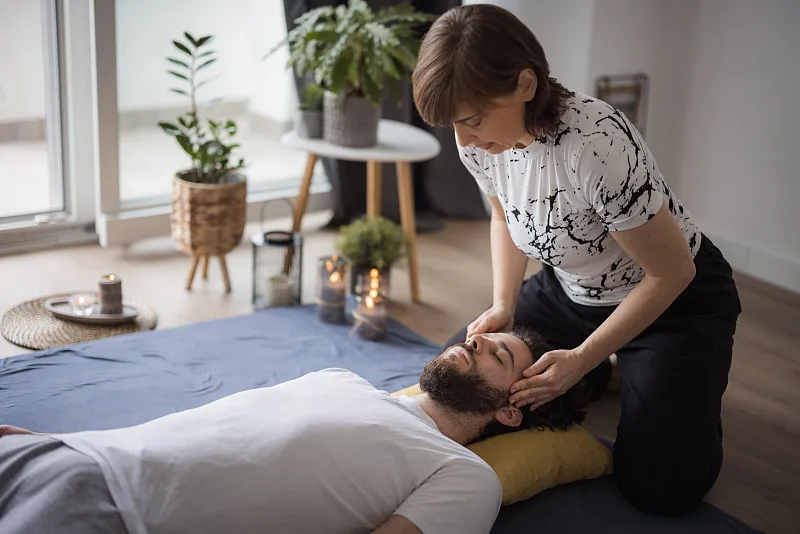
Conclusion: The Effectiveness of Massage for Migraine Relief
For those who suffer from chronic migraines, massage therapy offers a valuable, natural method of relief. By addressing muscle tension, reducing stress, improving circulation, and stimulating the release of endorphins, massage can significantly reduce the frequency and intensity of migraine attacks. While massage should not replace medication, it can serve as an effective complementary treatment for managing migraine symptoms and improving overall well-being.
If you are suffering from migraines, consider incorporating regular massage therapy into your treatment plan. Working with a qualified massage therapist and using specific techniques tailored to your symptoms may provide you with much-needed relief.
Before trying any new treatments, it’s always a good idea to consult your doctor to ensure that massage therapy is appropriate for your condition and to discuss the best approach for managing your migraines effectively.