1. Supplemental Nutrition Assistance Program (SNAP)
The Supplemental Nutrition Assistance Program (SNAP), formerly known as food stamps, is one of the most widely used food assistance programs in the United States. SNAP helps low-income seniors by providing financial assistance to purchase nutritious food. Eligibility is based on income and family size, and the amount of assistance depends on these factors.
For many seniors living on a fixed income, such as Social Security, SNAP can be a lifesaver. Many seniors may not realize they qualify for SNAP, but the program is available and provides much-needed support. In some states, additional state-funded programs can supplement SNAP benefits, increasing the support available to low-income seniors.
To apply for SNAP, seniors can visit their local state office or apply online through the Benefits.gov website.
2. Meals on Wheels
Meals on Wheels is an important program that delivers hot, nutritious meals directly to seniors’ homes. This service is targeted at seniors who are housebound or unable to cook for themselves. Meals on Wheels not only provides food, but also health screenings, making it an essential service for seniors living alone.
The meals provided meet the dietary needs of seniors, such as low sodium, low sugar, and balanced diets. Meals on Wheels also offers flexible meal plans, providing daily or weekly meal deliveries based on the needs of seniors.
Seniors interested in signing up for Meals on Wheels USA can find a local chapter through the Meals on Wheels USA website or by contacting their local senior services office.
3. Senior Farmers Market Nutrition Program (SFMNP)
The Senior Farmers Market Nutrition Program (SFMNP) is designed to provide fresh, local produce to low-income seniors. Seniors receive vouchers that can be used to purchase fruits, vegetables, and herbs at farmers markets.
The program promotes healthy eating by encouraging seniors to purchase fresh, nutritious foods. Eligible seniors are typically 60 years of age or older, and income eligibility varies by state. SFMNP works through local senior centers and health departments.
Seniors interested in SFMNP should contact their local Agency on Aging or visit the USDA website for more information on how to apply.
4. TEFAP
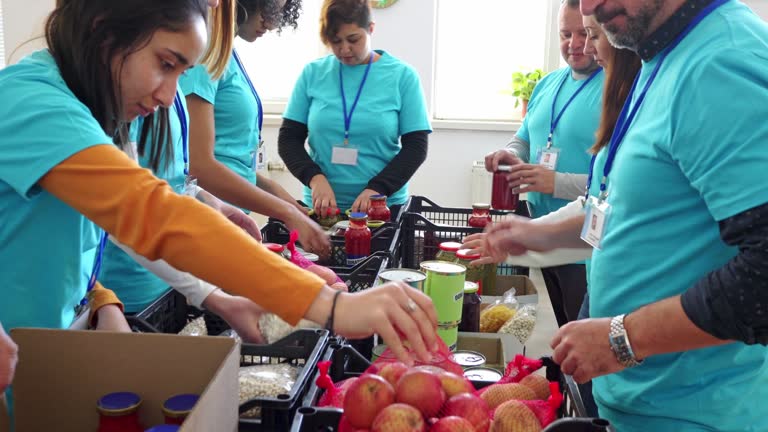
The TEFAP helps low-income people, including seniors, get food when they need it. TEFAP provides food, including canned goods, fresh produce, dairy products, and more, through local food banks and food pantries.
TEFAP is especially helpful during unexpected hardship. Seniors can go to a food bank in their community to get TEFAP assistance, which is divided based on household income and family size.
Seniors can find TEFAP food distribution centers through Feeding America or by contacting a local food bank.
5. Group Meal Programs
Group meal programs give seniors the opportunity to receive a hot, nutritious meal at a community center, senior center, or local church. These meals are often provided to eligible seniors at a subsidy or reduced cost. Group meals not only provide food, but also provide seniors with opportunities to socialize, which is important for physical and mental health.
These programs are often supported by the Administration for Community Living (ACL) and are available in many communities. Seniors can find local group meal programs by contacting a senior center or using the Eldercare Locator.
6. Food Pantries and Community Kitchens
For seniors facing emergency food insecurity, local food pantries and community kitchens can provide critical support. Food pantries provide groceries, while community kitchens provide hot meals to those in need, regardless of income. These services do not require a formal application and are generally free of significant barriers.
Seniors can find nearby food pantries and community kitchens through the Feeding America website or by contacting local nonprofits.
7. Supplemental Security Income (SSI) Benefits
Supplemental Security Income (SSI) is not a food assistance program in and of itself, but it can help seniors get additional financial support for food and other necessities. SSI is a federal program that provides financial assistance to low-income seniors. While SSI payments are not large, they help fill the financial gap for seniors who may be struggling to make ends meet.
Seniors can apply for SSI benefits through the Social Security Administration website, which also provides additional resources for food assistance programs like SNAP.
Conclusion
Food insecurity is a serious issue for many seniors, but there are many programs that can provide assistance with food and support. From the comprehensive SNAP program to personalized services delivered to your door, seniors have access to a variety of resources to ensure they don’t go hungry. By taking advantage of these programs, seniors can stay healthy and nourished, maintain their independence, and enjoy a higher quality of life.
Seniors who may be facing food insecurity should take advantage of these programs, which not only provide necessary meals, but also social connections and community support. These services play a key role in improving the overall well-being of older Americans.