Common Misconceptions
Many cat owners assume that if a food is safe for humans, it must be safe for cats. This assumption can lead to serious health problems. Additionally, some may assume that all commercial cat foods provide adequate nutrition, overlooking the importance of a cat's special dietary needs.
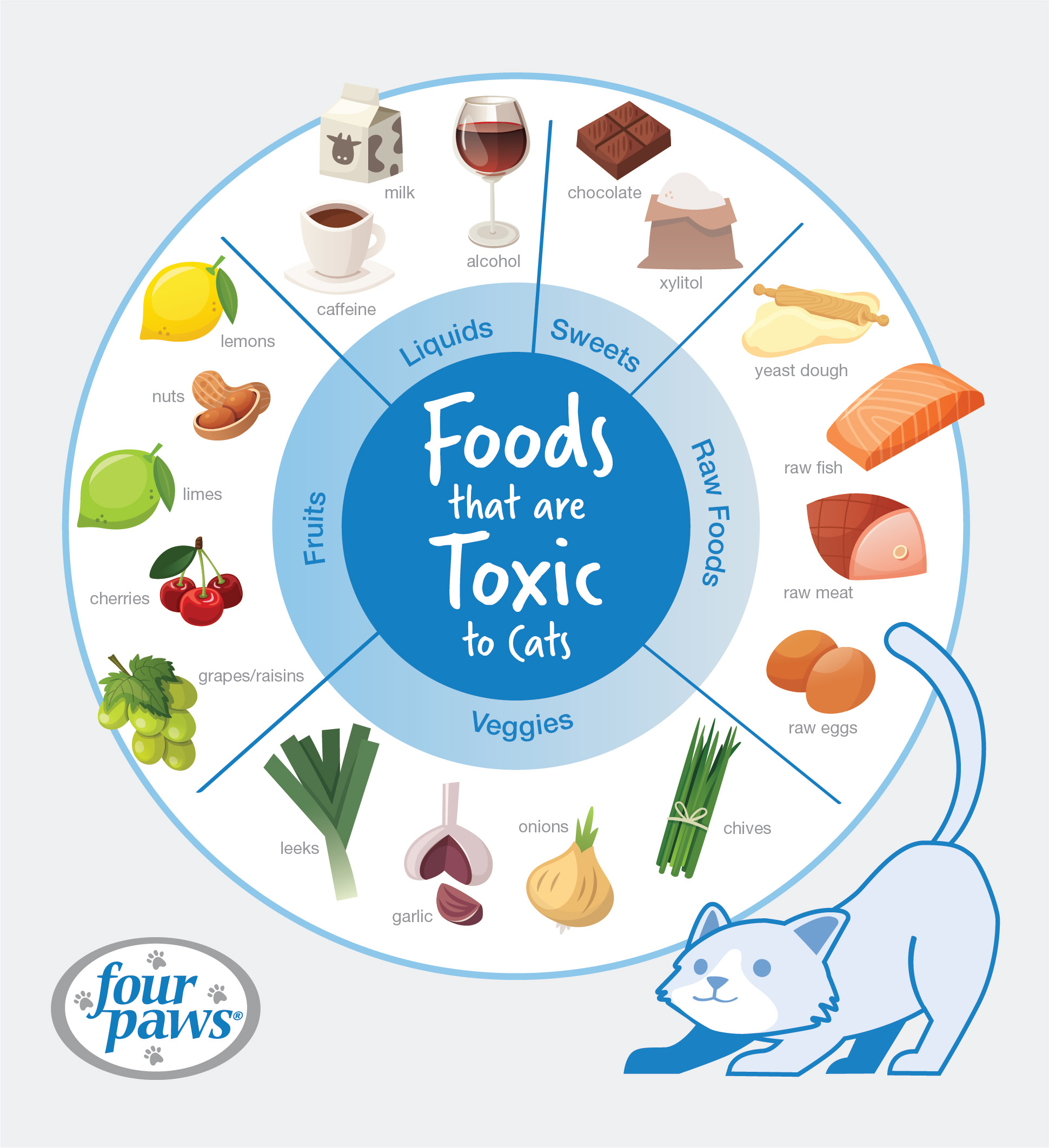
Foods that are harmful to cats
1. Onions and garlic:
- Why they are harmful: Both contain compounds called thiosulfate, which can damage red blood cells and cause hemolytic anemia.
- Symptoms: Symptoms may include lethargy, weakness, vomiting, and pale gums.
2. Green tomatoes and potatoes:
- Why they are harmful: These contain solanine, a toxic alkaloid that can cause gastrointestinal upset and neurological problems.
- Symptoms: Signs include vomiting, diarrhea, confusion, and lethargy.
3. Chocolate:
- Why they are harmful: Chocolate contains theobromine and caffeine, both of which are toxic to cats.
- Symptoms: Symptoms may include increased heart rate, restlessness, vomiting, and seizures.
4. Grapes and raisins:
- Why they are harmful: Although the specific toxins are unknown, these substances may cause acute renal failure in cats.
- Symptoms: Symptoms include vomiting, diarrhea, lethargy, and loss of appetite.
Recommended Diet Plan for Cats
To ensure your cat is getting a balanced diet, consider the following diet plan:
1. Balanced Commercial Cat Food
- Type: Choose a high-quality wet or dry cat food that meets AAFCO standards.
- Combination: Mix wet and dry food to provide moisture and promote dental health.
- Serving Size: Follow the feeding guidelines on the package based on your cat's weight and activity level.
2. Homemade Diet (with caution)
- Ingredients: Use lean meats such as chicken or turkey, hard-boiled eggs, and small amounts of vegetables such as carrots or peas.
- Supplementation: Make sure the diet is supplemented with necessary vitamins and minerals, as homemade diets often lack essential nutrients.
- Serving Size: For an average cat, aim for about 20 calories per pound of body weight per day.
3. Treats
- Healthy Choice: Offer small pieces of cooked chicken, turkey, or commercial cat food that is free of harmful ingredients.
- Frequency: Treats should not exceed 10% of your cat's daily caloric intake.
4. Hydration
- Fresh water: Always provide fresh water, especially when feeding dry food.
- Benefits of wet food: Since cats are generally not very thirsty, feeding wet food can help to rehydrate them.
Other tips for feeding your cat
1. Choose high-quality food:
- Look for brands that use high-quality protein sources as the first ingredient.
- Avoid foods with too many fillers (such as corn and wheat) and artificial additives.
2. Rotate proteins:
- Cats can benefit from a variety of protein sources. Consider rotating between chicken, turkey, fish, and beef to provide a varied diet.
3. Consider special dietary needs:
- If your cat has health problems (such as obesity, diabetes, or kidney disease), consult your veterinarian for specialized dietary advice.
4. Monitor weight:
- Weigh your cat regularly to make sure they are maintaining a healthy weight. Adjust feeding amounts as needed based on their activity level and health.
5. Use feeding toys:
- To encourage mental stimulation and slow down fast eaters, use interactive feeding toys or puzzle feeders.
6. Create a feeding schedule:
- Stick to a consistent feeding schedule, whether feeding multiple small meals or offering food at set times throughout the day.
7. Be cautious with human food:
- If you want to share food with your cat, stick to safe options, such as cooked chicken or fish, and avoid any seasonings or sauces.
8. Hydration is key:
- Make sure your cat drinks enough water. Consider using a pet water fountain to encourage them to drink more water.
9. Monitor behavior:
- Pay attention to your cat's eating habits. Sudden changes in appetite or behavior may indicate health problems.
10. Consult a veterinarian:
- Regular veterinary visits are essential to discuss dietary changes and ensure your cat's nutritional needs are being met.
Conclusion
Feeding your cat requires careful consideration of their dietary needs and preferences. By choosing high-quality foods, monitoring their health, and maintaining a balanced diet, you can help your cat live a long and healthy life. Always put your cat’s health first, stay informed and seek professional advice when necessary.