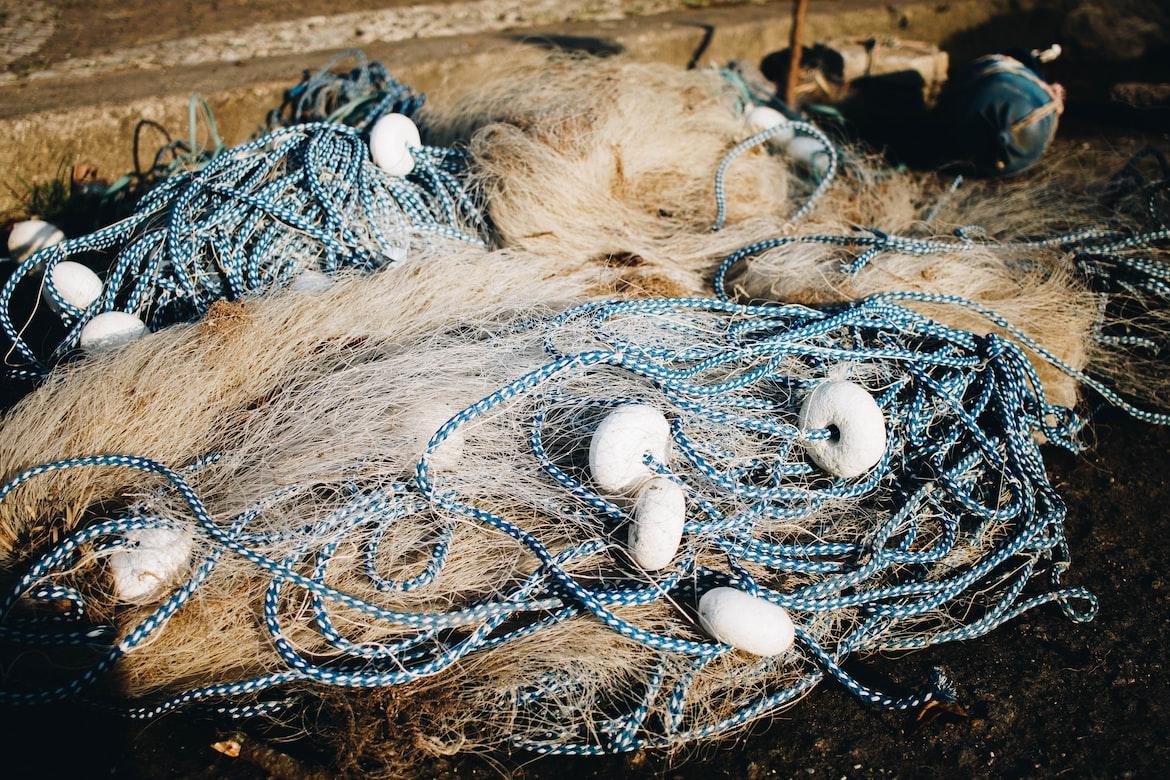
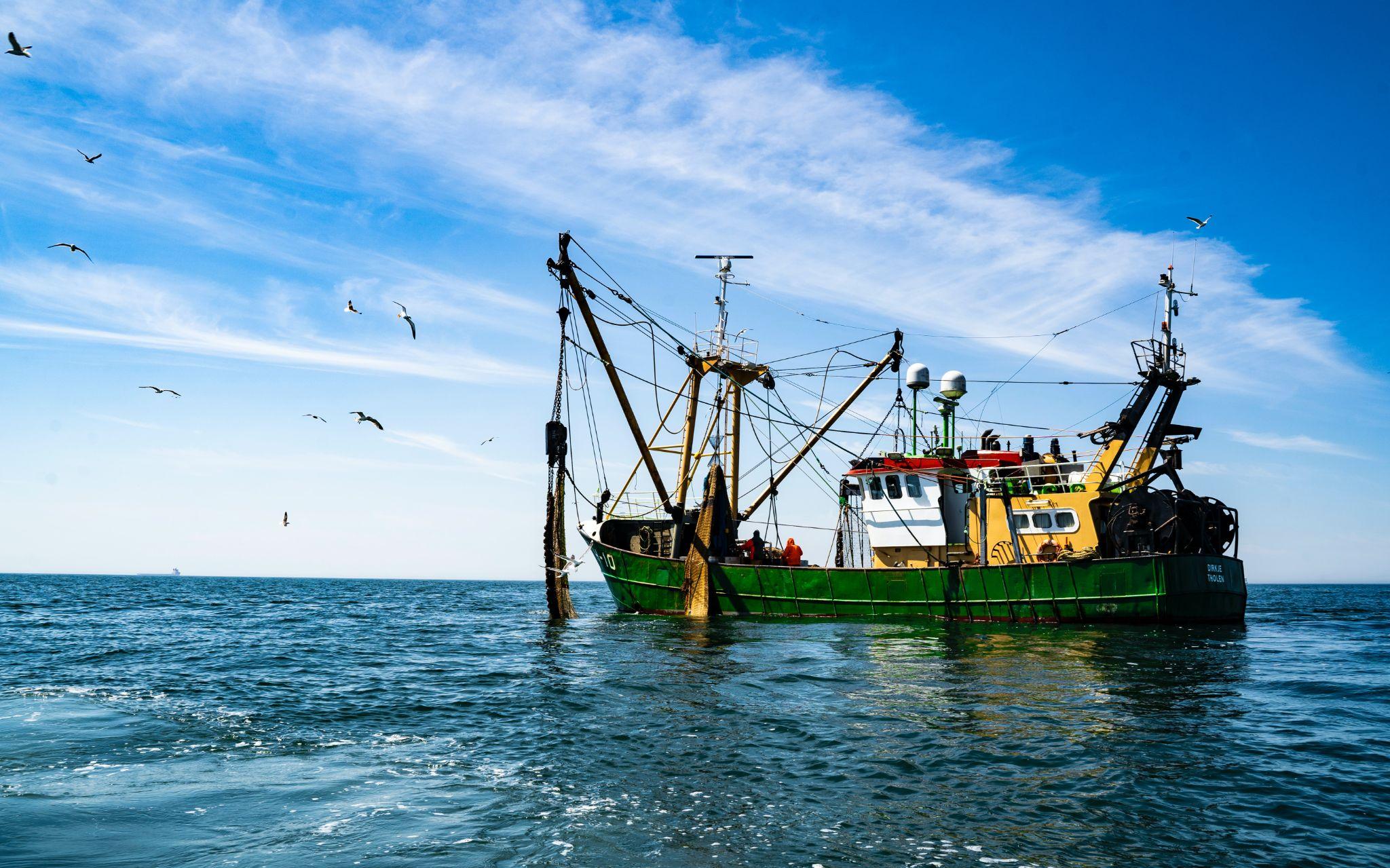
Along the riverbanks of Cilincing Fisherman’s Village in North Jakarta, a row of humble, traditional fishing boats graces the scenery. Each day, just after sunset, hundreds of fishermen start their engines and head out to sea to eke out a living. The cacophony from the boat engines is deafening, but for the villagers, it's a familiar symphony.
Wasjo, a seasoned fisherman from the village, remarks, “People from inland areas may find the noise overwhelming and unfamiliar, but we've grown up with the sound of these engines since our parents embarked on their fishing journeys. It gives us a sense of belonging.”
According to Wasjo, who has dedicated decades of his life to fishing, roughly 100 families call this village home, and their livelihoods depend entirely on fishing. They've formed tight-knit bonds, offering each other support, sharing common struggles, and uniting as a community.
As a lifelong fisherman, he's developed a deep affection for the sea, the waves, the fierce winds, and even the storms. These elements have been his constant companions throughout his childhood and the ups and downs of adulthood.
Typically, the fishermen set out to sea after sunset, sometimes even as early as 5 PM. The duration of their journey depends on their catch. A successful haul allows them to return by morning. However, when the catch falls short of covering their costs, a frequent occurrence these days, they must venture farther into the treacherous open sea in their small boats. Such expeditions can last from two nights to a whole week.
Otoy, another local fisherman, laments that unfavorable weather often hampers their catch as they struggle to locate fish. Prolonged tropical storms, characterized by high waves and fierce winds, force them to turn back in search of shelter, frequently returning empty-handed.
When the fishermen return without any catch, hunger grips their families. It's the harsh reality they face, relying on nature for their sustenance. Otoy adds that during tough times, he's had to pawn valuable possessions to make ends meet. Borrowing from friends and family is another necessity, but their capacity to help is limited as they too grapple with poverty.
The Low Season
During the west wind season, aptly known as the famine season, which spans from November to March, fishermen are often unable to fish due to inclement weather. Still, some desperate souls brave the sea in a gamble for fortune, even at the risk of their lives, according to Otoy.
Furthermore, the cost of a single fishing trip can soar to IDR1,000,000 (US$67), and it's highly unlikely that fishermen can break even during the west wind season. Occasionally, owners of fishing boats contribute some funds to aid the impoverished fishermen.
Polluted Waters
The sea has fallen victim to pollution, and fish stocks have dwindled. Wasjo laments the increase in floating debris, including plastic waste and industrial pollutants from nearby factories. The fishermen have lodged complaints with authorities, but little has been done to address the issue.
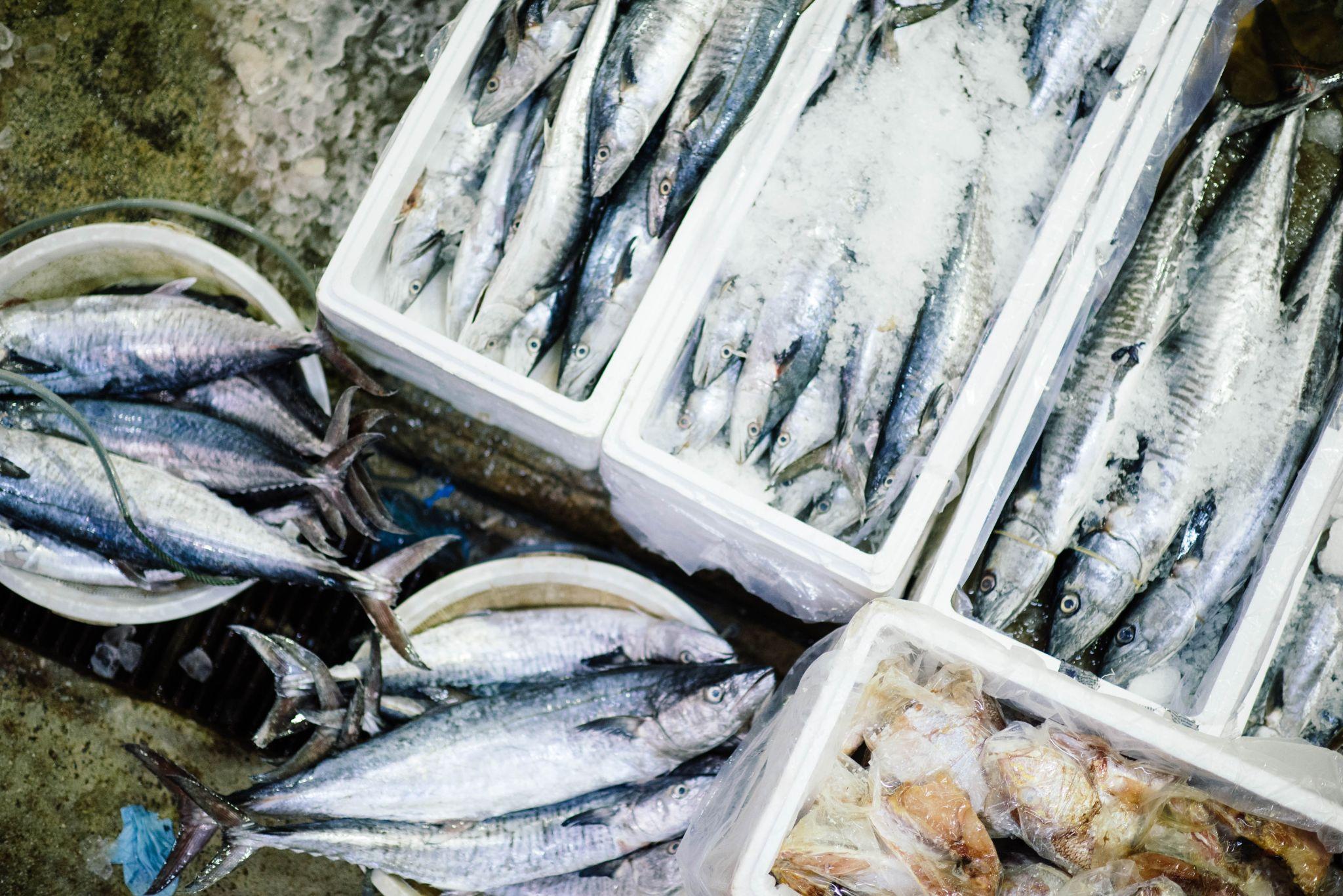
Due to the polluted waters, even on good days, the fishermen can only bring in about two quintals (200 kg) of catch, a stark contrast to the past when they could haul up to one ton, including various species from fish and shrimp to squid and octopus.
For fishermen, making a decent living has become a daunting challenge. With depleting fish stocks and pervasive pollution, they see a bleak future in the fishing profession. The residents of Cilincing Fisherman’s Village fervently hope that their children will not follow in their footsteps but will instead pursue education, secure stable employment, and break the cycle of poverty.