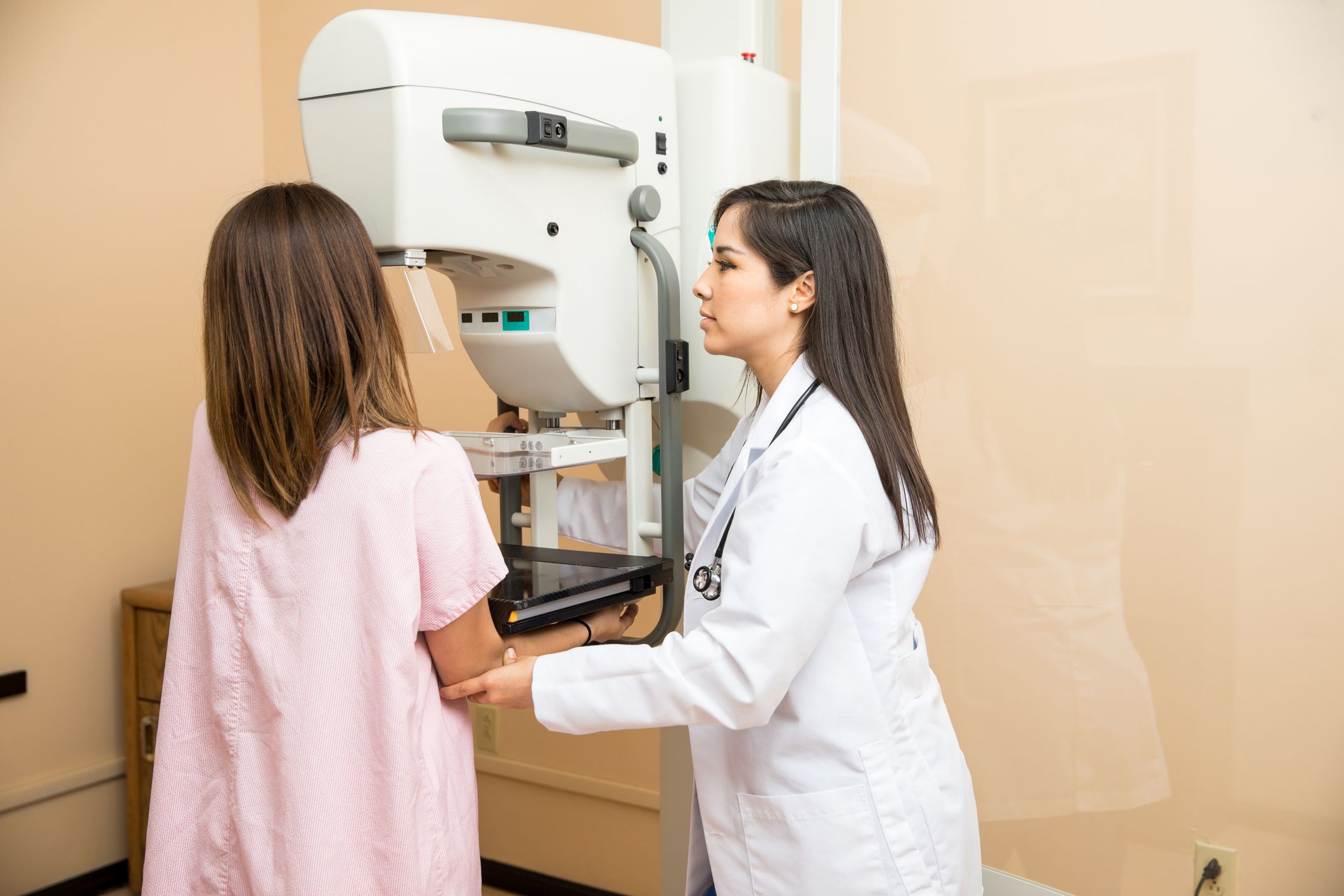
1. Early Detection
Knowing the signs and symptoms of breast cancer is crucial for early detection:
Changes in the look or feel of your breast or nipple
- Nipple tenderness or a lump or thickening in or near the breast or underarm area
- Changes in skin texture or enlarged pores in the skin of your breast (some describe this as a texture similar to orange peel)
- Breast lumps (It is important to remember that all lumps should be checked by a healthcare professional, but not all lumps are cancerous.)
Changes in the appearance of your breast or nipple
- Any unexplained change in the size or shape of your breast
- Dimples anywhere on your breast
- Unexplained breast swelling (especially on one side only
- Unexplained shrinkage of your breast (especially on one side only)
- Recent breast asymmetry (unequal or inconsistent sizes). While it is common for women to have one breast slightly larger than the other, recent asymmetry should be checked.
- Slightly inverted or inverted nipples
- The skin of the breast, areola, or nipple becomes scaly, red, or swollen, or may develop ridges or indentations that resemble the peel of an orange
Breast pain: While pain does not always indicate cancer, persistent discomfort should be evaluated.
Breast cysts: Fluid-filled sacs may form in the breast tissue and may need to be monitored.
Breast self-exams: Regular self-exams can help women become familiar with their breasts and detect any changes.
Clinical breast exams: These exams are performed by a health care professional and are important for women who may not perform regular self-exams.
Mammograms: Annual or biennial mammograms are recommended for women over 40 and are essential for detecting abnormalities that may not be apparent during a self-exam.
2. Programs that offer free mammograms
Several organizations offer free mammograms through various initiatives:
National Breast and Cervical Cancer Early Detection Program (NBCCEDP): This CDC program provides free or low-cost mammograms to women who are uninsured or underinsured. Eligibility generally includes:
- Low-income status
- Age 40 to 64 years old
- No previous insurance coverage for screening services
- Local health departments: Many state and local health departments offer free mammogram programs. Women can contact their local health department to inquire about available services.
- National Breast Cancer Foundation (NBCF): NBCF works with hospitals across the country to provide free mammograms to women who meet income and insurance qualifications. They have a directory of partnering facilities where women can get screened.
3. Free Educational Resources
- Updated! 3-Step Guide to Early Detection
- Updated! Guide to Healthy Living and Personal Risk
- Just Diagnosed with Breast Cancer…Now What?
- Smart Bites Recipes: 7 Healthy Recipes to Make in 35 Minutes (or Less)!
4. FAQs
- Can Physical Activity Lower Your Risk of Breast Cancer?
- Can a Healthy Diet Help Prevent Breast Cancer?
- Does Smoking Cause Breast Cancer?
- Does Drinking Alcohol Increase Your Risk of Breast Cancer?
- Is There a Link Between Oral Contraceptives and Breast Cancer?
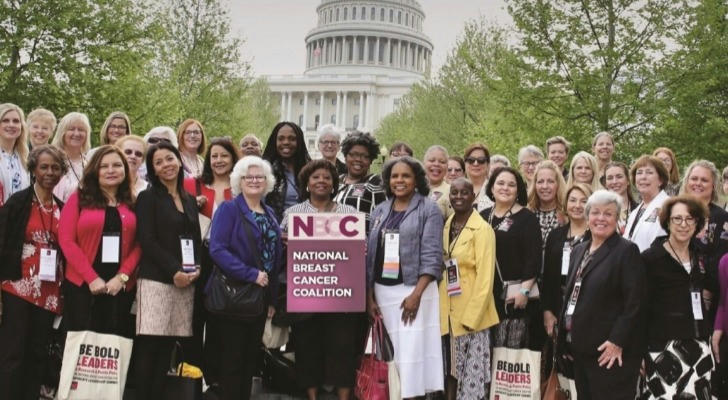
5. National Mammography Program
NBCF provides grants to healthcare facilities across the United States to provide screening and diagnostic mammography, breast ultrasound, clinical breast examinations, and patient navigation to eligible medically underserved individuals.
6.Conclusion
Taking advantage of free mammography services is critical for early detection of breast cancer, which can lead to better treatment outcomes. We encourage women to make their health a priority by taking advantage of these resources and scheduling regular checkups. By staying informed and proactive, individuals can significantly impact their health and well-being.