The Lotus Unveiled: Symbolism, Culinary Delights, and Modern Reverence in Thailand
In the vibrant tapestry of Thailand, the lotus flower emerges as a symbol steeped in cultural significance, transcending mere botanical beauty. Elevated to a heightened status among the nation's flora, the lotus is deeply ingrained in Thailand's predominantly Buddhist society, its roots entwined with the story of the Lord Buddha.

In the vibrant tapestry of Thailand, the lotus flower emerges as a symbol steeped in cultural significance, transcending mere botanical beauty. Elevated to a heightened status among the nation's flora, the lotus is deeply ingrained in Thailand's predominantly Buddhist society, its roots entwined with the story of the Lord Buddha.

An Emblem of Grace:
Known as the "Queen of Aquatic Plants," the lotus is not merely a botanical marvel but an integral part of Thai life, adorning realms from decoration to cuisine and medicine. Its ethereal presence reflects a harmonious blend of reverence and utility.

Unraveling the Lotus:
Scientifically designated as Nelumbo nucifera, the lotus belongs to the Nelumbonaceae family, flourishing in the water-rich landscapes of East to West Asia. Renowned for its enchanting pink and white blossoms that grace the water's surface on sturdy stems, the lotus stands as an emblem of purity and resilience.

Cultural Symbolism:
The lotus, with its ability to thrive in flood-prone areas, carries profound cultural symbolism across civilizations. In China, it symbolizes longevity, sprouting from ancient seeds. Ancient Egyptians associated it with rebirth. Sacred in Hindu and Buddhist faiths, it reigns as the national flower in India and Vietnam. In Thailand, Buddhism's introduction in the 3rd century BC kindled veneration for the lotus.

According to Buddhist lore, the stages of lotus growth parallel human understanding of dharma (Buddhist teachings):

Lotus in the Mud: Signifying an inability to grasp dharma.
Lotus Underwater: Reflecting understanding if given time.
Lotus on Water's Surface: Indicating comprehension with effort and study.
Lotus in Full Bloom Above Water: Denoting instant understanding and enlightenment.

Three Faces of "Lotus" in Thailand

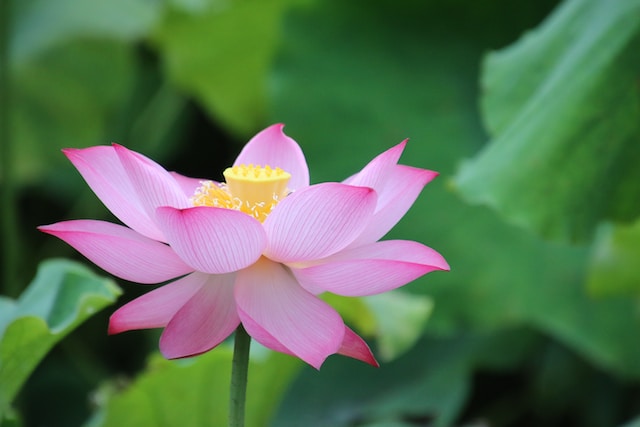
Bua Luang (Sacred Lotus):
Revered in Thai Buddhism, the Bua Luang symbolizes purity and faith. Integral in Thai literature and art, it serves dual roles in medicine as an herbal antipyretic agent.

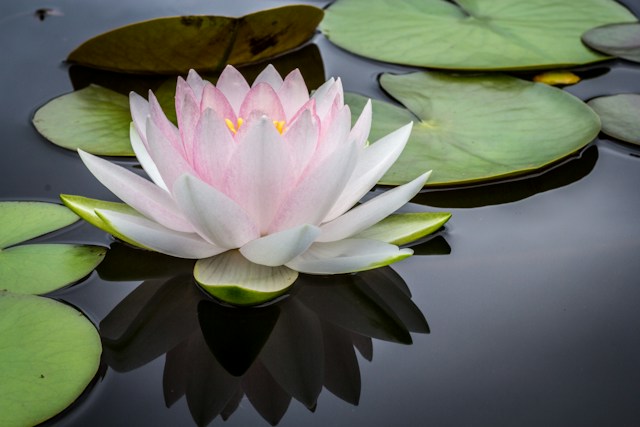
Bua Sai (Water Lily):
Despite being colloquially termed a bua (lotus), the Bua Sai is a water lily. Cultivated for aesthetics and culinary use, it graces home gardens.
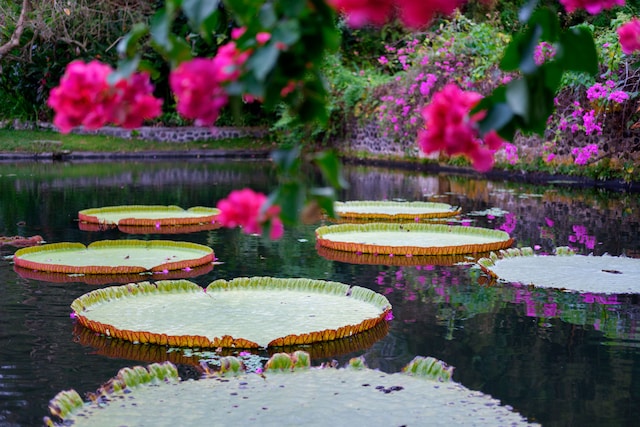
Bua Kradong:
A member of the Nymphaeaceae family, the Bua Kradong, globally known as Victoria amazonica, boasts a massive green lily pad. Though challenging for home gardens, it thrives in Thai parks, exuding tranquility.
Lotus in Thai Cuisine

Beyond symbolism, the lotus pervades Thai cuisine, with every part of the plant being edible.

Lotus Petal Miang Kham:
A royal treat, Miang Kham Bua Luang uses lotus petals instead of cha-plu leaves, presenting a fragrant and aesthetic twist to this traditional snack.

Lotus Stem with Steamed Mackerel in Coconut Soup:
A delicacy balancing savory mackerel, creamy coconut milk, and tender lotus stems, creating a harmonious fusion of flavors.

Lotus Root Drink:
A sweet indulgence using lotus roots steeped in pandan-infused water, enriched with sugar for a delightful beverage or snack.

Lotus in Modern Thailand

Beyond cuisine, the lotus is an integral part of daily life, from religious ceremonies to public events like the Loy Krathong celebration. Popular destinations like the Water Lily Park and Red Lotus Lake celebrate the floral beauty, drawing visitors globally.

Flowers for Eternity

Whether adorning culinary creations, gracing water gardens, or embodying virtues in timeless ceremonies, the lotus is a multifaceted symbol in Thai culture. Beyond a mere flower, it is a timeless essence—everything, everywhere, all at once.

Trending Now
|
The Lotus Unveiled: Symbolism, Culinary Delights, and Modern Reverence in Thailand
In the vibrant tapestry of Thailand, the lotus flower emerges as a symbol steeped in cultural significance, transcending mere botanical beauty. Elevated to a heightened status among the nation's flora, the lotus is deeply ingrained in Thailand's predominantly Buddhist society, its roots entwined with the story of the Lord Buddha.

In the vibrant tapestry of Thailand, the lotus flower emerges as a symbol steeped in cultural significance, transcending mere botanical beauty. Elevated to a heightened status among the nation's flora, the lotus is deeply ingrained in Thailand's predominantly Buddhist society, its roots entwined with the story of the Lord Buddha.

An Emblem of Grace:
Known as the "Queen of Aquatic Plants," the lotus is not merely a botanical marvel but an integral part of Thai life, adorning realms from decoration to cuisine and medicine. Its ethereal presence reflects a harmonious blend of reverence and utility.

Unraveling the Lotus:
Scientifically designated as Nelumbo nucifera, the lotus belongs to the Nelumbonaceae family, flourishing in the water-rich landscapes of East to West Asia. Renowned for its enchanting pink and white blossoms that grace the water's surface on sturdy stems, the lotus stands as an emblem of purity and resilience.

Cultural Symbolism:
The lotus, with its ability to thrive in flood-prone areas, carries profound cultural symbolism across civilizations. In China, it symbolizes longevity, sprouting from ancient seeds. Ancient Egyptians associated it with rebirth. Sacred in Hindu and Buddhist faiths, it reigns as the national flower in India and Vietnam. In Thailand, Buddhism's introduction in the 3rd century BC kindled veneration for the lotus.

According to Buddhist lore, the stages of lotus growth parallel human understanding of dharma (Buddhist teachings):

Lotus in the Mud: Signifying an inability to grasp dharma.
Lotus Underwater: Reflecting understanding if given time.
Lotus on Water's Surface: Indicating comprehension with effort and study.
Lotus in Full Bloom Above Water: Denoting instant understanding and enlightenment.

Three Faces of "Lotus" in Thailand

Bua Luang (Sacred Lotus):
Revered in Thai Buddhism, the Bua Luang symbolizes purity and faith. Integral in Thai literature and art, it serves dual roles in medicine as an herbal antipyretic agent.

Bua Sai (Water Lily):
Despite being colloquially termed a bua (lotus), the Bua Sai is a water lily. Cultivated for aesthetics and culinary use, it graces home gardens.

Bua Kradong:
A member of the Nymphaeaceae family, the Bua Kradong, globally known as Victoria amazonica, boasts a massive green lily pad. Though challenging for home gardens, it thrives in Thai parks, exuding tranquility.

Lotus in Thai Cuisine

Beyond symbolism, the lotus pervades Thai cuisine, with every part of the plant being edible.

Lotus Petal Miang Kham:
A royal treat, Miang Kham Bua Luang uses lotus petals instead of cha-plu leaves, presenting a fragrant and aesthetic twist to this traditional snack.

Lotus Stem with Steamed Mackerel in Coconut Soup:
A delicacy balancing savory mackerel, creamy coconut milk, and tender lotus stems, creating a harmonious fusion of flavors.

Lotus Root Drink:
A sweet indulgence using lotus roots steeped in pandan-infused water, enriched with sugar for a delightful beverage or snack.

Lotus in Modern Thailand

Beyond cuisine, the lotus is an integral part of daily life, from religious ceremonies to public events like the Loy Krathong celebration. Popular destinations like the Water Lily Park and Red Lotus Lake celebrate the floral beauty, drawing visitors globally.

Flowers for Eternity

Whether adorning culinary creations, gracing water gardens, or embodying virtues in timeless ceremonies, the lotus is a multifaceted symbol in Thai culture. Beyond a mere flower, it is a timeless essence—everything, everywhere, all at once.

Trending Now