1. Why Do Seniors Volunteer?
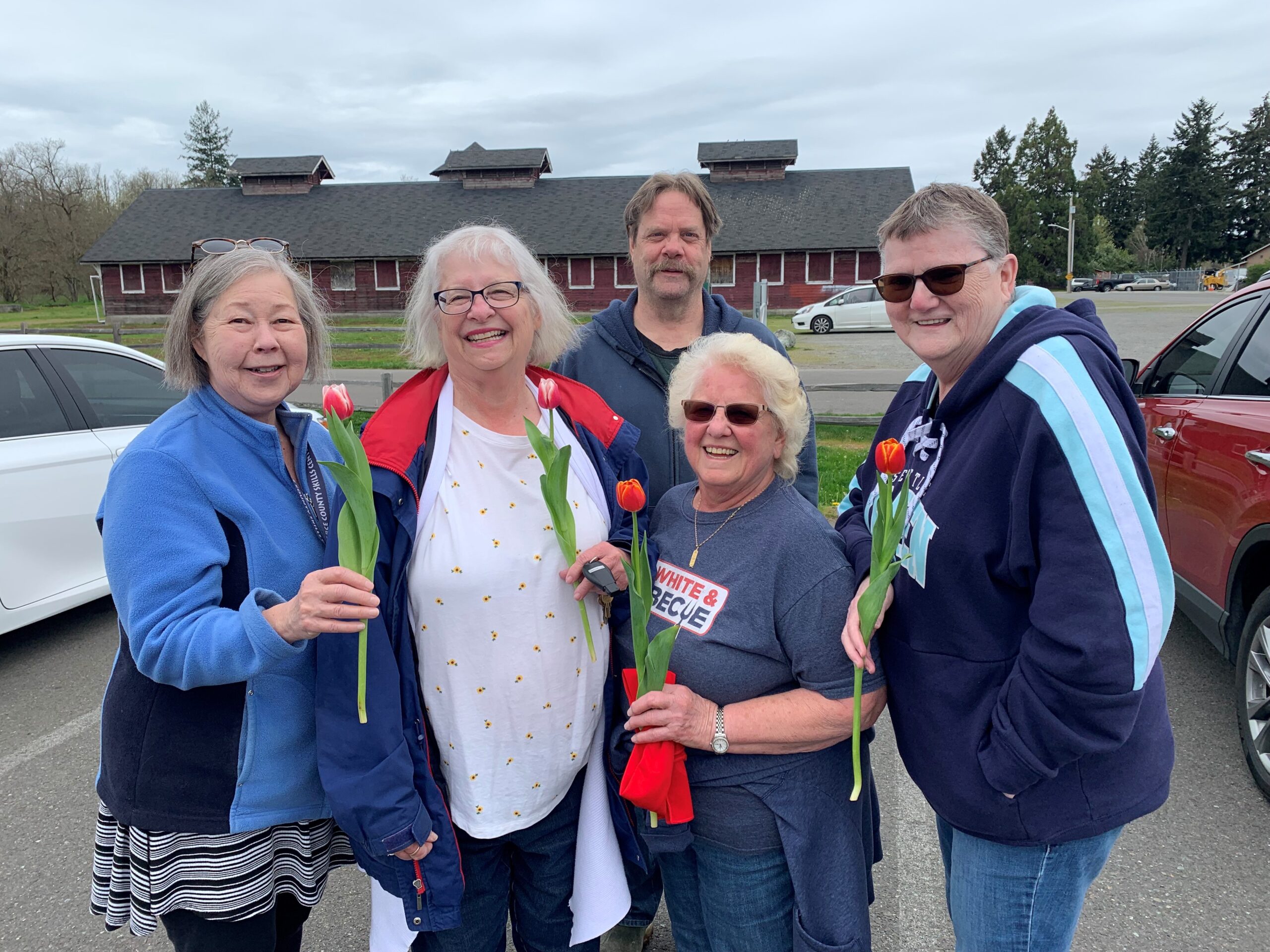
With fewer work commitments after retirement, many seniors seek ways to give back to society while finding meaningful activities to fill their time. Here are some common motivations:
- Staying Socially Connected: Volunteering provides a platform for seniors to interact with others, reducing loneliness and social isolation.
- Enhancing Health and Well-being: Studies show that volunteering reduces the risk of depression and increases happiness. Physical activities involved in volunteering also support healthy aging.
- Creating a Sense of Purpose: Helping others instills a sense of value and accomplishment in seniors, enhancing their quality of life.
2. Types of Volunteer Opportunities for Seniors
Seniors can choose from a wide range of volunteer activities tailored to their interests and abilities.
(1) Education and Mentorship
- Tutoring Students: Providing academic support in subjects like math, reading, or languages.
- Cultural Preservation: Teaching skills like crafting, music, or local history to younger generations.
(2) Community Services
- Food Banks and Kitchens: Assisting in food distribution or meal preparation for those in need.
- Community Cleanup: Helping maintain parks, streets, and community centers.
(3) Health and Medical Support
- Hospital Volunteers: Supporting patient check-ins, providing comfort to families, or organizing charity events.
- Health Awareness: Leading chronic disease prevention workshops or promoting vaccinations.
(4) Support for Fellow Seniors
- Companion Services: Visiting or calling isolated seniors to provide emotional support.
- Assisting in Care Homes: Helping organize recreational activities like art therapy or light exercise sessions.
(5) Animal Welfare
- Animal Shelters: Caring for homeless animals and helping them find new homes.
- Pet Therapy: Bringing trained pets to nursing homes or hospitals to bring joy to residents.
(6) Disaster Relief and Charity Work
- Post-Disaster Assistance: Working with organizations like the Red Cross to aid disaster-stricken communities.
- Fundraising Events: Organizing or participating in charity drives and events.
3. How to Start Volunteering
Seniors can find volunteer opportunities through the following channels:
- Local Nonprofits and Churches: Many organizations provide senior-friendly volunteer roles.
- Online Platforms: Websites like VolunteerMatch or AARP’s Create the Good help seniors find suitable opportunities.
- Social Media and Community Boards: Platforms like Facebook or community bulletin boards often list local events and volunteer needs.
- Personal Networks: Recommendations from family, friends, or neighbors can lead to fulfilling volunteer roles.
4. Inspiring Stories of Senior Volunteers
Senior volunteers have made remarkable impacts on their communities. For instance, 78-year-old Joan, a retired teacher, became a reading mentor, inspiring dozens of children to develop a love for books. Meanwhile, 65-year-old Mike volunteers weekly at an animal shelter, helping hundreds of animals find loving homes. Stories like these highlight how seniors can positively influence others’ lives while enriching their own.
Conclusion
Seniors are a critical force in the U.S. volunteer community. Their experience, wisdom, and dedication help address various societal challenges, from education and healthcare to disaster relief and community development. By participating in volunteering, seniors not only improve the lives of others but also enjoy more fulfilling, active, and connected lives themselves. With more platforms and resources emerging, it’s easier than ever for seniors to engage in volunteer work and make a lasting difference.