Mastering the Art of Preparing for a Long Bike Ride
Long-distance cycling, whether it's a scenic canyon exploration, a day-long race like Lotoja, or an ambitious endeavor like South Africa's Cape Epic, requires a unique set of skills and unwavering dedication. It's more than just a bike ride; it's a journey that pushes your limits, tests your endurance, and rewards you with both physical and mental benefits. Preparing for a long bike ride involves a specific set of considerations, regardless of whether it's a race, multi-day adventure, or a solitary journey of self-discovery.

Long-distance cycling, whether it's a scenic canyon exploration, a day-long race like Lotoja, or an ambitious endeavor like South Africa's Cape Epic, requires a unique set of skills and unwavering dedication. It's more than just a bike ride; it's a journey that pushes your limits, tests your endurance, and rewards you with both physical and mental benefits. Preparing for a long bike ride involves a specific set of considerations, regardless of whether it's a race, multi-day adventure, or a solitary journey of self-discovery.

Build Endurance Gradually

Endurance is the backbone of long-distance cycling. However, it's crucial to build it gradually to prevent injury and facilitate recovery. Incremental progress is key. If you typically ride for two hours, add a half-hour each week, extending your stamina over a couple of months. The gradual approach is not only safer but also mentally manageable, allowing you to acclimate to the demands of longer rides.

Additionally, it's essential to balance strenuous rides with recovery sessions. Incorporate leisurely, shorter rides during the week to keep your muscles limber. These mid-week rides contribute to your overall conditioning without pushing your limits.

Stay Hydrated and Nourished

Long rides necessitate a structured approach to hydration and nutrition. Unlike sprint events, endurance cycling requires a consistent intake of fluids and energy. The rule of thumb is to consume a bottle of water every hour, adjusting for hotter days and more demanding rides. For sustenance, consume small portions of food every fifteen minutes. While preferences may vary, options range from bananas to energy bars, depending on individual preferences.

Endurance cyclists need approximately 60-90 grams of carbohydrates per hour to fuel their efforts. Consistently replenishing your energy stores is critical for sustaining performance. If you have a support team in a race, they can help monitor your nutritional intake. However, if you're embarking on a solo journey, it's prudent to carry high-calorie snacks and hydrating fluids. Importantly, never experiment with new foods on race day; stick to a familiar diet to avoid digestive issues.

Pace Yourself Wisely

Long-distance cycling is not a sprint; it's a test of endurance. It's vital to maintain an even pace and avoid pushing your limits prematurely. Whether you're competing against others or challenging yourself, listen to your body's cues. Overexertion is counterproductive; if you're unable to speak or experiencing severe muscle fatigue, you're likely pushing too hard.

Endurance cycling relies on slow-twitch muscle fibers, and conserving energy is essential. Watch your breathing and muscle fatigue to gauge your pace. In a multi-day race, competitors frequently conserve energy by taking turns in the lead. For solo rides, remember that slow and steady wins the race.

Equip Yourself Adequately

Prepare your bike and gear meticulously. There's nothing worse than encountering a mechanical issue in the middle of nowhere or during a race. Start by inspecting your bike's tires, brakes, chain, and chainrings. Ensure they are in top condition and replace any worn components. Double-check your tire pressure, ensuring it's at the recommended level.

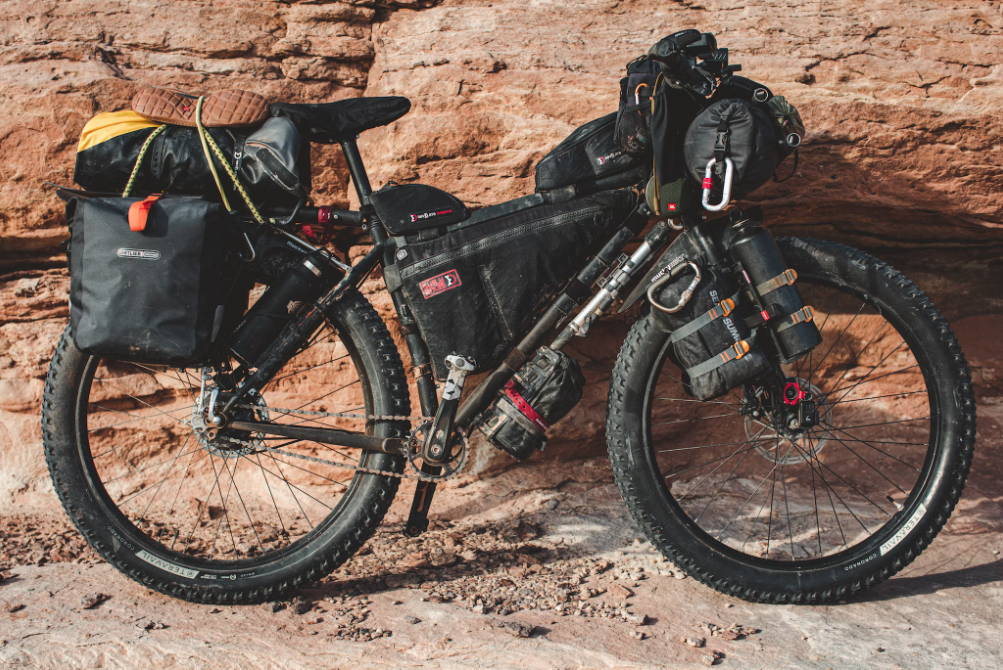
Carry essential tools, spare parts, and supplies with you. Items such as extra chain links, a gear cable, and brake pads can be lifesavers in case of unforeseen issues. Your personal gear, including a well-fitting helmet, comfortable clothing, hydration system (Camelbak or bottles), and nutritional supplies, should also be part of your checklist.

Moreover, carry a minimal amount of cash, a cell phone, and your identification for unexpected situations. Preparedness is your best ally.
Listen to Your Body, Not Your Mind

While mental fortitude is crucial in cycling, it's equally important to heed your body's signals, especially for long-term health. Pushing through severe pain can result in lasting damage and complications. Recognize the difference between discomfort and potential harm.

At the same time, understand that your mind can trick you into quitting prematurely. To overcome this, create mental strategies to motivate yourself. Promise a reward or break your ride into manageable segments. Find what inspires you and use it to overcome mental barriers. Remember, cycling is a harmony of both mind and body.

In conclusion

Preparing for a long bike ride is a holistic process. It requires systematic training, meticulous planning, and the ability to adapt to the changing demands of endurance cycling. By building endurance gradually, staying hydrated and nourished, pacing yourself wisely, equipping yourself adequately, and listening to your body, you'll set the stage for a successful long-distance journey. Every pedal stroke brings you closer to the finish line, and the sense of accomplishment and growth you'll experience is immeasurable.

Trending Now
|
Mastering the Art of Preparing for a Long Bike Ride
Long-distance cycling, whether it's a scenic canyon exploration, a day-long race like Lotoja, or an ambitious endeavor like South Africa's Cape Epic, requires a unique set of skills and unwavering dedication. It's more than just a bike ride; it's a journey that pushes your limits, tests your endurance, and rewards you with both physical and mental benefits. Preparing for a long bike ride involves a specific set of considerations, regardless of whether it's a race, multi-day adventure, or a solitary journey of self-discovery.

Long-distance cycling, whether it's a scenic canyon exploration, a day-long race like Lotoja, or an ambitious endeavor like South Africa's Cape Epic, requires a unique set of skills and unwavering dedication. It's more than just a bike ride; it's a journey that pushes your limits, tests your endurance, and rewards you with both physical and mental benefits. Preparing for a long bike ride involves a specific set of considerations, regardless of whether it's a race, multi-day adventure, or a solitary journey of self-discovery.

Build Endurance Gradually

Endurance is the backbone of long-distance cycling. However, it's crucial to build it gradually to prevent injury and facilitate recovery. Incremental progress is key. If you typically ride for two hours, add a half-hour each week, extending your stamina over a couple of months. The gradual approach is not only safer but also mentally manageable, allowing you to acclimate to the demands of longer rides.

Additionally, it's essential to balance strenuous rides with recovery sessions. Incorporate leisurely, shorter rides during the week to keep your muscles limber. These mid-week rides contribute to your overall conditioning without pushing your limits.

Stay Hydrated and Nourished

Long rides necessitate a structured approach to hydration and nutrition. Unlike sprint events, endurance cycling requires a consistent intake of fluids and energy. The rule of thumb is to consume a bottle of water every hour, adjusting for hotter days and more demanding rides. For sustenance, consume small portions of food every fifteen minutes. While preferences may vary, options range from bananas to energy bars, depending on individual preferences.

Endurance cyclists need approximately 60-90 grams of carbohydrates per hour to fuel their efforts. Consistently replenishing your energy stores is critical for sustaining performance. If you have a support team in a race, they can help monitor your nutritional intake. However, if you're embarking on a solo journey, it's prudent to carry high-calorie snacks and hydrating fluids. Importantly, never experiment with new foods on race day; stick to a familiar diet to avoid digestive issues.

Pace Yourself Wisely

Long-distance cycling is not a sprint; it's a test of endurance. It's vital to maintain an even pace and avoid pushing your limits prematurely. Whether you're competing against others or challenging yourself, listen to your body's cues. Overexertion is counterproductive; if you're unable to speak or experiencing severe muscle fatigue, you're likely pushing too hard.

Endurance cycling relies on slow-twitch muscle fibers, and conserving energy is essential. Watch your breathing and muscle fatigue to gauge your pace. In a multi-day race, competitors frequently conserve energy by taking turns in the lead. For solo rides, remember that slow and steady wins the race.

Equip Yourself Adequately

Prepare your bike and gear meticulously. There's nothing worse than encountering a mechanical issue in the middle of nowhere or during a race. Start by inspecting your bike's tires, brakes, chain, and chainrings. Ensure they are in top condition and replace any worn components. Double-check your tire pressure, ensuring it's at the recommended level.

Carry essential tools, spare parts, and supplies with you. Items such as extra chain links, a gear cable, and brake pads can be lifesavers in case of unforeseen issues. Your personal gear, including a well-fitting helmet, comfortable clothing, hydration system (Camelbak or bottles), and nutritional supplies, should also be part of your checklist.

Moreover, carry a minimal amount of cash, a cell phone, and your identification for unexpected situations. Preparedness is your best ally.

Listen to Your Body, Not Your Mind

While mental fortitude is crucial in cycling, it's equally important to heed your body's signals, especially for long-term health. Pushing through severe pain can result in lasting damage and complications. Recognize the difference between discomfort and potential harm.

At the same time, understand that your mind can trick you into quitting prematurely. To overcome this, create mental strategies to motivate yourself. Promise a reward or break your ride into manageable segments. Find what inspires you and use it to overcome mental barriers. Remember, cycling is a harmony of both mind and body.

In conclusion

Preparing for a long bike ride is a holistic process. It requires systematic training, meticulous planning, and the ability to adapt to the changing demands of endurance cycling. By building endurance gradually, staying hydrated and nourished, pacing yourself wisely, equipping yourself adequately, and listening to your body, you'll set the stage for a successful long-distance journey. Every pedal stroke brings you closer to the finish line, and the sense of accomplishment and growth you'll experience is immeasurable.

Trending Now