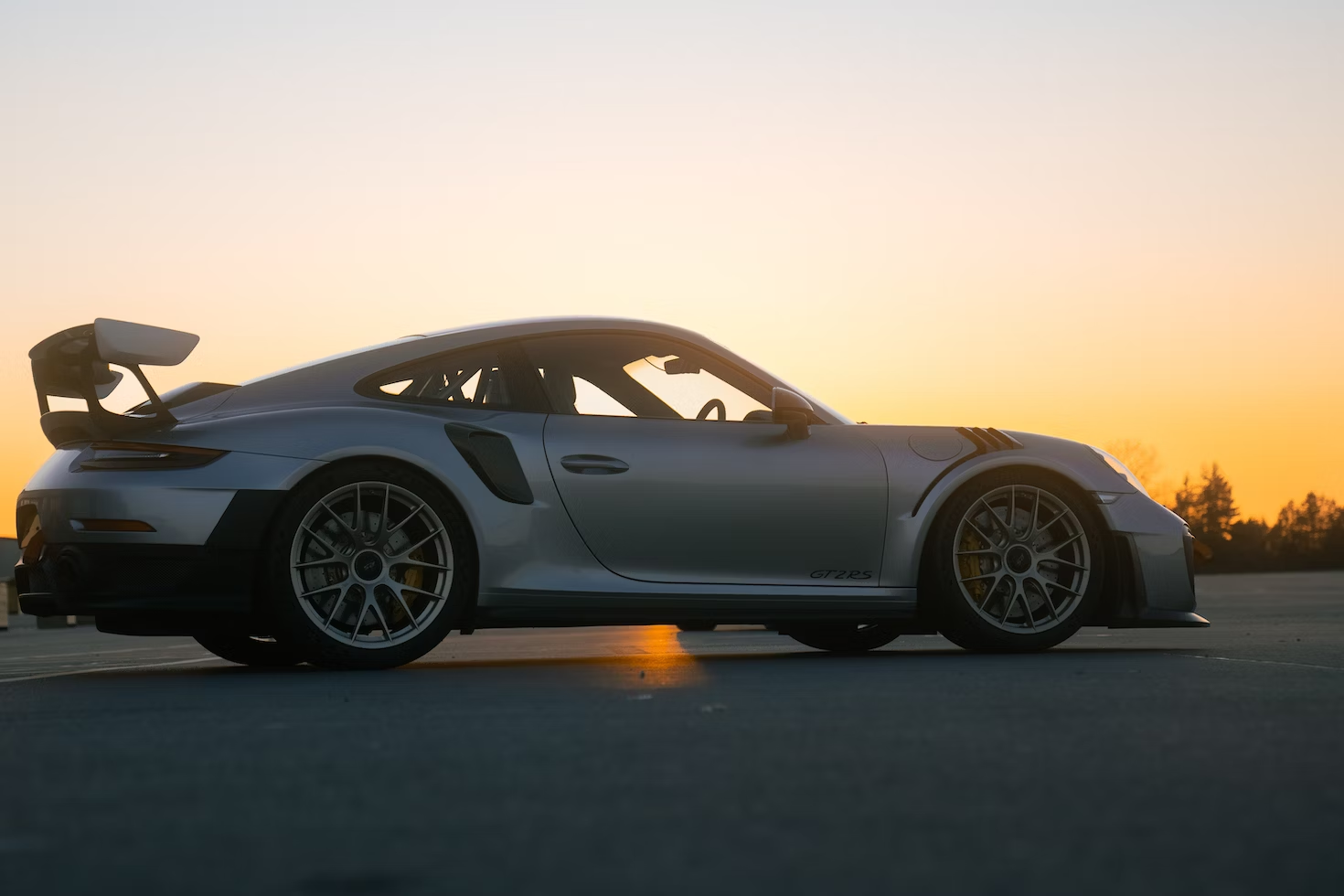
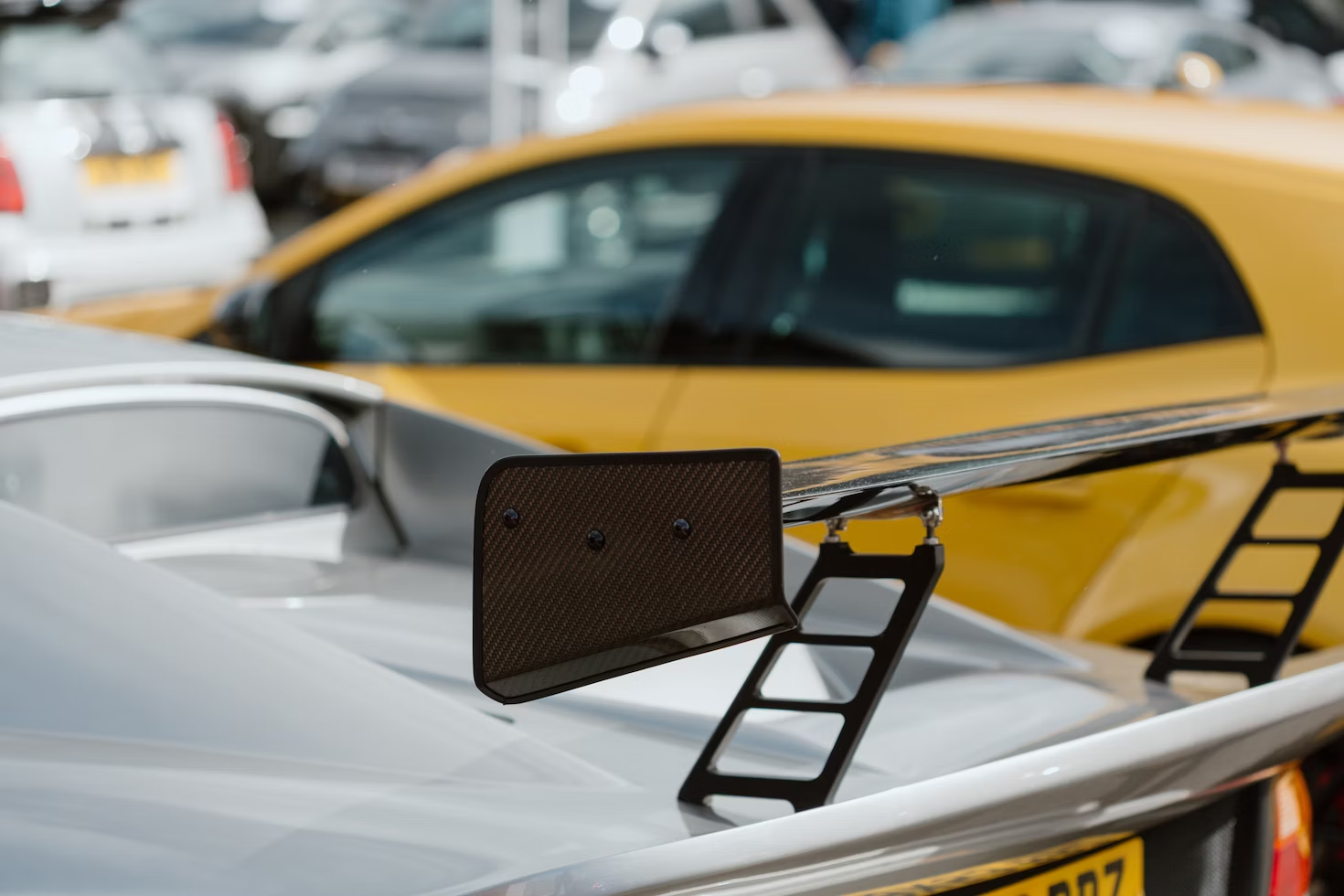
Initially, spoilers found their home on racing cars, sports cars, and supercars. Nowadays, they've become a ubiquitous sight on everyday vehicles. Slapping a spoiler on a car has evolved into one of the most famous and controversial modifications in the automotive world. Once an exclusive feature of high-performance vehicles, spoilers have made their way to everyday cars, often more for visual appeal than functionality. Sedans and hatchbacks, not just speed demons, proudly sport spoilers. But what purpose do these spoilers truly serve? Are they a mere cosmetic fad inspired by Hollywood blockbusters, or do they genuinely influence a car's performance and aerodynamics? Unfortunately, the reality is that spoilers do little to enhance the handling and aerodynamics of standard, run-of-the-mill cars.
However, when it comes to high-performance machines with a formidable horsepower, spoilers are a game-changer. For a spoiler to operate at peak efficiency, it should adorn vehicles where it genuinely makes sense. Many supercars and hypercars feature intricate spoiler designs that contribute to achieving the perfect equilibrium between power, handling, and braking prowess. For instance, the Pagani Huayra boasts a sophisticated four-flap active aero spoiler system that plays a pivotal role in braking, cornering, and maintaining high-speed stability. On the flip side, those oversized, often cringe-inducing aftermarket spoilers that grace vehicles barely breaking the 80 mph barrier serve as pure aesthetic embellishments.
Cars are, beyond doubt, one of the most visually captivating feats of engineering. However, over time, numerous seemingly pointless modifications have crept into the automotive realm, primarily aimed at enhancing visual aesthetics and individuality. The spoiler stands as a quintessential example. Initially designed as an intricately engineered aerodynamic element, it has now evolved into a bolt-on style statement for virtually any vehicle. In this discourse, we will shed light on the adverse impacts of equipping a spoiler on a car that lacks the requisites to harness its potential.
The Spoiler Formula: Aerodynamics and Fuel Efficiency
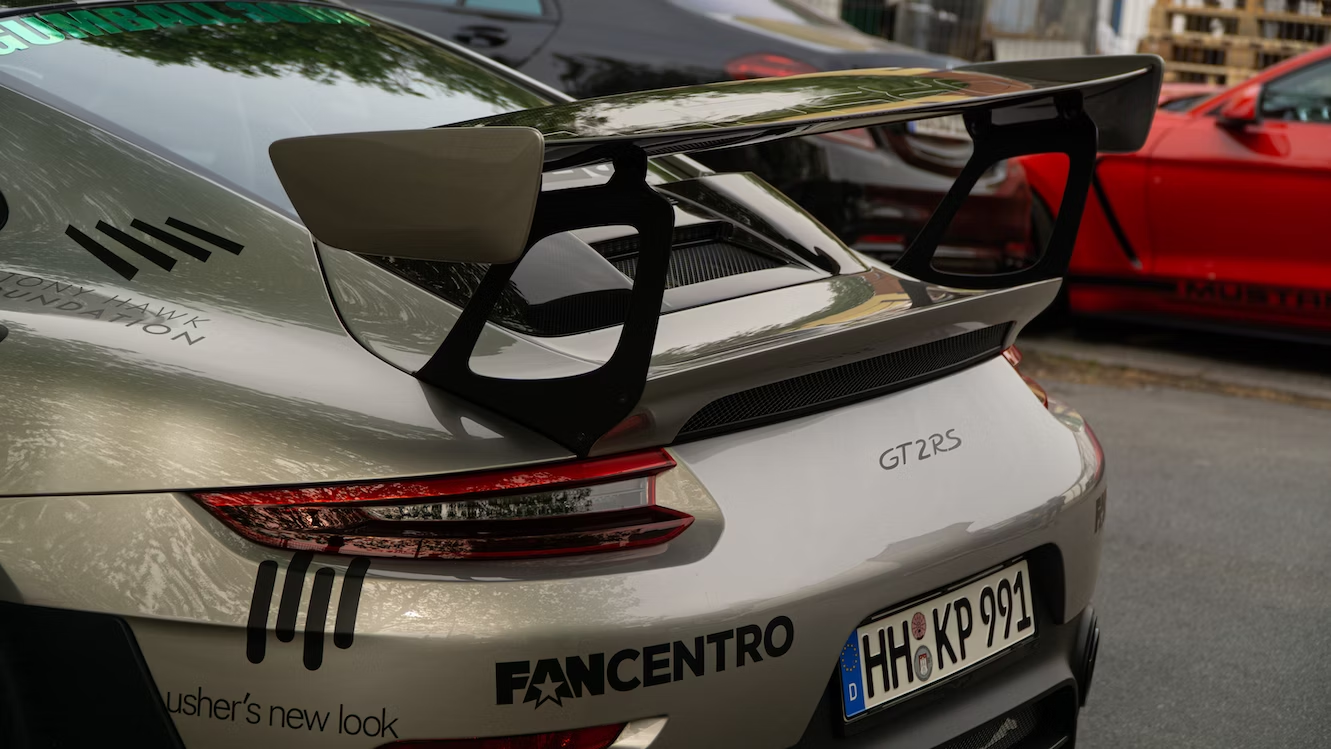
In the simplest terms, aerodynamics revolves around studying how air interacts with an object, particularly when that object is in motion. In the context of automobiles, the objective is to minimize drag, maintain controlled steering, and generate downforce at high speeds to enhance traction, thereby improving cornering capabilities.
One of the core functional facets of car design focuses on creating aerodynamic efficiency. This design approach streamlines airflow, mitigates drag, and ultimately reduces the engine's power demand, thus enhancing fuel efficiency.
How Do Spoilers Operate on Vehicles?
Spoilers, when correctly installed, serve multiple functions that align with the goals of aerodynamics, particularly in terms of generating additional downforce and improving steering in racing vehicles. In the absence of spoilers, a racing car relies solely on its weight to exert force on the wheels, securing grip on the road. If a high-speed vehicle is too light, it risks sliding away at top speeds.
However, adding excess weight to enhance grip adversely impacts speed and acceleration. Moreover, in situations demanding elevated grip levels, such as sharp turns, excess weight is more detrimental than advantageous. Automotive engineers have devised a superior solution to augment a car's grip on the race track. A well-crafted spoiler channels air upwards, pushing the vehicle downward and, in turn, increasing grip.
As the car accelerates, the spoiler's influence becomes more pronounced. Spoilers also introduce additional drag, which represents air's inherent resistance to the car's motion. Drag, generally, is undesirable. A poorly designed spoiler can either fail to produce significant downforce, rendering it ineffective, or generate excessive downforce, which paradoxically hampers the car's speed rather than enhancing it.
Some high-performance vehicles, like the McLaren F1, incorporate the concept of a "lift/drag ratio." Car engineers strive to optimize this ratio, achieving just enough downforce to facilitate high-speed cornering, without burdening the car with excessive drag that would hinder its performance.
The Impact of Spoilers on Everyday Cars
In summary, the influence of spoilers on everyday cars is rather negligible. Spoilers function optimally at high speeds, typically above 60 to 70 miles per hour. Ordinary four-cylinder family sedans seldom breach these speeds, and even if they do, street and highway conditions may not permit such velocity. This especially holds true for cornering, which represents the primary domain for which spoilers are designed.
Ordinary vehicles inherently possess a satisfactory balance of downforce and speed ratios, preventing undesirable lift and securing adequate grip during typical street driving. So, when someone proudly displays a custom spoiler on their 2002 Toyota Camry, you can confidently suppress that eye roll and preserve their moment of vehicular expression.
A Superior Modification for Everyday Cars
For those seeking to enhance their car's performance, several alternatives outshine the installation of a flamboyant spoiler. Incorporating a cold air intake into your vehicle, for instance, significantly elevates its performance. Colder air, denser than warm air, bolsters air intake into the engine, empowering it to generate increased torque and horsepower.
If improved performance is your goal, consider investing in better and wider tires, upgrading your brake discs, adding superchargers, or enhancing your vehicle's fuel system. These measures are far more rewarding than the installation of a spoiler, especially on everyday cars where the benefits of this iconic accessory remain elusive.