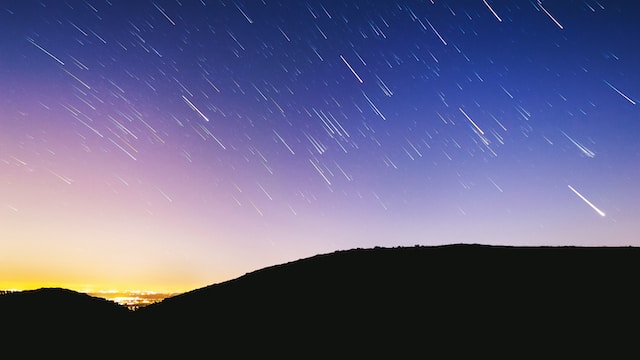
A meteor, a dazzling streak of light slicing through the night sky, captivates observers as it gracefully traverses the atmosphere. Originating from meteoroids, these celestial travelers offer a mesmerizing display that ranges from brief streaks to intense showers. In this exploration, we delve into the origins, types, and extraordinary occurrences of meteors, unveiling the celestial wonders that grace our night skies.
Meteoroids and Their Origins
Meteoroids, small rock or iron fragments orbiting the sun, find their genesis in asteroid collisions and the cosmic dance of comets. As comets orbit the sun, they shed dust and debris, contributing to the formation of these celestial wanderers.
Meteor's Fiery Entrance

When a meteoroid breaches Earth's upper atmosphere, it undergoes a fiery transformation due to friction with the air. This intense heat causes the surrounding gases to glow brightly, forming the luminous spectacle known as a meteor or, colloquially, a shooting star. Most meteors manifest in Earth's mesosphere, situated 50-80 kilometers (31-50 miles) above the planet's surface.
Diverse Colors and Compositions
Meteors exhibit a spectrum of colors determined by the chemical composition of the space rock and the atmospheric conditions. Iron-rich meteors may appear yellow, while those with high calcium content might display a purple streak across the night sky.
Meteorite Impact
An estimated 50 metric tons of meteors plummet to Earth daily, with the majority being pebble-sized and burning up in the atmosphere. The survivors, known as meteorites, impact Earth's surface, offering scientists valuable insights into the composition of these extraterrestrial visitors.
Types of Meteors
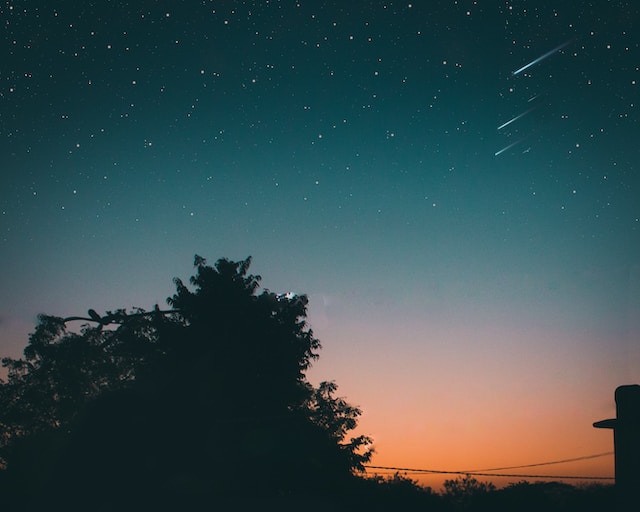
Metamorphosing in size, brightness, and proximity to Earth, meteors present distinct categories. Earthgrazers, skimming close to the horizon, paint the sky with lengthy, colorful tails. Fireballs, larger meteors resembling basketballs to small cars, captivate with brighter and more enduring illumination. Bolides, even more massive, can explode in the atmosphere, producing audible and palpable effects on the Earth's surface.
Superbolides and Their Impact
Among bolides, superbolides stand out for their extraordinary brightness and potential hazards. The 2013 Chelyabinsk meteor, a superbolide, exploded over Russia, emitting energy equivalent to 500 kilotons of TNT. Its shockwave caused widespread damage, prompting a reevaluation of the risks posed by such celestial events.
Meteor Showers
Meteor showers, celestial extravaganzas resembling heavenly fireworks, occur when Earth traverses the orbit of a comet. Comets, shedding particles in their wake, create dazzling displays as rocky debris collides with the atmosphere. Renowned showers like the Leonids, Perseids, Orionids, and Geminids grace the night sky annually, emanating from specific radiant points in constellations.
Conclusion
From the fiery entrance of meteors to the ethereal beauty of meteor showers, the celestial theater above us holds an array of captivating phenomena. As these cosmic wanderers paint streaks across the heavens, scientists and stargazers alike continue to unravel the mysteries of these extraterrestrial travelers, enriching our understanding of the vast cosmos that envelops our planet.