
Let's discover the impact of 4 seasons on trees!
Spring Effects on Trees:
Spring brings changes in environmental factors affecting trees:
Increased sunlight prompts leaf growth for photosynthesis.
Soil softens, retaining water, facilitating root expansion and growth.
In response, trees adapt by removing barriers and preparing for the growing season. Rising temperatures trigger bud and leaf growth, initiating chlorophyll production to repair winter damage and facilitate photosynthesis.
Summer Effects on Trees:
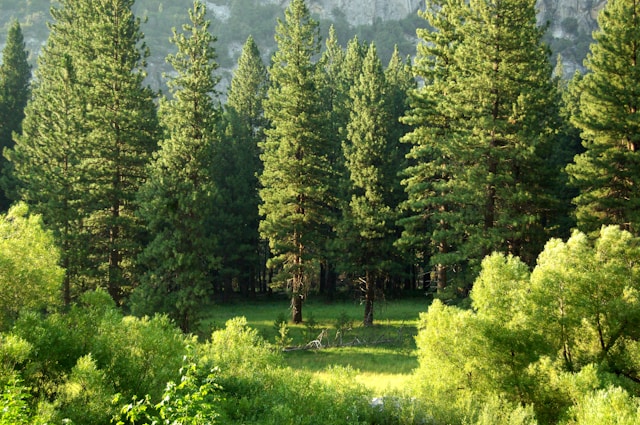
Summer poses specific challenges for trees:
High temperatures slow tree growth.
Increased pollution levels can poison trees and make them susceptible to disease.
To cope, trees reduce photosynthesis during the hottest periods, conserving energy as enzymes become less efficient. Low precipitation and soil moisture necessitate energy conservation for survival.
Autumn Effects on Trees:
Autumn brings unique environmental shifts impacting trees:
Reduced sunlight triggers leaf color change and shedding. Chlorophyll breakdown allows other pigments to become visible, resulting in vibrant foliage. Deciduous trees enter dormancy, shedding leaves while roots continue to grow, making it an optimal time for tree planting.
Winter Effects on Trees:

During winter, trees face various environmental challenges:
Storms: Strong winds can break branches, leaving wounds that serve as entry points for pathogens.
Snow and ice: Accumulation of snow and ice can weigh down branches, leading to breakage.
Dry air: Low humidity makes it challenging for trees to retain water.
To withstand these harsh conditions, trees undergo dormancy preparations before winter sets in. They produce hormones to combat dehydration and infuse cells with proteins acting as natural antifreeze to protect against freezing.
Deciduous trees develop a scar tissue layer (abscission zone) between leaves and branches, ensuring protection and facilitating safe leaf shedding.