What does the Medical Assistant Course Cover?
The Medical Assistant Course provides students with comprehensive skills training, covering both clinical and administrative aspects, to help students become professionals who can work independently in a medical environment. The following are the main contents that the course usually covers:
1. Clinical skills
● Vital sign measurement: Learn how to accurately measure and record patients' basic vital signs such as blood pressure, body temperature, pulse, respiratory rate, etc.
● Medication management: Understand the basic knowledge and usage of common drugs and how to prepare and provide drugs to patients.
● Sample collection and laboratory technology: Learn to collect samples such as blood and urine, and perform basic laboratory tests.
● Patient care: Assist doctors with routine examinations, medical procedures, and provide basic patient care.
● Injection and medication: Learn how to perform subcutaneous injections, intramuscular injections, etc. under the guidance of a doctor.
2. Administrative skills
● Medical record management: Learn how to manage patients' health records, including the use and maintenance of electronic medical records (EHR).
● Appointment scheduling and patient reception: Master how to schedule patient appointments, coordinate doctor schedules, and provide patient reception services.
● Medical billing and insurance processing: Understand the basic processing procedures of medical bills, insurance claims, and medical expense reimbursement.
●Medical regulations and ethics: Learn about laws and regulations related to the medical industry, such as HIPAA (Health Insurance Portability and Accountability Act) privacy protection, medical ethics, etc.
●Office management and communication: Develop daily medical office management skills, including document management, telephone answering, team communication and customer service.
3. Career development and certification
●Professional certification preparation: The course also includes training on how to prepare for relevant certification exams (such as CMA-Certified Medical Assistant exam).
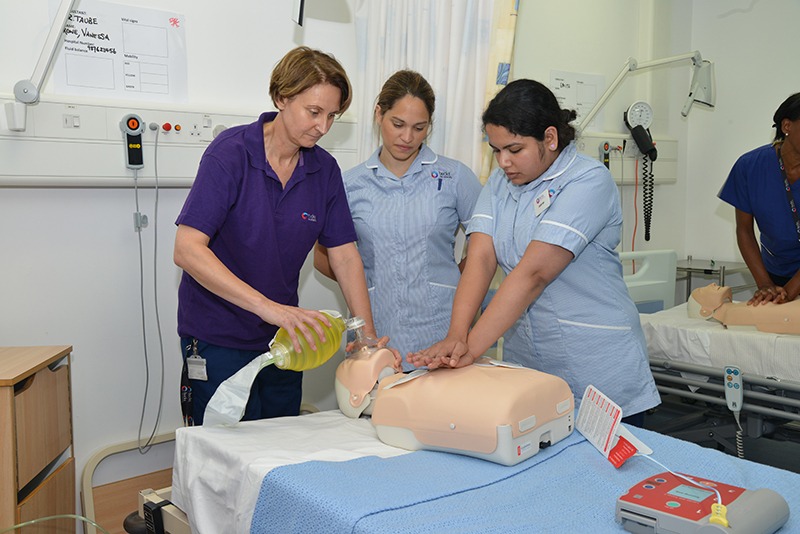
●Professional ethics and work environment adaptation: Through simulated situations, help students master the skills of communicating with patients, doctors and other staff in a medical environment.
4. Internship and practical experience
●Many courses will also arrange for students to conduct clinical internships in actual medical institutions, provide on-site operation opportunities, and help students accumulate real work experience.
Career Opportunities After Completing a Medical Assistant Program!
After completing a Medical Assistant program, graduates have numerous career opportunities in the healthcare industry. They can work in a variety of settings, including hospitals, private practices, urgent care centers, and outpatient clinics. Specialty fields such as pediatrics, cardiology, and orthopedics often require medical assistants, which provides them with the opportunity to work in a field that matches their personal interests. Medical assistants typically earn an average annual salary of around $35,000 to $40,000, with opportunities to increase income through experience and certification. For those interested in long-term career advancement, working as a medical assistant can serve as a stepping stone to a higher position, such as nursing or healthcare administration.
Benefits of Medical Assistant Programs
The benefits of Medical Assistant programs include providing comprehensive clinical and administrative skills training, enhancing students' career competitiveness and employment opportunities. The program helps students master key medical operation and office management skills, improve work efficiency, improve the quality of patient care, and open up diversified paths for career development. Through certification and internship experience, students can increase their income potential and enjoy stable job security and broad career prospects.