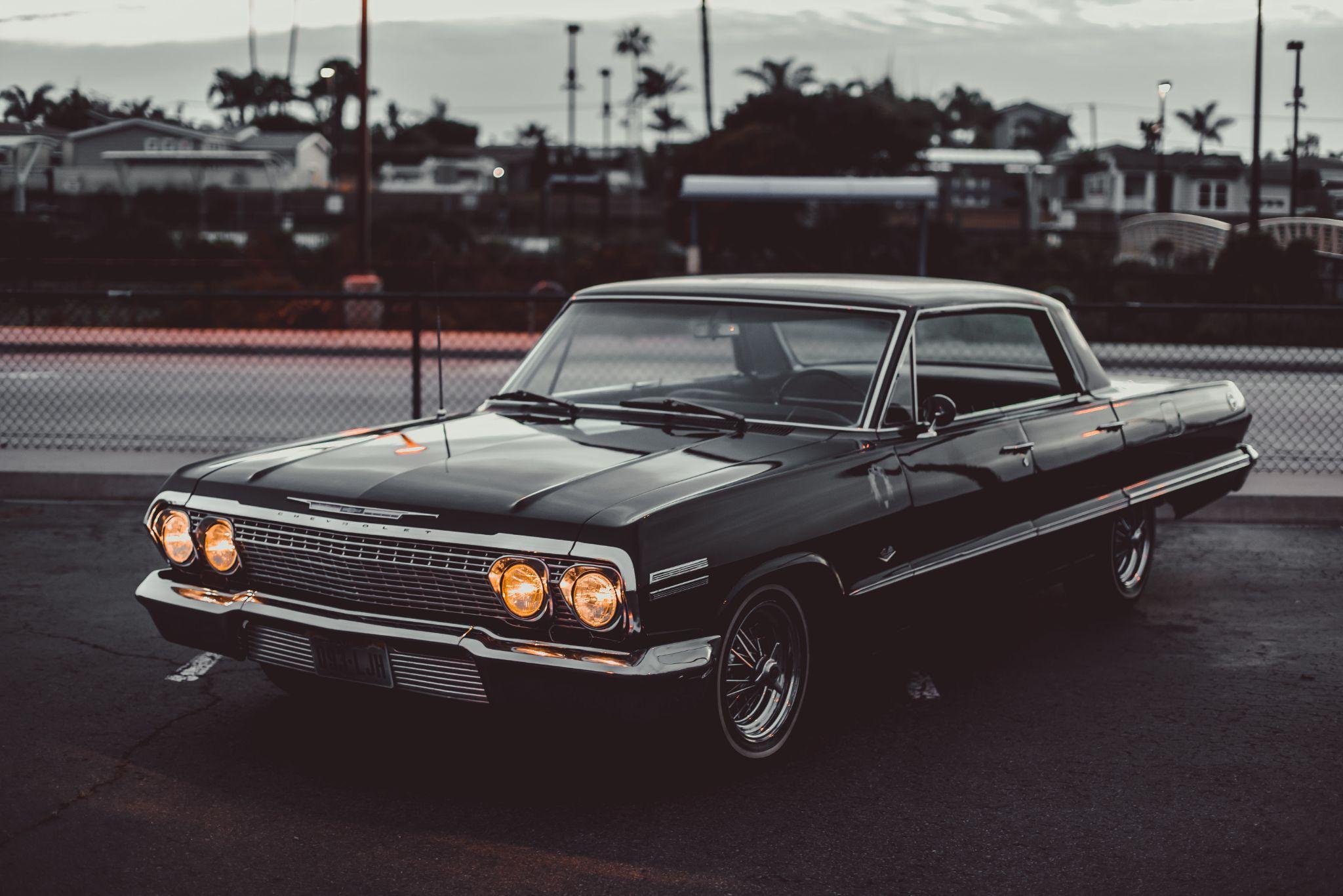
In the realm of automobiles, a question lingers: Why do people still harbor such fervent love for classic cars? In many instances, classic cars might be dismissed as outdated relics. As James May wittily quipped, "If they were any good, they'd still be made." Indeed, when compared to their modern counterparts, classic cars often appear as underwhelming. Modern vehicles boast superior speed, handling, reliability, comfort, cleanliness, safety, economy, and even affordability. They seem to outshine classics in nearly every conceivable aspect. Yet, against all odds, classic cars not only endure but thrive in today's world. Why is this?
The answer is multifaceted, composed of various interwoven factors.
The Art of Design
To begin with, consider the design of classic cars. These vehicles were conceived in an analog world where designers wielded pencils and paper to craft graceful shapes and fluid lines—a level of artistry that modern computer-based design software often struggles to emulate. The curves of a Jaguar XK120's front wing or the silhouette of a Ferrari 250 GTO exemplify this beauty. These designs, while exquisite, are shapes contemporary designers would seldom conjure. Often, the metal framework underpinning the prototype's bodywork left a lasting impression on the car's final form.
These designs belong to a bygone era, a time when designers were unhindered by constraints like crash tests or aerodynamic coefficients, enabling them to create shapes reflecting the spirit and trends of their time.
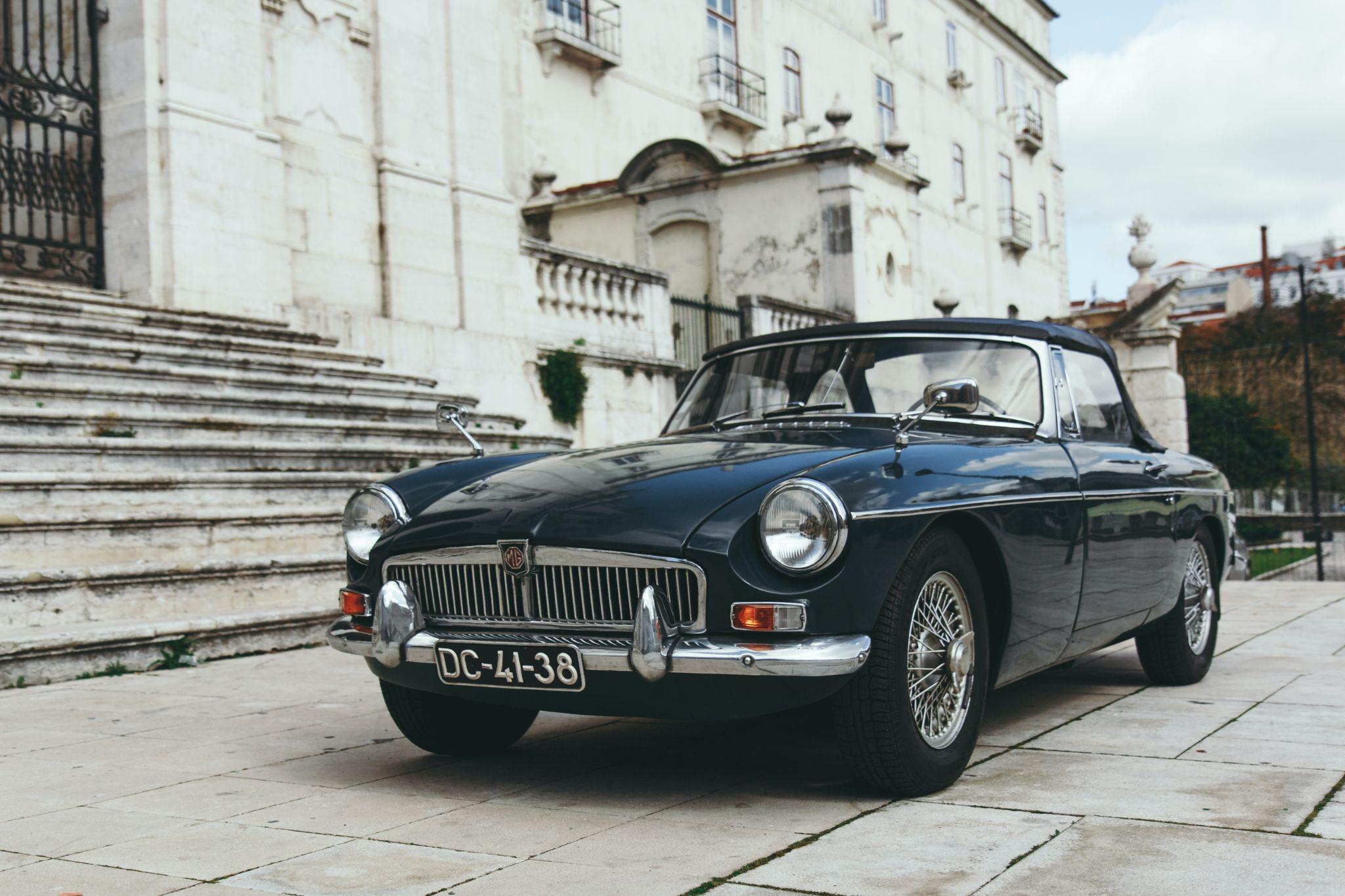
Craftsmanship vs. Mass Production
Modern production techniques have stripped new cars of much of their character. Mass production has become a robotic, soulless operation focused solely on meeting efficiency and profit targets, relentlessly churning out identical parts around the clock.
In contrast, classic car production relied on a manual process, where skilled craftsmen, armed with rudimentary tools and decades of experience, meticulously shaped panels by hand and eye. The fruits of their labor, solid and enduring, have weathered the tests of time. Not every classic car is a paragon of this craftsmanship, of course; some were poorly designed and constructed with even less care. Yet, it's precisely this distinction that separates classic cars from their mere "old" counterparts.
Mechanical Distinction
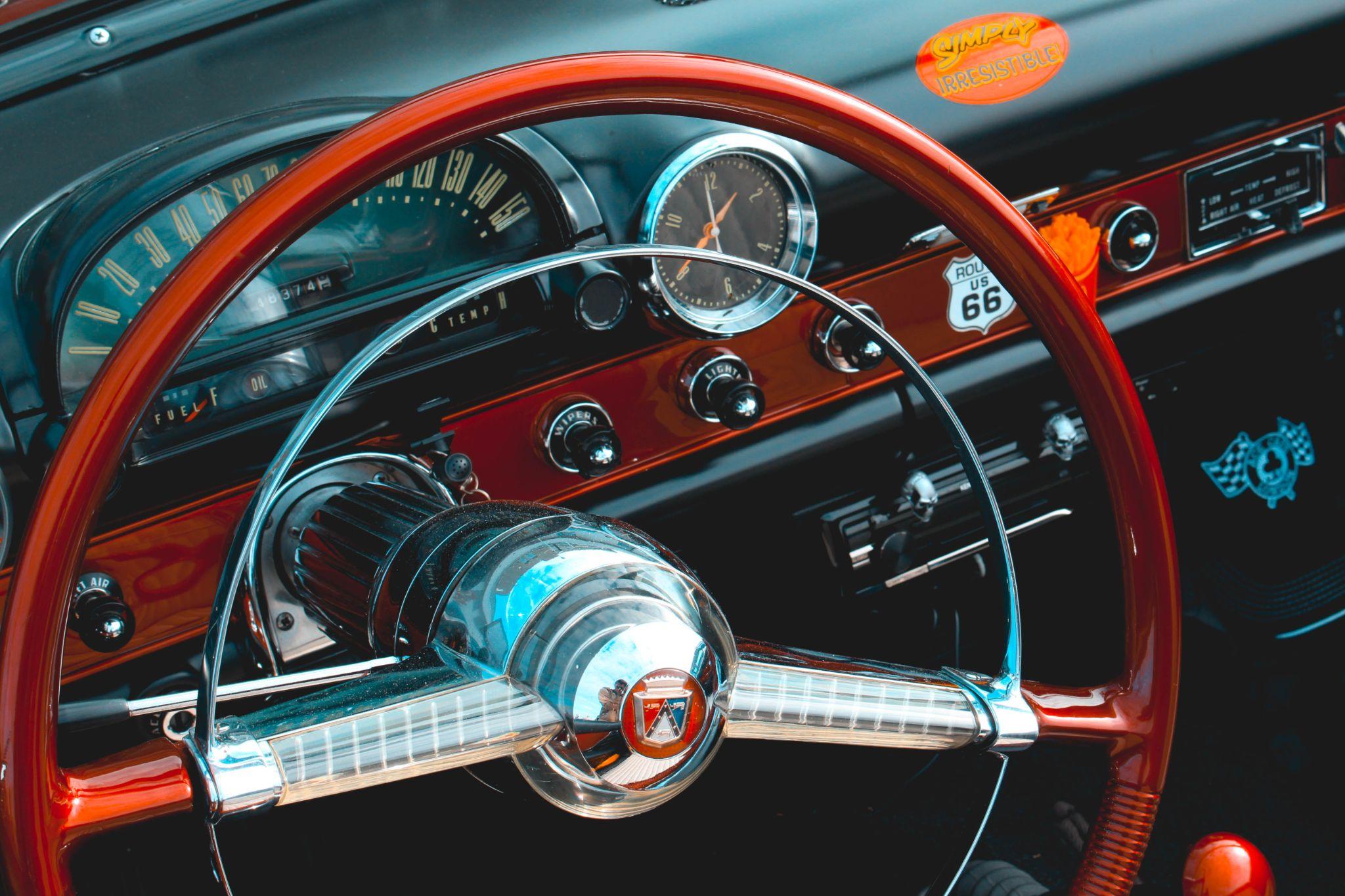
In terms of mechanics, modern and classic cars diverge significantly. Contemporary vehicles are, in essence, sealed units with largely inscrutable components for the average person. Most elements are controlled by a central electronic brain, which processes driver inputs through systems like drive-by-wire throttles, traction control, electric steering, electronic clutches, torque vectoring systems, ABS, and more. While these systems enhance efficiency and safety, they often dilute a car's character.
In contrast, older machines are intricate mechanical systems composed of hundreds or thousands of individual parts, harmoniously fine-tuned to work together. The driver becomes a direct extension of the machine, relaying inputs and receiving unfiltered feedback through the controls, resulting in an authentic experience beyond the reach of their modern equivalents.
Driving a classic car requires substantial manual involvement, from manually adjusting the fuel-to-air mixture with the choke to selecting gears and regulating power delivery through the clutch. These actions demand precise execution to both optimize engine and transmission performance and preserve the longevity of aging components. While more challenging than the modern car's electronic ease, this manual engagement imparts greater satisfaction and fulfillment.
For classic car enthusiasts, the journey itself is the destination, as the act of driving these vintage marvels becomes a celebration of human-machine synergy.
Nostalgia and Heritage
Nostalgia also plays a pivotal role in the allure of classic cars. Each classic vehicle carries a unique history, be it remarkable or mundane. Some have ventured into greatness, competing and triumphing in races, expeditions, or endurance challenges. Others have navigated the complexities of everyday life, becoming integral to their owner's stories. Classic cars were liberators, bestowing mobility and freedom in an era when such qualities were a rarity. They bore witness to monumental life events, forever intertwining their journeys with those of their owners.
Classic cars are repositories of stories and experiences, each scratch and scuff recounting a chapter in their tale. While some might perceive these imperfections as blemishes, aficionados of classic cars view them as the car's history, adding character and recording the passage of time. Automobile manufacturers often emphasize the pedigree and heritage of their brands, but classic cars are the living artifacts that truly define that heritage, cementing the brand's legacy.
Embracing Individualism
Modern car ownership has become increasingly accessible. Yet, classic cars are no longer in production, rendering them inherently exclusive. This exclusivity is further augmented by the effort required to acquire, maintain, and cherish them. Classic car enthusiasts venture down this path as a testament to their passion and dedication. A vibrant culture surrounds classic cars, encompassing classic rallies, road trips, historic racing, and classic car shows. These events offer a platform for owners to showcase not only their cars but also their personalities and tastes.
Purchasing a modern car often implies an ownership period lasting a few months to a handful of years before upgrading to the latest model. In contrast, classic car owners see themselves as custodians of a living piece of history, with the cars outlasting their tenure. A profound sense of responsibility accompanies classic car ownership, where one becomes part of a legacy that extends beyond personal ownership.
A Timeless Appeal
In the grand scheme of things, while new cars continue to advance in terms of efficiency and speed, classic cars operate on an entirely different level. It's not merely about function, but about the experience, style, exclusivity, and craftsmanship—qualities that transcend time and boundaries. Classic cars resonate not only with automobile enthusiasts but also with those who appreciate engineering, design, art, and history.
This enduring passion for classic cars showcases why these beloved vehicles will continue to hold a special place in the hearts of enthusiasts, bridging past, present, and future.