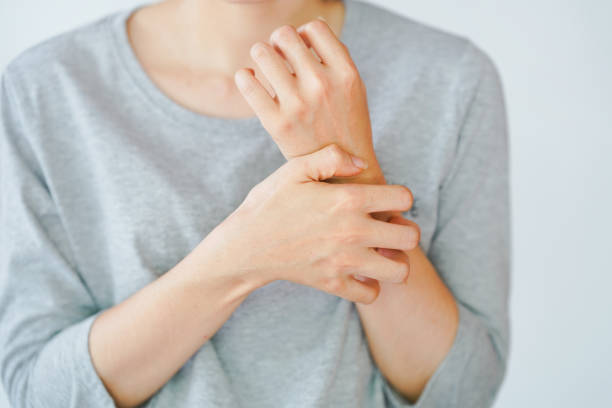
How does psoriasis skin disease occur?

Genetics: About 80% of psoriasis risk can be attributed to genetics. Over 60 genes linked to psoriasis influence immune function and skin development, as found in a study published in the Journal of Investigative Dermatology.

Environment: Environmental factors like stress, skin injuries, and infections can trigger or worsen symptoms. Stress is reported as a trigger for up to half of psoriasis patients by the National Psoriasis Foundation.

Lifestyle: Choices such as smoking and excessive alcohol intake can heighten the risk of developing psoriasis. A study in the Journal of the American Academy of Dermatology reveals that smokers are nearly twice as likely to develop psoriasis.

Medications: Certain drugs like lithium, beta-blockers, antimalarials, and NSAIDs may exacerbate psoriasis symptoms in some individuals.

Obesity: Particularly in women, obesity poses a risk. Research in the Journal of Investigative Dermatology indicates that women with a BMI of 30 or higher have a 63% increased risk of psoriasis compared to those with a lower BMI.

Deficiencies: Low levels of vitamin D might contribute to psoriasis. Studies suggest that those with psoriasis tend to have lower vitamin D levels, but more research is needed for a comprehensive understanding.

In summary, plaque psoriasis is a multifaceted condition influenced by genetics, immune responses, environmental triggers, lifestyle choices, and potential nutrient deficiencies. While it cannot be cured, effective management through suitable treatments and lifestyle adjustments is possible. Seeking guidance from healthcare professionals is vital for precise diagnosis and personalized treatment plans.