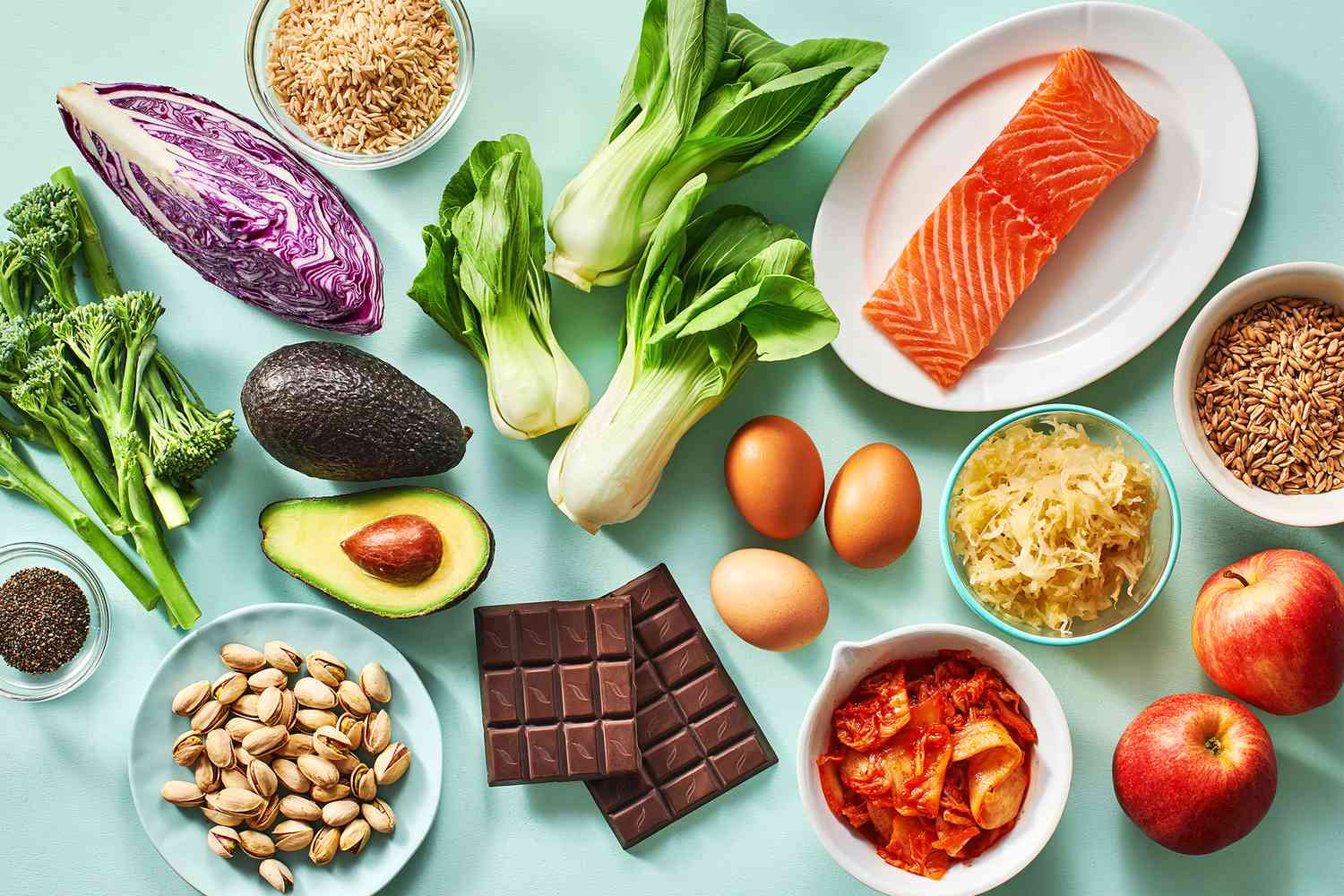
Weight loss secrets: a simple and effective diet
Obesity is a major public health issue in the United States, affecting nearly 40% of adults. The condition increases the risk of diseases such as heart disease, diabetes, and certain cancers. Obesity affects both individuals and society, leading to chronic health problems and rising healthcare costs. To improve public health, adopting a healthier diet and lifestyle is essential.

Why Weight Loss Is Important

Weight loss can improve your health and quality of life. By shedding excess pounds, you can reduce your risk of serious health problems such as high blood pressure, diabetes, and cardiovascular disease. It can also boost energy levels, increase your ability to be physically active, and improve your mental health, which can lead to greater confidence and overall well-being.

Effective Diet Plans for Sustainable Weight Loss

Weight loss doesn’t require extreme measures or starvation. With a scientific approach to diet, you can lose pounds while enjoying balanced, nutritious meals. Here are a few examples of practical, easy-to-follow diets:

Mediterranean Diet

This diet focuses on healthy fats, lean proteins, and plenty of fruits and vegetables. It’s known to be good for heart health and aids in weight loss.

Breakfast: Greek yogurt with mixed berries, walnuts, and a little honey.

Lunch: Grilled chicken salad with assorted vegetables, cherry tomatoes, cucumbers, olives, and an olive oil dressing.

Dinner: Grilled salmon with quinoa and a serving of steamed vegetables (such as broccoli or zucchini).

Low-Carb Diet

A low-carb diet cuts out sugars and starches and focuses on protein and healthy fats. This helps control insulin levels and promotes fat burning.

Breakfast: Scrambled eggs with spinach and avocado, with cucumber slices.

Lunch: Turkey lettuce wraps with avocado, tomatoes, and mustard or olive oil dressing.

Dinner: Grilled steak with roasted cauliflower and sautéed kale.

Intermittent fasting (16/8 method)

This method requires fasting for 16 hours (usually overnight) and eating within an 8-hour window. It's a simple way to reduce your overall calorie intake while allowing for flexibility in meal timing.

Fasting window: Fast for 16 hours (for example, from 8 p.m. to 12 p.m. the next day).

Eating time: 12 p.m. to 8 p.m.

Lunch: Grilled chicken with mixed vegetables and a small amount of quinoa.

Snack: A handful of almonds or a piece of fruit.

Dinner: Grilled chicken or fish with a baked sweet potato and steamed asparagus.

Plant-based diets

Plant-based diets focus on whole plant foods, such as fruits, vegetables, whole grains, legumes, and nuts. Plant-based diets are nutritious, low in calories, and great for weight loss and overall health.

Breakfast: Oatmeal with almond butter, chia seeds, and banana slices.

Lunch: Lentil salad with cucumber, tomato, red onion, and olive oil dressing.

Dinner: Broccoli, bell pepper, and brown rice scrambled tofu.

DASH diet (Dietary Approaches to Stop Hypertension)

Originally designed to lower blood pressure, the DASH diet focuses on reducing sodium intake while increasing potassium-rich foods. It is good for weight loss, heart health, and overall health.

Breakfast: Whole-wheat toast, avocado, and hard-boiled eggs.

Lunch: Whole-wheat pita with hummus, cucumber, tomato, and leafy greens.

Dinner: Grilled chicken with quinoa, steamed broccoli, assorted beans.

By incorporating these eating plans into your daily life, you can take a step toward healthier eating and sustainable weight loss.

Conclusion

Weight loss doesn't need to be extreme or difficult. By following a balanced, science-based eating plan, you can achieve sustainable results while still enjoying delicious food. The key is to stick with it and make healthy choices. Start today and take the first step towards a healthier, more energetic future.

Trending Now
|
Weight loss secrets: a simple and effective diet
Obesity is a major public health issue in the United States, affecting nearly 40% of adults. The condition increases the risk of diseases such as heart disease, diabetes, and certain cancers. Obesity affects both individuals and society, leading to chronic health problems and rising healthcare costs. To improve public health, adopting a healthier diet and lifestyle is essential.

Why Weight Loss Is Important

Weight loss can improve your health and quality of life. By shedding excess pounds, you can reduce your risk of serious health problems such as high blood pressure, diabetes, and cardiovascular disease. It can also boost energy levels, increase your ability to be physically active, and improve your mental health, which can lead to greater confidence and overall well-being.

Effective Diet Plans for Sustainable Weight Loss

Weight loss doesn’t require extreme measures or starvation. With a scientific approach to diet, you can lose pounds while enjoying balanced, nutritious meals. Here are a few examples of practical, easy-to-follow diets:

Mediterranean Diet

This diet focuses on healthy fats, lean proteins, and plenty of fruits and vegetables. It’s known to be good for heart health and aids in weight loss.

Breakfast: Greek yogurt with mixed berries, walnuts, and a little honey.

Lunch: Grilled chicken salad with assorted vegetables, cherry tomatoes, cucumbers, olives, and an olive oil dressing.

Dinner: Grilled salmon with quinoa and a serving of steamed vegetables (such as broccoli or zucchini).

Low-Carb Diet

A low-carb diet cuts out sugars and starches and focuses on protein and healthy fats. This helps control insulin levels and promotes fat burning.

Breakfast: Scrambled eggs with spinach and avocado, with cucumber slices.

Lunch: Turkey lettuce wraps with avocado, tomatoes, and mustard or olive oil dressing.

Dinner: Grilled steak with roasted cauliflower and sautéed kale.

Intermittent fasting (16/8 method)

This method requires fasting for 16 hours (usually overnight) and eating within an 8-hour window. It's a simple way to reduce your overall calorie intake while allowing for flexibility in meal timing.

Fasting window: Fast for 16 hours (for example, from 8 p.m. to 12 p.m. the next day).

Eating time: 12 p.m. to 8 p.m.

Lunch: Grilled chicken with mixed vegetables and a small amount of quinoa.

Snack: A handful of almonds or a piece of fruit.

Dinner: Grilled chicken or fish with a baked sweet potato and steamed asparagus.

Plant-based diets

Plant-based diets focus on whole plant foods, such as fruits, vegetables, whole grains, legumes, and nuts. Plant-based diets are nutritious, low in calories, and great for weight loss and overall health.

Breakfast: Oatmeal with almond butter, chia seeds, and banana slices.

Lunch: Lentil salad with cucumber, tomato, red onion, and olive oil dressing.

Dinner: Broccoli, bell pepper, and brown rice scrambled tofu.

DASH diet (Dietary Approaches to Stop Hypertension)

Originally designed to lower blood pressure, the DASH diet focuses on reducing sodium intake while increasing potassium-rich foods. It is good for weight loss, heart health, and overall health.

Breakfast: Whole-wheat toast, avocado, and hard-boiled eggs.

Lunch: Whole-wheat pita with hummus, cucumber, tomato, and leafy greens.

Dinner: Grilled chicken with quinoa, steamed broccoli, assorted beans.

By incorporating these eating plans into your daily life, you can take a step toward healthier eating and sustainable weight loss.

Conclusion

Weight loss doesn't need to be extreme or difficult. By following a balanced, science-based eating plan, you can achieve sustainable results while still enjoying delicious food. The key is to stick with it and make healthy choices. Start today and take the first step towards a healthier, more energetic future.

Trending Now