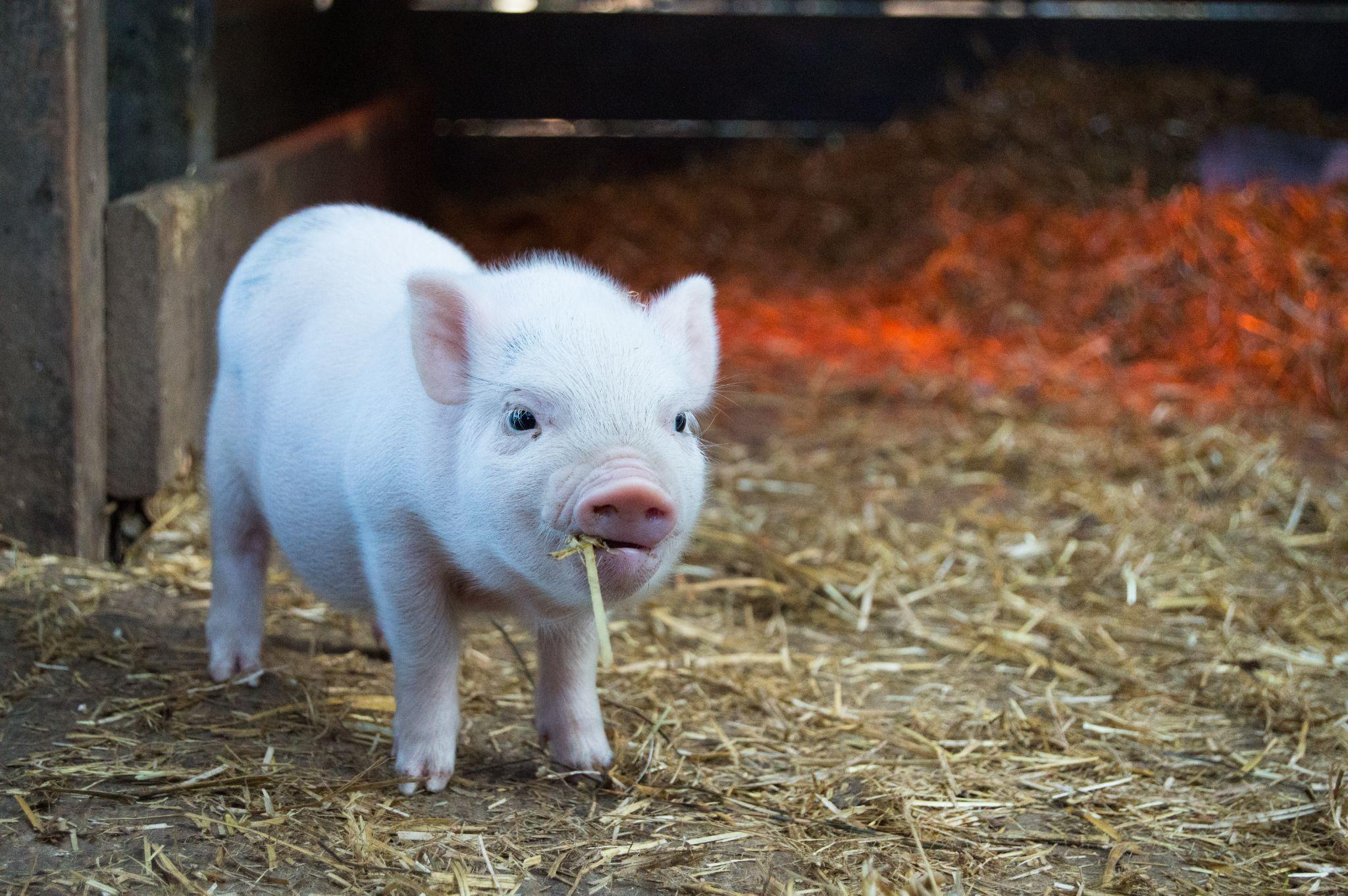
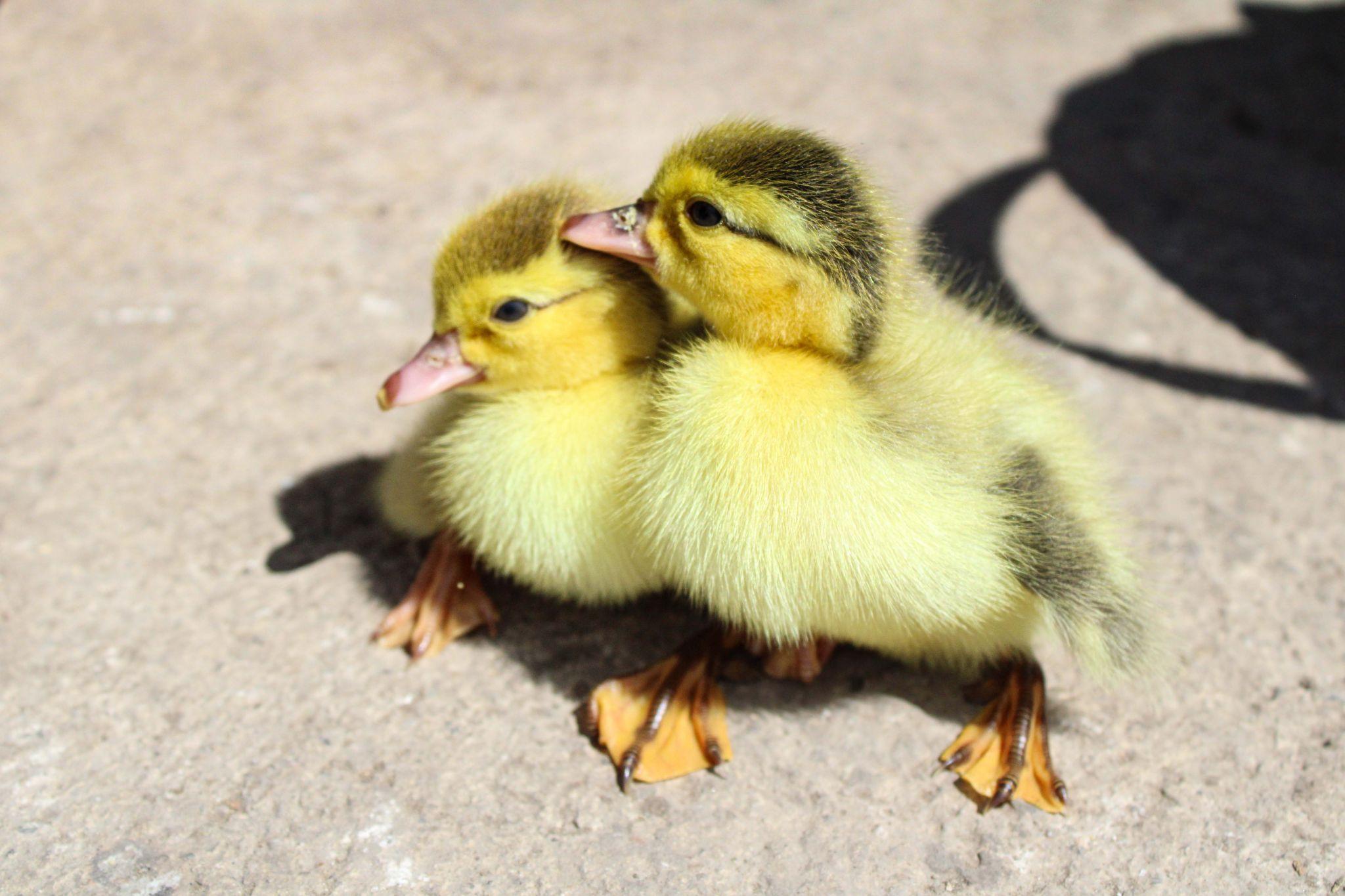
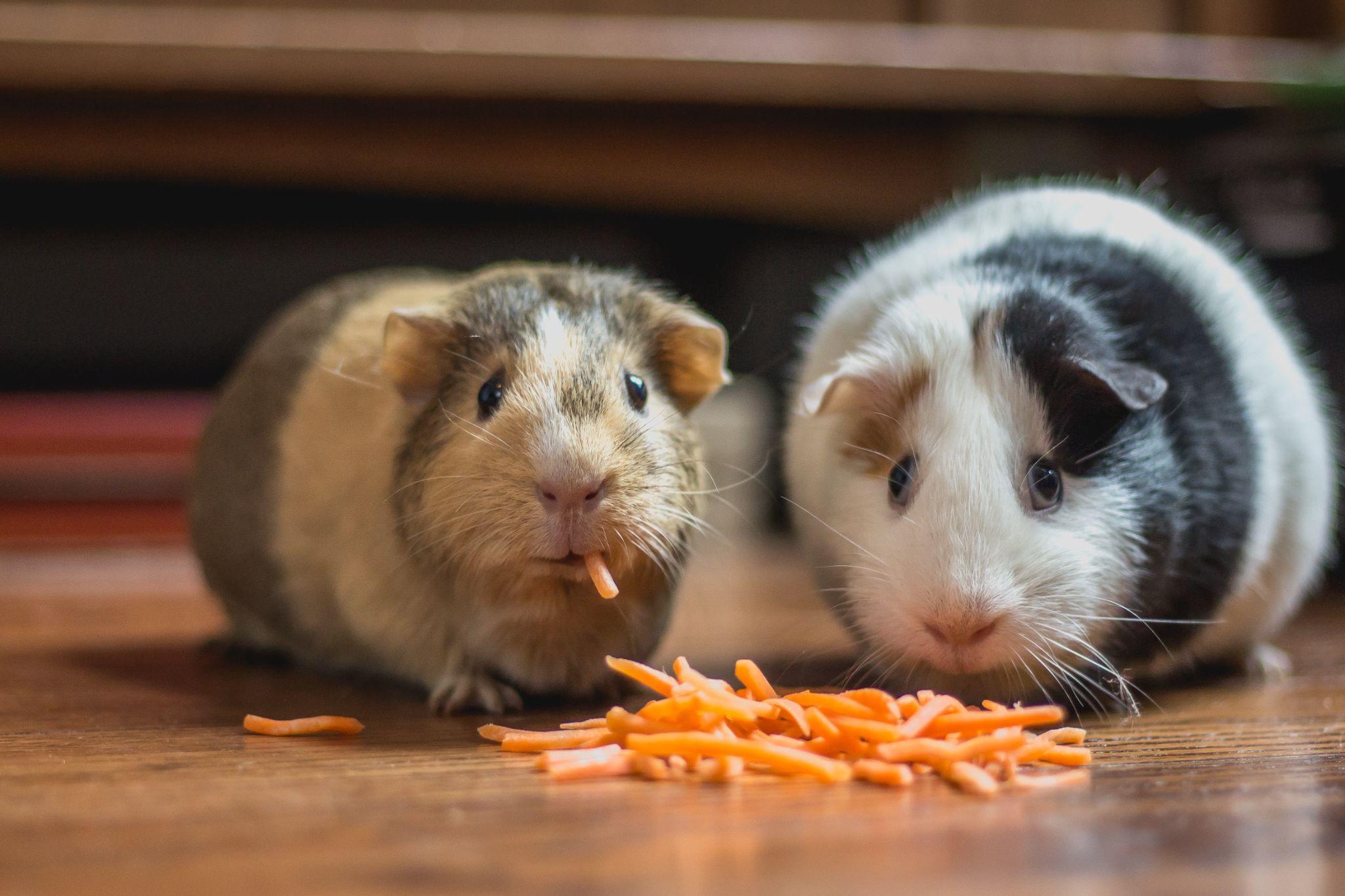
Recent findings from the University of Leeds in England demonstrate that observing cute animals can effectively reduce stress levels among humans. What's even more fascinating is that the therapeutic effects extend beyond the physical presence of these charming creatures.
In partnership with Tourism Western Australia, the University of Leeds embarked on an exploration of the physiological and psychological impact of "cute" animals on both students and staff within the academic institution.
The study involved 19 participants, each of whom was tasked with watching a 30-minute slideshow. This presentation featured a delightful array of animal images and short video clips, including the endearing Australian marsupial, the quokka.
Remarkably, 15 out of the 19 participants were scheduled to take an exam just 90 minutes after their session with the slideshow. Meanwhile, the remaining four participants were members of the academic support staff who had candidly expressed experiencing workplace-related stress.
Following the viewing of these adorable animal images and videos for a mere 30 minutes, the heart rates of every single participant notably decreased. The average blood pressure across all participants also exhibited a substantial drop, shifting from 136/88 to a healthier 115/71 range, firmly within the ideal blood pressure zone.
To further gauge the impact of this intervention, the participants were required to respond to 20 questions designed to assess their stress levels, using the State-Trait Anxiety Inventory. The results were astonishing, with individual cases showing a remarkable reduction of almost 50% in anxiety levels. This empirical evidence affirms that watching cute animals serves as a potent stress alleviator and mood enhancer.
In fact, across all measured parameters, there was a notable decrease in anxiety and stress levels following exposure to the short but delightful slideshow.
The study also prompted an intriguing question: Is it more effective to experience images of cute animals, watch videos, or have direct contact with real animals? Dr. Andrea Utley, the lead researcher, offered insights, stating, "It would appear that images have an impact, but video clips provide a deeper connection, and I would, therefore, anticipate that physical proximity [with animals] would yield even more pronounced benefits."
Originally, there were plans for eight sessions in total; however, due to the pandemic, the remaining sessions have been postponed. Nevertheless, Dr. Utley is actively exploring online alternatives to ensure the continuation of this promising study.