In the intricate tapestry of nature, certain relationships have flourished over millions of years, resulting in mutualistic bonds that prove advantageous for all parties involved. One such harmonious connection is observed in the interactions between plants and insects, where mutualism takes shape in various forms—protection, pollination, and seed dispersal.
Protection: A Mutual Haven
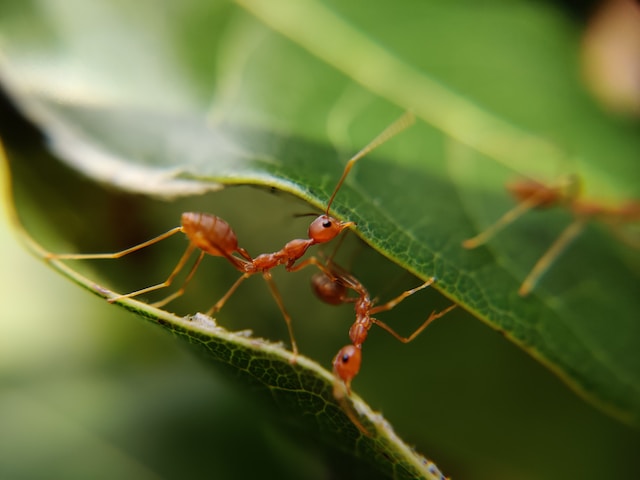
Among the most intriguing alliances is the enduring partnership between plants and ants. Evolving over extensive periods, this association has birthed a category known as myrmecophytes, or "ant-plants." Over 100 myrmecophyte species showcase specialized structures called domatia, offering ants shelter and sustenance. Noteworthy is the Acacia tree, boasting enlarged thorns that serve as domiciles for ants. The tree reciprocates by providing sweet sap as nourishment. In a dynamic exchange, the ant colony fiercely shields the Acacia from herbivores, deploying sharp mandibles against intruders. Azteca ants, a prominent example, not only protect the tree but also enhance its well-being by clearing debris from leaves and thwarting the encroachment of foreign plants.
Pollination: Nature's Collaborative Effort
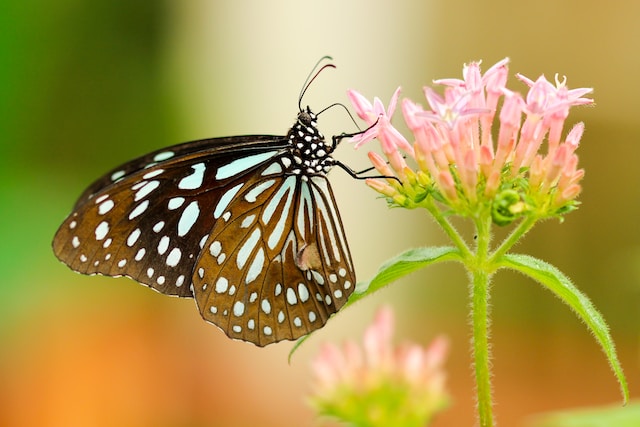
The art of pollination, vital for plant reproduction, witnesses intricate collaborations between flora and fauna. While wind pollination suits certain plants, many rely on animals to achieve precision in the process. Birds, such as hummingbirds, and even rats play roles in pollination, yet the predominant contributors are insects. This alliance unfolds as plants offer nectar and pollen, attracting insects like bees and butterflies. The insects inadvertently transfer pollen between flowers, ensuring the genetic diversity of plant species.
Seed Dispersal: A Strategic Endeavor
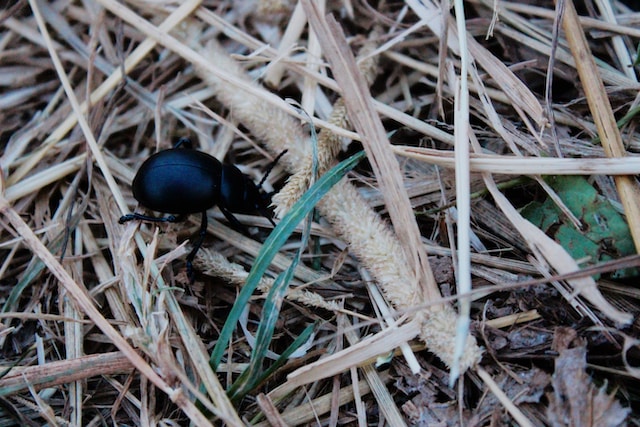
While less common than animal-mediated seed dispersal, the relationship between plants and insects in this context unveils intriguing dynamics. A standout example involves the humble dung beetle, renowned for its meticulous dung-rolling endeavors. In South Africa, researchers unveiled a captivating partnership between the dung beetle and the Ceratocaryum argenteum plant. The plant's seeds mimic antelope dung in appearance and scent, cleverly deceiving dung beetles into rolling them away. In this collaborative effort, the beetles inadvertently aid the plant in colonizing new territories.
These symbiotic relationships, characterized by specialization and reciprocity, beckon further exploration and discussion. Many of these intricate partnerships crucial for pollination unfold in the everyday landscapes of gardens and fields, showcasing the intricate dance of nature's cooperative symphony.