Cappuccino Art vs Latte Art: A Detailed Insight
Dive into coffee artistry—each cup, a canvas, paints moments with unparalleled richness.

Are you a coffee enthusiast who appreciates the beauty of latte and cappuccino art? This post delves into the intricacies of these classic coffee drinks, exploring the techniques, tools, and creativity involved in crafting stunning latte and cappuccino art. Let's take a closer look at the artistry behind these beloved coffee beverages!

Cappuccino Art Vs Latte Art: An Overview

Origins of Cappuccino and Latte Cappuccino and latte, both espresso-based beverages, trace their roots back to Italy. A cappuccino blends equal parts espresso, steamed milk, and milk foam, offering a rich and creamy flavor. Its name is inspired by the brown robes worn by Capuchin monks. On the other hand, the latte boasts a higher proportion of steamed milk, resulting in a smoother drink with a more subdued espresso taste.

Key Differences The primary distinction between cappuccino art and latte art lies in the techniques and visual appearance. Cappuccino art focuses on patterns in the thicker foam layer, allowing for raised and sculptural designs. Latte art, encompassing designs like hearts and rosettas, is created within the milk or foam. Baristas need a steady hand and practiced skills for either type of art.

Why Art Matters Coffee art not only enhances the visual appeal of espresso drinks but also showcases a barista's skill and attention to detail. It adds an extra layer of enjoyment for coffee enthusiasts and elevates the overall customer experience, turning a simple coffee run into a memorable event.

Ingredients and Proportions
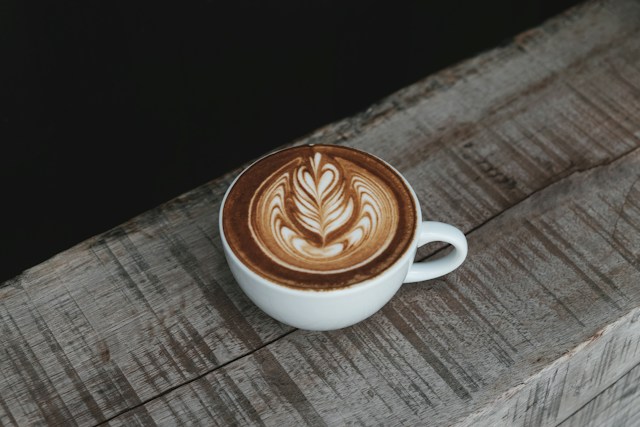
Espresso Both cappuccino and latte art rely on a foundation of espresso. This concentrated, flavorful shot, created by forcing hot water through finely ground coffee, provides the bold coffee flavor characteristic of these beverages.

Milk and Foam Crucial elements in cappuccinos and lattes, steamed milk and foam differ in quantity and texture. Cappuccinos feature a higher proportion of foam, resulting in a thicker, airier texture. Lattes, with more steamed milk, offer a creamier consistency.

Ratio Differences The key distinction lies in the ingredient ratio. Cappuccinos have equal parts espresso, steamed milk, and foam (1:1:1), providing a stronger espresso flavor. Lattes, with a ratio of 1:2 (espresso to steamed milk), deliver a milkier and richer taste.

Taste and Texture

Flavor Profiles Cappuccino art highlights the rich and velvety foam, emphasizing layered complexity. The espresso flavor shines through, complemented by the subtle sweetness of the foam. Latte art, with a focus on the espresso-milk combination, offers a smoother, creamier taste, ideal for those preferring milder coffee drinks.

Mouthfeel Cappuccinos boast a thick layer of frothy foam, creating a rich, velvety texture. Latte art, with its silkier texture from higher milk content, suits more fluid-like designs. Both beverages contain approximately 173 mg of caffeine per 16-ounce serving, with sugar content varying based on milk type and additives.

Design and Creativity

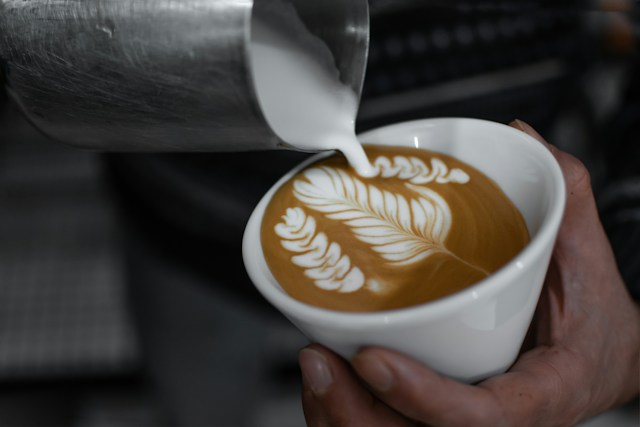
Latte Art Techniques Latte art involves the aesthetic blend of milk froth and espresso, created by pouring steamed milk into espresso. Techniques include free pouring (organic patterns like hearts and rosettas) and etching (using tools for intricate designs).

Cappuccino Art Techniques Similar to latte art, cappuccino art focuses on crafting designs on the foam layer atop the cappuccino. Techniques include dusting (adding powder-like toppings), layering (adding textural variations), and sculpting (creating three-dimensional shapes).

Tools and Stencils Specialized tools like steam pitchers, thermometers, pouring jugs, spatulas, knives, pointed tools, and stencils contribute to crafting beautiful latte and cappuccino art.

Popular Variations

Macchiato A macchiato involves adding a small amount of foamed milk to an espresso shot, emphasizing the contrast between dark espresso and light milk foam. While designs are less common, the artistry lies in the visual interplay of colors.

Flat White Originating from Australia and New Zealand, the flat white combines a double espresso shot with microfoamed milk for a smooth, velvety texture. While designs are subtle, the even layer of milk foam contributes to the visual appeal.

Latte Macchiato This Italian variation involves pouring espresso over steamed milk, creating distinct layers. Pouring techniques can result in interesting patterns, and the layered appearance enhances visual appeal.

Impact on Coffee Culture and Trends

Influence of Social Media Social media platforms like Instagram and Facebook have played a pivotal role in popularizing cappuccino and latte art globally. These visually appealing creations showcased online have inspired both baristas and coffee enthusiasts, contributing to the demand for beautifully decorated beverages.

Rise in Demand for Specialty Drinks Cappuccino and latte art have become integral to the specialty coffee experience, emphasizing the artistry and skill involved. Baristas are expected not only to brew excellent coffee but also to create stunning foam designs, enhancing the overall customer experience.

Expert Tips and Tricks
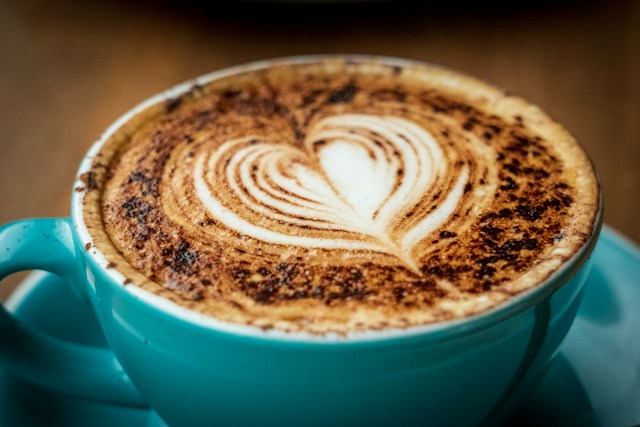
High-Quality Coffee Beans Using fresh, high-quality coffee beans ensures a rich crema, a golden-brown froth on the espresso's surface that adds sweetness and visual appeal.

Silky Textured Milk Steaming milk to a silky texture is crucial for creating intricate designs. Achieving the right pour height and flow helps control foam placement.

Continuous Learning Participating in barista workshops, watching online tutorials, and learning from experienced professionals contribute to mastering cappuccino and latte art.

Conclusion

As cappuccino and latte art continue to captivate coffee enthusiasts worldwide, the combination of craftsmanship, creativity, and visual appeal remains at the forefront of modern coffee culture. Whether you're a barista aiming for perfection or a coffee lover appreciating the artistry, understanding the nuances of cappuccino and latte art adds depth to the coffee experience.

Note: Calorie and nutritional information, milk choices and preferences, espresso shots and crema, and various tips and tricks are essential considerations in the context of cappuccino and latte art.

Trending Now
|
Cappuccino Art vs Latte Art: A Detailed Insight
Dive into coffee artistry—each cup, a canvas, paints moments with unparalleled richness.

Are you a coffee enthusiast who appreciates the beauty of latte and cappuccino art? This post delves into the intricacies of these classic coffee drinks, exploring the techniques, tools, and creativity involved in crafting stunning latte and cappuccino art. Let's take a closer look at the artistry behind these beloved coffee beverages!

Cappuccino Art Vs Latte Art: An Overview

Origins of Cappuccino and Latte Cappuccino and latte, both espresso-based beverages, trace their roots back to Italy. A cappuccino blends equal parts espresso, steamed milk, and milk foam, offering a rich and creamy flavor. Its name is inspired by the brown robes worn by Capuchin monks. On the other hand, the latte boasts a higher proportion of steamed milk, resulting in a smoother drink with a more subdued espresso taste.

Key Differences The primary distinction between cappuccino art and latte art lies in the techniques and visual appearance. Cappuccino art focuses on patterns in the thicker foam layer, allowing for raised and sculptural designs. Latte art, encompassing designs like hearts and rosettas, is created within the milk or foam. Baristas need a steady hand and practiced skills for either type of art.

Why Art Matters Coffee art not only enhances the visual appeal of espresso drinks but also showcases a barista's skill and attention to detail. It adds an extra layer of enjoyment for coffee enthusiasts and elevates the overall customer experience, turning a simple coffee run into a memorable event.

Ingredients and Proportions

Espresso Both cappuccino and latte art rely on a foundation of espresso. This concentrated, flavorful shot, created by forcing hot water through finely ground coffee, provides the bold coffee flavor characteristic of these beverages.

Milk and Foam Crucial elements in cappuccinos and lattes, steamed milk and foam differ in quantity and texture. Cappuccinos feature a higher proportion of foam, resulting in a thicker, airier texture. Lattes, with more steamed milk, offer a creamier consistency.

Ratio Differences The key distinction lies in the ingredient ratio. Cappuccinos have equal parts espresso, steamed milk, and foam (1:1:1), providing a stronger espresso flavor. Lattes, with a ratio of 1:2 (espresso to steamed milk), deliver a milkier and richer taste.

Taste and Texture

Flavor Profiles Cappuccino art highlights the rich and velvety foam, emphasizing layered complexity. The espresso flavor shines through, complemented by the subtle sweetness of the foam. Latte art, with a focus on the espresso-milk combination, offers a smoother, creamier taste, ideal for those preferring milder coffee drinks.

Mouthfeel Cappuccinos boast a thick layer of frothy foam, creating a rich, velvety texture. Latte art, with its silkier texture from higher milk content, suits more fluid-like designs. Both beverages contain approximately 173 mg of caffeine per 16-ounce serving, with sugar content varying based on milk type and additives.

Design and Creativity

Latte Art Techniques Latte art involves the aesthetic blend of milk froth and espresso, created by pouring steamed milk into espresso. Techniques include free pouring (organic patterns like hearts and rosettas) and etching (using tools for intricate designs).

Cappuccino Art Techniques Similar to latte art, cappuccino art focuses on crafting designs on the foam layer atop the cappuccino. Techniques include dusting (adding powder-like toppings), layering (adding textural variations), and sculpting (creating three-dimensional shapes).

Tools and Stencils Specialized tools like steam pitchers, thermometers, pouring jugs, spatulas, knives, pointed tools, and stencils contribute to crafting beautiful latte and cappuccino art.

Popular Variations

Macchiato A macchiato involves adding a small amount of foamed milk to an espresso shot, emphasizing the contrast between dark espresso and light milk foam. While designs are less common, the artistry lies in the visual interplay of colors.

Flat White Originating from Australia and New Zealand, the flat white combines a double espresso shot with microfoamed milk for a smooth, velvety texture. While designs are subtle, the even layer of milk foam contributes to the visual appeal.

Latte Macchiato This Italian variation involves pouring espresso over steamed milk, creating distinct layers. Pouring techniques can result in interesting patterns, and the layered appearance enhances visual appeal.

Impact on Coffee Culture and Trends

Influence of Social Media Social media platforms like Instagram and Facebook have played a pivotal role in popularizing cappuccino and latte art globally. These visually appealing creations showcased online have inspired both baristas and coffee enthusiasts, contributing to the demand for beautifully decorated beverages.

Rise in Demand for Specialty Drinks Cappuccino and latte art have become integral to the specialty coffee experience, emphasizing the artistry and skill involved. Baristas are expected not only to brew excellent coffee but also to create stunning foam designs, enhancing the overall customer experience.

Expert Tips and Tricks

High-Quality Coffee Beans Using fresh, high-quality coffee beans ensures a rich crema, a golden-brown froth on the espresso's surface that adds sweetness and visual appeal.

Silky Textured Milk Steaming milk to a silky texture is crucial for creating intricate designs. Achieving the right pour height and flow helps control foam placement.

Continuous Learning Participating in barista workshops, watching online tutorials, and learning from experienced professionals contribute to mastering cappuccino and latte art.

Conclusion

As cappuccino and latte art continue to captivate coffee enthusiasts worldwide, the combination of craftsmanship, creativity, and visual appeal remains at the forefront of modern coffee culture. Whether you're a barista aiming for perfection or a coffee lover appreciating the artistry, understanding the nuances of cappuccino and latte art adds depth to the coffee experience.

Note: Calorie and nutritional information, milk choices and preferences, espresso shots and crema, and various tips and tricks are essential considerations in the context of cappuccino and latte art.

Trending Now