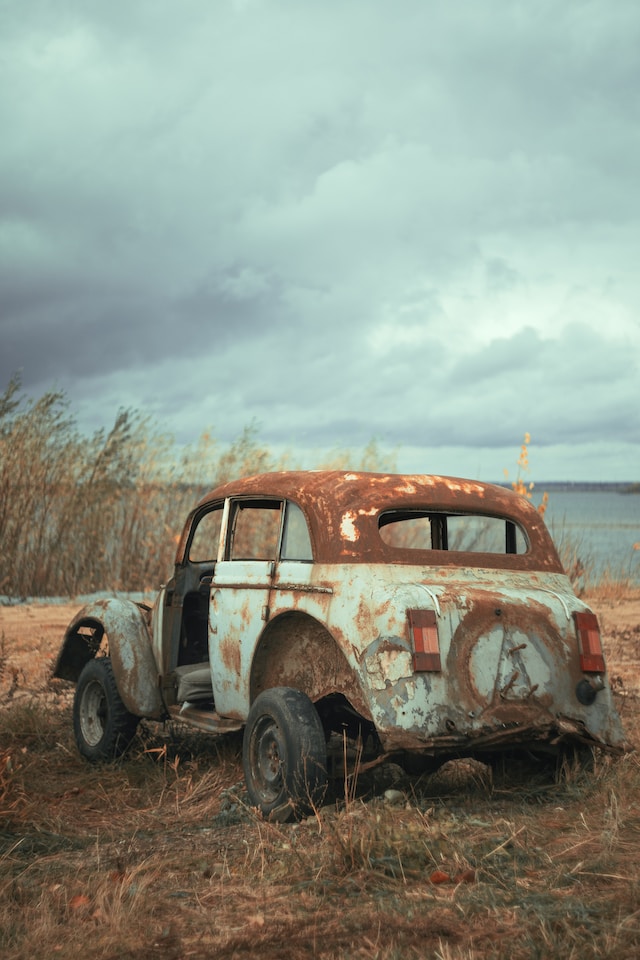
Undertaking a classic car restoration project marks a significant milestone for any enthusiast. Whether you've acquired a tired runner or a basket case, diving into the realm of restoration requires careful planning and a willingness to learn new skills. Fear not; with the right approach, even the most intricate car can be restored to its former glory. Here are essential tips to guide first-time restorers and turn the journey into a source of satisfaction and enjoyment.
1. Acquire New Skills
Restoring a classic involves a myriad of processes, from spannering to bodywork, welding, painting, electrics, and upholstery. Embrace the opportunity to learn these skills, either from friends, family, online tutorials, or professionals. Enroll in relevant classes offered by colleges to gain hands-on knowledge. Learning the ropes ensures you approach each task with confidence and precision.
2. Join a Classic Car Club
Become part of a classic car club related to your vehicle. Club members, seasoned in restoration, can offer invaluable advice, share experiences, and provide insights into the strengths and weaknesses of your chosen car model. Club memberships often grant access to spare parts and a supportive community passionate about classic cars.
3. Invest in Quality Tools
Building a comprehensive toolkit is essential for any restoration project. Invest in high-quality hand tools, such as spanners, socket sets, and screwdrivers. Prioritize durability over cost, as cheap tools may hinder progress and break easily. Consider adding essential power tools like an angle grinder and a reliable power drill to your arsenal.
4. Celebrate Small Victories
While a systematic approach is recommended, celebrating small victories can boost morale during an extended restoration. Completing even minor tasks, such as polishing the radiator grille or refurbishing the wheels, provides glimpses of the project's ultimate success. Enjoy these moments to stay motivated and energized.
5. Choose a Realistic Project Car
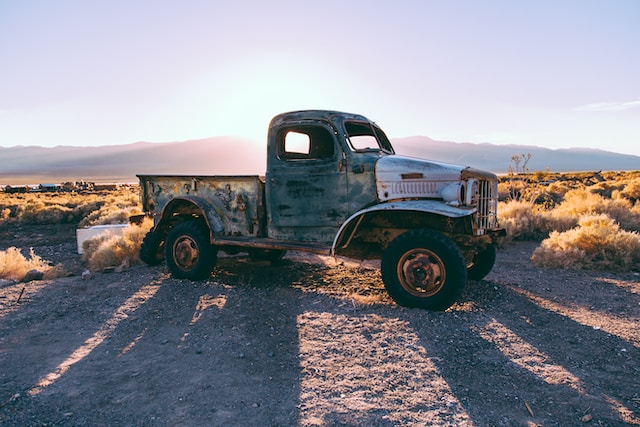
Opt for a project car with realistic challenges, avoiding models with scarce parts or complex specifications. Popular models like the MGB, Volkswagen Beetle, or Triumph saloons offer extensive aftermarket support, ensuring easy availability of components. Streamlining the restoration process with readily available parts reduces frustration and accelerates progress.
6. Buy for Passion, Not Investment
Select a classic car based on genuine passion rather than viewing it solely as an investment. Since restoration demands substantial time and effort, choosing a car you truly love ensures enduring commitment. Avoid compromising on your dream car, as lack of enthusiasm can lead to incomplete projects.
7. Establish and Stick to a Budget
Recognize that classic car restoration is a substantial financial commitment. Develop a comprehensive budget covering components, tools, and potential professional services. Factor in a contingency reserve of at least 30% to accommodate unforeseen expenses. Maintaining a realistic budget ensures smoother progress without financial strain.
8. Be Realistic About Time
Understand the time-intensive nature of restoration. Even with meticulous planning, unforeseen delays are common. Parts sourcing, professional services, and unexpected redoing of tasks contribute to extended timelines. Set realistic expectations to avoid frustration and maintain a patient approach throughout the restoration journey.
9. Know When to Seek Professional Help
Recognize your limitations and don't hesitate to seek professional assistance for complex tasks. Some jobs, like spray painting, are best handled by experts to ensure quality results. Acknowledge the tasks you're confident in tackling and those where professional expertise is crucial. A well-executed restoration often involves a blend of DIY efforts and professional input.
10. Document, Organize, and Take Notes
Labeling, photographing, and documenting each step of the disassembly process is crucial. Capture the arrangement of components, wiring, and pipework to ease reassembly. Utilize plastic zip-top freezer bags for small parts, labeling them with a permanent marker. Detailed documentation streamlines the restoration and minimizes the risk of errors.
11. Focus on Enjoyment
Amidst the challenges, remember that classic car restoration is meant to be an enjoyable process. Embrace the community of enthusiasts willing to share solutions and advice. Leverage online platforms, tutorials, and available resources to enhance your skills and knowledge. Enjoying the journey ensures a more fulfilling restoration experience.
12. Prepare for Future Restorations
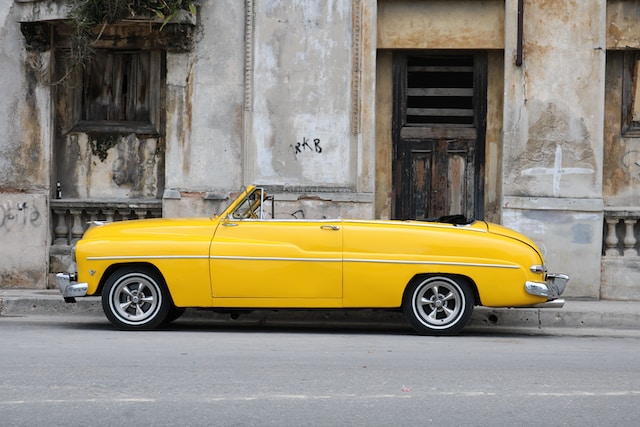
Completing your first classic car restoration is likely to spark a lasting passion. Acknowledge the addictive nature of reviving a vehicle from disrepair to pristine condition. While this may be your initial project, be prepared for the possibility that it won't be your last. The satisfaction derived from breathing new life into a classic car often leads to future endeavors.
Embarking on a classic car restoration is a transformative experience. With dedication, a thirst for learning, and a passion for the chosen vehicle, enthusiasts can navigate the challenges and revel in the joy of witnessing their project roll out of the garage, revived and better than ever before.