Looking for Free Veterinary Care? Here’s How You Can Get It!
Owning a pet is a rewarding experience, but veterinary care can sometimes become a financial burden, especially when unexpected health issues arise. Fortunately, there are free veterinary care options available in the United States for those who need assistance. Whether you’re looking for routine check-ups, emergency care, or help with surgeries, there are programs designed to ensure pets receive the care they need, regardless of their owners' financial situations. You can apply for free veterinary care:

Why Free Veterinary Care is Important

Veterinary care costs can rise rapidly, especially in emergencies, surgeries, and special treatments. Many pet owners face a tough choice: whether to cover basic living expenses or provide necessary medical services for their pets. To ensure pets get the treatment they need, some organizations and programs offer financial assistance or free veterinary services. This is crucial not only for the pets' health and well-being but also for preventing pets from being abandoned or surrendered due to unaffordable medical costs.

Where to Find Free Veterinary Care in the U.S.

There are many non-profit organizations, clinics, and programs across the U.S. that offer free veterinary services to pet owners in need. Here are some key resources:


1. ASPCA (American Society for the Prevention of Cruelty to Animals)

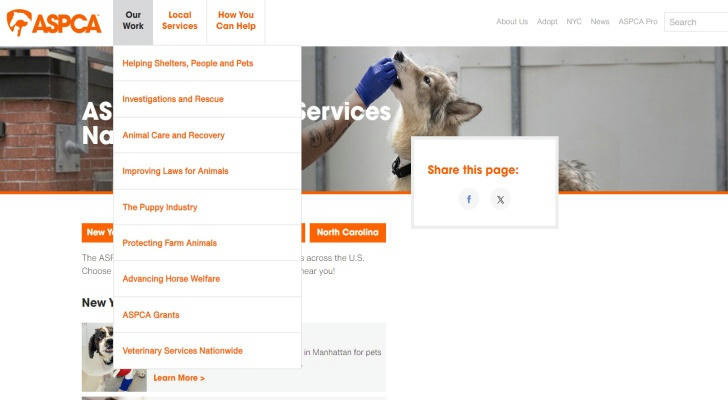
ASPCA provides a range of veterinary services at discounted prices through its community veterinary centers and mobile clinics in cities like New York and Los Angeles. They offer everything from vaccinations and spaying/neutering to emergency surgeries for low-income pet owners.

How to Apply: Visit the ASPCA website to find service locations and make an appointment. In some areas, you can also register for their mobile clinic services, which offer free or low-cost spaying/neutering and basic care.

Eligibility: Services are primarily for pet owners with limited financial resources. You may need to provide proof of income to qualify for discounted services.


2. Humane Society of the United States

The Humane Society partners with local shelters and veterinary clinics to provide free veterinary services. They also run the "Pets for Life" program, offering veterinary care to underserved communities, ensuring that pet owners in low-income areas have access to critical treatment and preventive care.

How to Apply: Visit the Humane Society website to learn about local partners and programs in your area. Many services are provided directly through shelters or in collaboration with local veterinary clinics.


3. Pet Fund

The Pet Fund is a national non-profit organization that offers financial assistance for non-basic, non-emergency care (such as surgeries, cancer treatments, and chronic illness care). They help pet owners who cannot afford necessary but expensive treatments.

How to Apply: You can apply for assistance through their website by providing detailed information about your pet's medical condition and your financial situation. There may be a waiting list, so it is recommended to apply early.


4. RedRover Relief

RedRover Relief provides grants to pet owners facing financial crises. These grants help cover emergency medical expenses and make treatments affordable for pet owners, saving many pets' lives.

How to Apply: Apply online by providing details about your pet's medical emergency and proof of financial need. Response times may vary, but they usually assist with urgent cases.


5. Local Animal Shelters and Non-Profit Clinics

Many local animal shelters across the country offer free veterinary services, often in partnership with veterinary schools or non-profit clinics. These services may include vaccinations, microchip implantation, spaying/neutering, and general health check-ups.

How to Apply: Contact your local animal shelter or humane society to learn about available programs. Many shelters or organizations offer mobile services or provide free appointment-based care.


Tips for Applying for Free Veterinary Care

  1. Check Eligibility: Most programs require proof of financial hardship, such as receiving government assistance or having a low income. Make sure you meet the eligibility criteria before applying.

  2. Gather Necessary Documents: Depending on the program, be prepared to provide income proof, government assistance records, or a veterinary diagnosis.

  3. Research Local Options: Many areas have local clinics or programs, but they may not be widely advertised online. Contact nearby animal shelters or veterinarians to inquire about any available assistance programs.

  4. Preventive Care is Key: Utilize free preventive care services like vaccinations, spaying/neutering, and annual check-ups to avoid more expensive health issues down the line.


Pet ownership should not be hindered by financial constraints, especially when it comes to providing necessary veterinary care. Thanks to organizations such as ASPCA, the Humane Society, and RedRover Relief, there are many free and low-cost veterinary care options available in the U.S. These programs ensure that pets in need can receive essential medical care without the burden of high costs.

Trending Now
|
Looking for Free Veterinary Care? Here’s How You Can Get It!
Owning a pet is a rewarding experience, but veterinary care can sometimes become a financial burden, especially when unexpected health issues arise. Fortunately, there are free veterinary care options available in the United States for those who need assistance. Whether you’re looking for routine check-ups, emergency care, or help with surgeries, there are programs designed to ensure pets receive the care they need, regardless of their owners' financial situations. You can apply for free veterinary care:

Why Free Veterinary Care is Important

Veterinary care costs can rise rapidly, especially in emergencies, surgeries, and special treatments. Many pet owners face a tough choice: whether to cover basic living expenses or provide necessary medical services for their pets. To ensure pets get the treatment they need, some organizations and programs offer financial assistance or free veterinary services. This is crucial not only for the pets' health and well-being but also for preventing pets from being abandoned or surrendered due to unaffordable medical costs.

Where to Find Free Veterinary Care in the U.S.

There are many non-profit organizations, clinics, and programs across the U.S. that offer free veterinary services to pet owners in need. Here are some key resources:


1. ASPCA (American Society for the Prevention of Cruelty to Animals)

ASPCA provides a range of veterinary services at discounted prices through its community veterinary centers and mobile clinics in cities like New York and Los Angeles. They offer everything from vaccinations and spaying/neutering to emergency surgeries for low-income pet owners.

How to Apply: Visit the ASPCA website to find service locations and make an appointment. In some areas, you can also register for their mobile clinic services, which offer free or low-cost spaying/neutering and basic care.

Eligibility: Services are primarily for pet owners with limited financial resources. You may need to provide proof of income to qualify for discounted services.


2. Humane Society of the United States

The Humane Society partners with local shelters and veterinary clinics to provide free veterinary services. They also run the "Pets for Life" program, offering veterinary care to underserved communities, ensuring that pet owners in low-income areas have access to critical treatment and preventive care.

How to Apply: Visit the Humane Society website to learn about local partners and programs in your area. Many services are provided directly through shelters or in collaboration with local veterinary clinics.


3. Pet Fund

The Pet Fund is a national non-profit organization that offers financial assistance for non-basic, non-emergency care (such as surgeries, cancer treatments, and chronic illness care). They help pet owners who cannot afford necessary but expensive treatments.

How to Apply: You can apply for assistance through their website by providing detailed information about your pet's medical condition and your financial situation. There may be a waiting list, so it is recommended to apply early.


4. RedRover Relief

RedRover Relief provides grants to pet owners facing financial crises. These grants help cover emergency medical expenses and make treatments affordable for pet owners, saving many pets' lives.

How to Apply: Apply online by providing details about your pet's medical emergency and proof of financial need. Response times may vary, but they usually assist with urgent cases.


5. Local Animal Shelters and Non-Profit Clinics

Many local animal shelters across the country offer free veterinary services, often in partnership with veterinary schools or non-profit clinics. These services may include vaccinations, microchip implantation, spaying/neutering, and general health check-ups.

How to Apply: Contact your local animal shelter or humane society to learn about available programs. Many shelters or organizations offer mobile services or provide free appointment-based care.


Tips for Applying for Free Veterinary Care

  1. Check Eligibility: Most programs require proof of financial hardship, such as receiving government assistance or having a low income. Make sure you meet the eligibility criteria before applying.

  2. Gather Necessary Documents: Depending on the program, be prepared to provide income proof, government assistance records, or a veterinary diagnosis.

  3. Research Local Options: Many areas have local clinics or programs, but they may not be widely advertised online. Contact nearby animal shelters or veterinarians to inquire about any available assistance programs.

  4. Preventive Care is Key: Utilize free preventive care services like vaccinations, spaying/neutering, and annual check-ups to avoid more expensive health issues down the line.


Pet ownership should not be hindered by financial constraints, especially when it comes to providing necessary veterinary care. Thanks to organizations such as ASPCA, the Humane Society, and RedRover Relief, there are many free and low-cost veterinary care options available in the U.S. These programs ensure that pets in need can receive essential medical care without the burden of high costs.

Trending Now