The History of Paint Brushes
Art has been a fundamental part of human life for millennia, and it's not surprising that the brush is among humanity's oldest tools. Even in the Stone Age, people used brushes similar to those we know today. Early brushes were crafted from natural materials like feathers and animal hair, tied to branches or inserted into hollow bones.
Art has been a fundamental part of human life for millennia, and it's not surprising that the brush is among humanity's oldest tools. Even in the Stone Age, people used brushes similar to those we know today. Early brushes were crafted from natural materials like feathers and animal hair, tied to branches or inserted into hollow bones. The history and evolution of brush-making are extensive, with materials and designs becoming increasingly specialized over time.
The First Artist Brushes

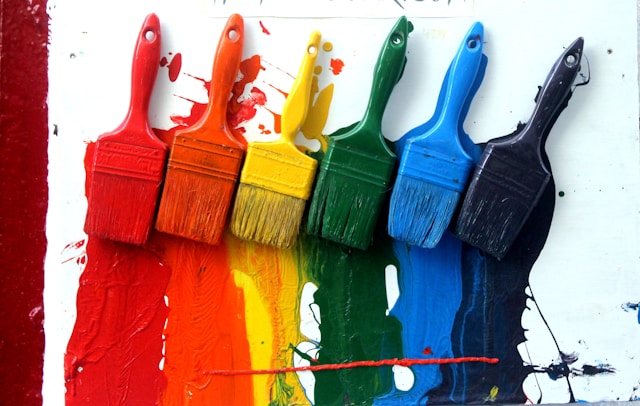
Humans have used brushes for cave paintings since the Stone Age. One of the earliest known artworks, a steppe bison, is found in the Altamira cave in Spain. Created between 16,500 and 13,000 BC, these paintings show that early humans were familiar with various painting techniques and understood perspective. To apply paint, they used not only their hands but also branches, tubes, and the first primitive brushes made from feathers and animal hair.
The Evolution of Brush Shapes

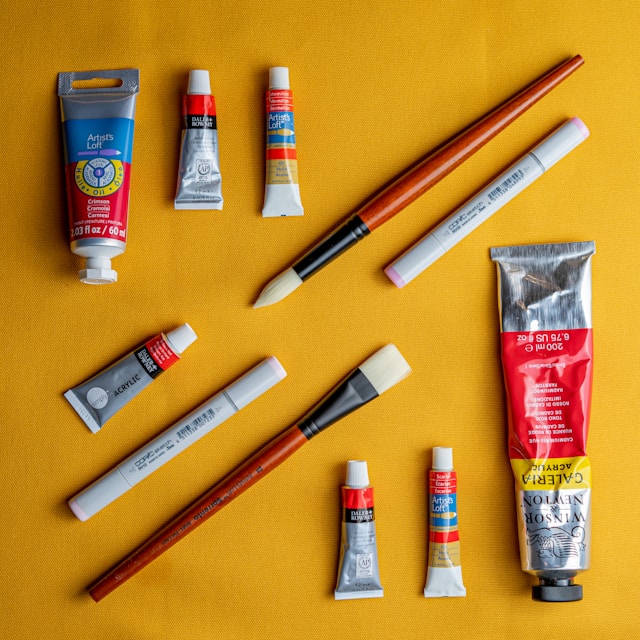
As art and cultures developed, so did the artist's essential tool—the brush. Brushes have played a crucial role in shaping centuries of human history and culture. Today, almost everyone has used a brush at some point. Traditionally, brushes were made with natural quills, and this method is still in use today.
In ancient China, brushes were developed early for writing complex characters, featuring long hair. These brushes have a history that dates back at least 6,000 years and are still used for writing and calligraphy. The Egyptians used frayed papyrus for drawing, painting, and decorating their palaces, temples, and tombs. Greek and Roman texts provide detailed instructions on how to make brushes.
During the Middle Ages, brush-making techniques advanced, with monks in monasteries producing brushes. By the 15th century, brushes were primarily made from animal hair and quills, resulting in round shapes due to the natural form of the quills. This shape remained predominant for centuries.
The profession of brush-making emerged in the 18th century. Until then, artists and their apprentices made their own brushes. Brush makers began experimenting with various materials, eventually creating the metal ferrule, which allowed for the production of flat brushes and other shapes, expanding artistic techniques.
Today, round and flat brushes are the basic shapes, with specialized shapes derived from them to suit different painting techniques and desired effects.
Hair Types Used in Brush-Making

Brush shapes and materials vary widely, depending on the application, paint, and surface. Hog bristle was one of the first hairs used in brush production due to its durability and unique structure, which absorbs paint well. Other natural hairs used come from squirrels, badgers, horses, oxen, goats, and more.
In addition to natural hair, synthetic hair is increasingly popular in brush production, with materials like Toray and KONEX being among the best. However, the highest quality artist brushes are still made from red sable hair, specifically from the tail of the Siberian Kolinsky sable. This hair offers excellent painting qualities and durability, providing artists with long-lasting joy.
Trending Now
|
The History of Paint Brushes
Art has been a fundamental part of human life for millennia, and it's not surprising that the brush is among humanity's oldest tools. Even in the Stone Age, people used brushes similar to those we know today. Early brushes were crafted from natural materials like feathers and animal hair, tied to branches or inserted into hollow bones.
Art has been a fundamental part of human life for millennia, and it's not surprising that the brush is among humanity's oldest tools. Even in the Stone Age, people used brushes similar to those we know today. Early brushes were crafted from natural materials like feathers and animal hair, tied to branches or inserted into hollow bones. The history and evolution of brush-making are extensive, with materials and designs becoming increasingly specialized over time.

The First Artist Brushes

Humans have used brushes for cave paintings since the Stone Age. One of the earliest known artworks, a steppe bison, is found in the Altamira cave in Spain. Created between 16,500 and 13,000 BC, these paintings show that early humans were familiar with various painting techniques and understood perspective. To apply paint, they used not only their hands but also branches, tubes, and the first primitive brushes made from feathers and animal hair.

The Evolution of Brush Shapes

As art and cultures developed, so did the artist's essential tool—the brush. Brushes have played a crucial role in shaping centuries of human history and culture. Today, almost everyone has used a brush at some point. Traditionally, brushes were made with natural quills, and this method is still in use today.
In ancient China, brushes were developed early for writing complex characters, featuring long hair. These brushes have a history that dates back at least 6,000 years and are still used for writing and calligraphy. The Egyptians used frayed papyrus for drawing, painting, and decorating their palaces, temples, and tombs. Greek and Roman texts provide detailed instructions on how to make brushes.
During the Middle Ages, brush-making techniques advanced, with monks in monasteries producing brushes. By the 15th century, brushes were primarily made from animal hair and quills, resulting in round shapes due to the natural form of the quills. This shape remained predominant for centuries.
The profession of brush-making emerged in the 18th century. Until then, artists and their apprentices made their own brushes. Brush makers began experimenting with various materials, eventually creating the metal ferrule, which allowed for the production of flat brushes and other shapes, expanding artistic techniques.
Today, round and flat brushes are the basic shapes, with specialized shapes derived from them to suit different painting techniques and desired effects.

Hair Types Used in Brush-Making

Brush shapes and materials vary widely, depending on the application, paint, and surface. Hog bristle was one of the first hairs used in brush production due to its durability and unique structure, which absorbs paint well. Other natural hairs used come from squirrels, badgers, horses, oxen, goats, and more.
In addition to natural hair, synthetic hair is increasingly popular in brush production, with materials like Toray and KONEX being among the best. However, the highest quality artist brushes are still made from red sable hair, specifically from the tail of the Siberian Kolinsky sable. This hair offers excellent painting qualities and durability, providing artists with long-lasting joy.
Trending Now