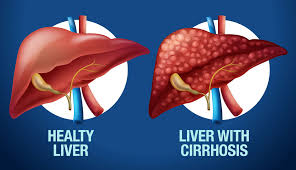
1. Causes of Cirrhosis
Cirrhosis is usually caused by fibrosis of liver tissue caused by chronic liver damage. The most common causes include:
Chronic hepatitis B or C: These two viral hepatitis are the main causes of cirrhosis. Long-term infection with hepatitis will continue to damage the liver and gradually develop into cirrhosis. Hepatitis C is particularly common worldwide.
Long-term alcohol abuse: Long-term excessive drinking is another major risk factor for cirrhosis. The toxic effect of alcohol on the liver can damage liver cells, cause liver inflammation, fibrosis, and eventually lead to cirrhosis.
Fatty liver (NAFLD/NASH): Non-alcoholic fatty liver disease (NAFLD) and non-alcoholic steatohepatitis (NASH) are diseases related to obesity, diabetes, high blood lipids, etc. Long-term fat deposition can cause liver inflammation, fibrosis, and eventually develop into cirrhosis.
Genetic diseases: Some genetic diseases, such as hemochromatosis or Wilson's disease, can cause excessive accumulation of iron or copper in the liver, damage the liver, and eventually lead to cirrhosis.
Drug toxicity: Long-term use of certain drugs (such as anti-tuberculosis drugs, certain painkillers, etc.) may also damage the liver and induce cirrhosis.
2. Precautions for early cirrhosis
There may be no obvious symptoms in the early stage of cirrhosis, but it is still necessary to pay great attention and take appropriate preventive measures to slow down the progression of the disease. The following are precautions for early cirrhosis:
Early screening and diagnosis: Regular physical examinations and liver function tests, especially for high-risk groups with a history of hepatitis B, hepatitis C or long-term alcohol abuse. Ultrasound, CT scans and liver biopsies can help detect fibrotic changes in the liver early.
Avoid further liver damage: Control the activity of hepatitis B and hepatitis C viruses, quit drinking, and avoid using drugs that are toxic to the liver.
Monitor liver function: Regularly monitor liver function indicators in the blood, such as AST, ALT, total bilirubin, etc. to assess the extent of liver damage.
Maintain a healthy weight: For people with fatty liver, losing weight can help slow the accumulation of fat in the liver and avoid worsening of the disease.
3. Dietary precautions for patients with cirrhosis
Dietary management is crucial for patients with cirrhosis. It not only helps improve the condition and reduce the burden on the liver, but also improves the quality of life. Here are some dietary recommendations:
- Low-salt diet: One of the common complications of patients with cirrhosis is edema and ascites (peritoneal effusion). Excessive salt intake will aggravate the symptoms of edema and ascites. Therefore, patients with cirrhosis are advised to maintain a low-salt diet and control their daily salt intake to less than 5 grams.
- High-protein diet: The liver is the center of protein metabolism, and patients with cirrhosis often have a decreased ability to synthesize protein. Appropriately increasing the intake of high-quality protein (such as lean meat, fish, protein powder, etc.) can help enhance liver function and promote repair.However, for some patients with poor liver function, excessive protein intake may lead to amino acid accumulation, which needs to be adjusted under the guidance of a doctor.
- Avoid high-fat foods: High-fat foods (such as fried foods, animal fats, etc.) will increase the burden on the liver, leading to fatty liver and fat deposition, so they should be avoided as much as possible.
- Foods rich in antioxidants: Patients with cirrhosis should increase foods rich in antioxidants, such as fresh vegetables, fruits (such as blueberries, oranges, apples), whole grains and nuts. Antioxidants help reduce oxidative damage to the liver and reduce inflammatory responses.
- Drink enough water: Maintaining adequate water intake is very important for the liver's detoxification and metabolic functions. However, if accompanied by symptoms of edema or ascites, patients should limit fluid intake to avoid excessive fluid accumulation.
- Avoid alcohol and toxins: Patients with cirrhosis should completely avoid drinking alcohol because alcohol has a direct toxic effect on the liver and will accelerate the progression of cirrhosis. Any drugs or chemicals that may cause liver toxicity should also be avoided.
4. Summary
Liver cirrhosis is a chronic disease caused by multiple factors, and early screening and intervention are crucial. For patients with liver cirrhosis, controlling the cause, avoiding further liver damage, and implementing reasonable dietary management are key measures to slow down the disease and improve the quality of life. In terms of diet, special attention should be paid to low-salt, high-protein, antioxidant-rich foods, while avoiding high-fat and alcohol intake. Under the guidance of doctors and nutritionists, personalized diet plans and lifestyle adjustments can effectively help patients with liver cirrhosis maintain healthy liver function and overall health.