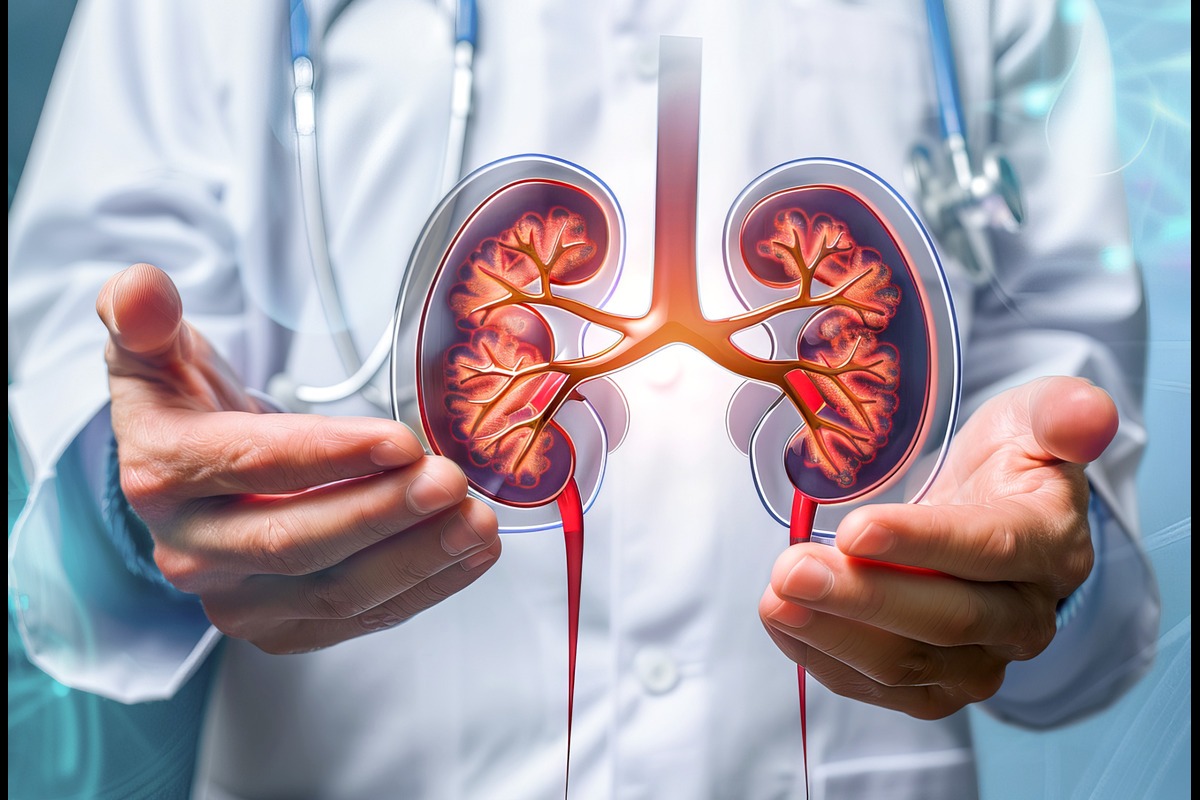
Symptoms of Acute Kidney Failure
Acute kidney failure is a condition in which kidney function declines rapidly within a short period (hours to days). Common symptoms include:
- Reduced or absent urine output: Significant reduction in urine volume, usually less than 400 ml/day, or complete anuria.
- Edema: Fluid retention may cause swelling in the face, limbs, or the whole body.
- Fatigue and weakness: Accumulation of metabolic waste leads to extreme fatigue and weakness.
- Nausea and vomiting: The digestive system is affected by metabolic toxins.
- Shortness of breath: Fluid retention may lead to pulmonary edema, causing difficulty in breathing.
- Mental confusion or seizures: Toxins affecting the nervous system may lead to consciousness disturbances or seizures.
Symptoms of Chronic Kidney Failure
Chronic kidney failure progresses slowly, with early stages often showing no obvious symptoms. Severe conditions may include:
- Fatigue and lethargy: Often caused by anemia and toxin accumulation.
- Swelling: Reduced kidney function leads to excess fluid retention.
- Abnormal urine: Such as increased foam in urine (proteinuria) or blood in the urine.
- Skin itching: Accumulation of metabolic waste causes skin itching and dryness.
- High blood pressure: Kidney function impairment may lead to elevated blood pressure.
- Bone pain and osteoporosis: Calcium-phosphorus metabolism disorders may cause bone problems.
Treatment Methods for Kidney Failure
Treatment of Acute Kidney Failure
Acute kidney failure can often be reversed with early diagnosis and active treatment. Key treatment measures include:
- Elimination of causes: Addressing infections, drug toxicity, or other triggering factors.
- Fluid management: Adjusting fluid intake or restriction according to the patient’s condition to avoid dehydration or fluid overload.
- Electrolyte regulation: Using medications to control hyperkalemia and prevent cardiac complications.
- Drug support: Increasing urine output with diuretics (e.g., furosemide) to reduce kidney burden.
- Dialysis treatment: In severe cases, dialysis can quickly clear toxins and stabilize vital signs.
Treatment of Chronic Kidney Failure
Chronic kidney failure cannot be completely cured but can be managed to slow disease progression and improve quality of life through:
- Diet control:
- Limiting protein intake to reduce kidney burden.
- Controlling salt, potassium, and phosphorus intake to prevent electrolyte imbalance.
- Ensuring adequate calorie intake to prevent malnutrition.
- Medication:
- Using antihypertensive drugs (e.g., ACE inhibitors or ARBs) to control high blood pressure and protect kidney function.
- Administering erythropoietin (EPO) and iron supplements to improve anemia.
- Using phosphate binders and vitamin D supplements to regulate calcium-phosphorus metabolism and protect bones.
- Dialysis treatment: When kidney function declines to the terminal stage (GFR<15 ml/min), hemodialysis or peritoneal dialysis becomes essential.
- Kidney transplantation: For patients with end-stage kidney disease, transplantation is the ideal long-term solution.
Conclusion
Kidney failure is a severe disease with symptoms that vary as the condition progresses. Early detection and treatment are critical for slowing disease progression and improving patient prognosis. Through proper diet control, medication, and necessary dialysis or transplantation, patients can significantly enhance their quality of life and extend their lifespan. Preventing chronic diseases, maintaining a healthy lifestyle, and regular check-ups are essential measures to reduce the incidence of kidney failure.