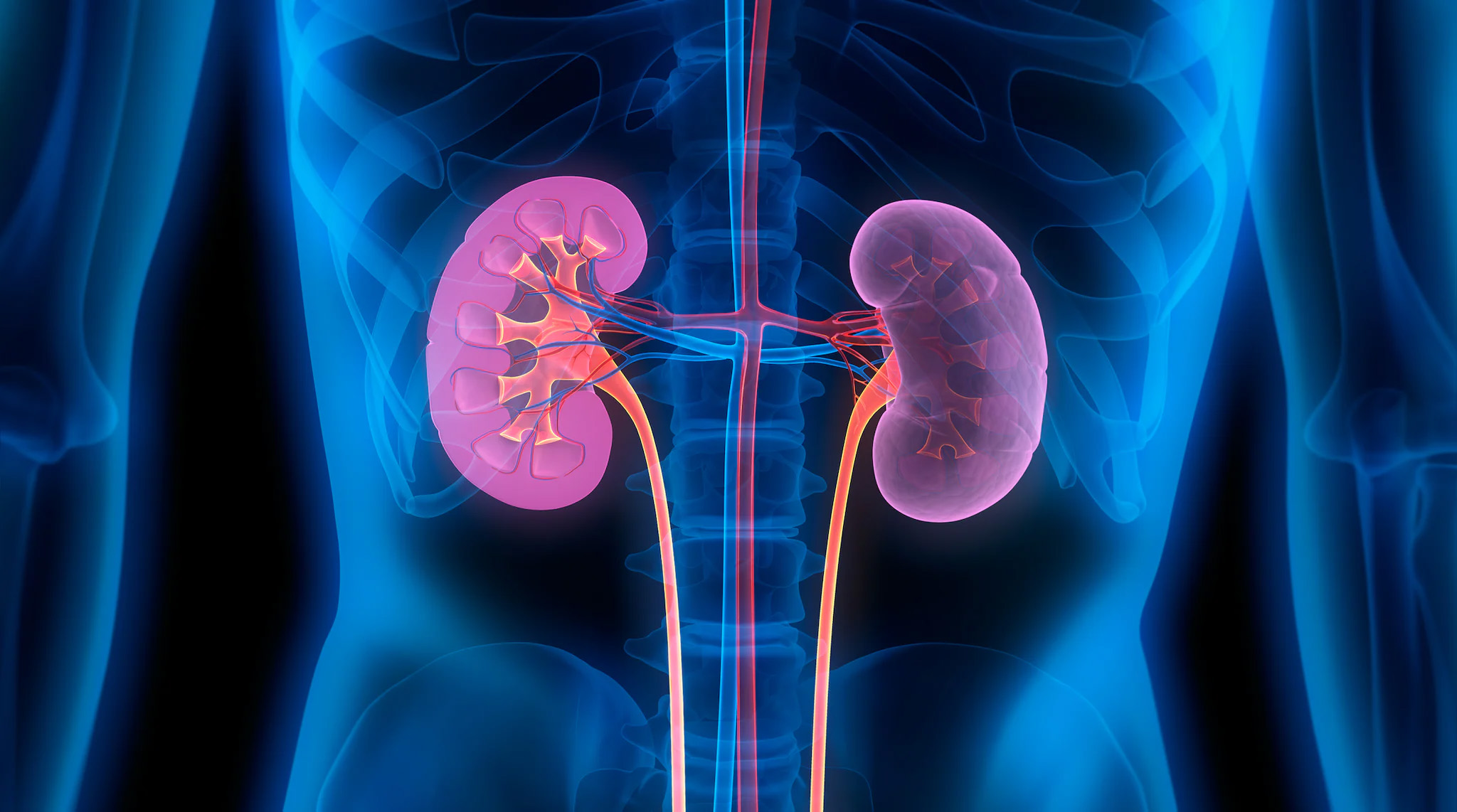
What is chronic kidney disease (CKD)?
CKD is a gradual decline in kidney function over time. The kidneys are responsible for filtering waste products, regulating blood pressure, and maintaining electrolyte balance. When kidney function deteriorates, waste products build up in the body. CKD is divided into five stages, with stage five being end-stage kidney failure, which requires dialysis or a kidney transplant.
Causes of CKD include diabetes, high blood pressure, glomerulonephritis, and obesity. These factors can impair the normal function of the kidneys over time.
Symptoms of CKD
In the early stages, CKD may not cause symptoms. As the disease progresses, common symptoms include:
Fatigue
Swelling in the ankles, feet, or around the eyes
Decrease in urine production
Shortness of breath
Nausea and vomiting
Treatment options for CKD
Lifestyle changes: Controlling blood sugar (for people with diabetes), reducing salt intake, staying hydrated, and maintaining a healthy weight can help manage CKD.
Medications: Medications to control blood pressure (ACE inhibitors), phosphate binders, and cholesterol-lowering drugs are often prescribed to protect kidney function.
Dialysis: For advanced stages, when the kidneys can no longer filter waste, dialysis (hemodialysis or peritoneal dialysis) can help filter waste.
Kidney transplant: People with advanced kidney failure may need a kidney transplant. A kidney from a donor is transplanted into the patient to replace the damaged kidney.
Recent advances in CKD treatment
SGLT2 inhibitors: Newer drugs such as empagliflozin and dapagliflozin help control blood sugar and reduce kidney damage, especially in people with diabetes. These drugs show promise in slowing CKD progression and potentially extending life by preventing dialysis.
Gene therapy and stem cells: Emerging research in gene therapy and stem cell treatments aims to repair damaged kidney tissue and even regenerate kidney cells. While these treatments are still experimental, they offer hope for the future of CKD management.
Sources:
“SGLT2 inhibitors in patients with chronic kidney disease” – National Institutes of Health (NIH)
“Empagliflozin and risk of kidney disease progression in patients with chronic kidney disease” – New England Journal of Medicine (NEJM)
“Stem cell therapy for kidney disease” – American Journal of Nephrology (AJKD)
“Gene therapy and kidney regeneration: new advances” – Nature Reviews Nephrology
Conclusion
Chronic kidney disease is a serious, progressive disease that requires careful management. Although there is no complete cure, early intervention with lifestyle changes, medications, and treatments such as dialysis can slow disease progression. Recent advances such as SGLT2 inhibitors, gene therapy, and artificial kidneys have brought new hope for improving kidney health and extending lifespan. With proper care, CKD patients can maintain a good quality of life for many years.