1. Overview of Parkinson's Disease
What is Parkinson's disease?
Parkinson's disease is a chronic, progressive neurological disease that primarily affects the body's motor control, causing symptoms such as tremors, muscle stiffness, and bradykinesia (slow movements).
Causes of Parkinson's disease:
While the exact cause of Parkinson's disease is not fully understood, it is often associated with damage to or loss of dopamine-producing neurons in the brain. Genetic factors, environmental influences, and aging may all play a role in the development of the disease.
2. Symptoms of Parkinson's disease
Motor symptoms:
Tremor: The most typical symptom, especially a resting tremor in the hands, legs, or jaw.
Muscle rigidity: Muscle stiffness, resulting in slower movement and reduced flexibility.
Bradykinesia (slow movements): This includes a shorter stride when walking and reduced facial expressions, which can affect daily activities in severe cases.
Postural instability: Difficulty maintaining balance when walking, increasing the risk of falling.
Non-motor symptoms:
Depression and anxiety: Emotional problems such as depression and anxiety are common in people with Parkinson's disease.
Sleep disorders: Many patients report poor sleep quality.
Cognitive impairment: Long-term patients may experience cognitive decline and even dementia.
Autonomic dysfunction: Common symptoms include constipation, frequent urination and other autonomic problems.
3. Parkinson's Disease: Learn about medications, surgeries, and natural remedies to relieve symptoms
Parkinson's Disease Medications
The most common treatment for Parkinson's disease is medication, which helps control symptoms by increasing or mimicking dopamine in the brain. Levodopa is the most effective medication, which converts to dopamine to relieve movement symptoms such as tremors and stiffness. It is often combined with carbidopa to reduce side effects. Other medications include dopamine agonists that mimic the effects of dopamine and MAO-B inhibitors that slow the breakdown of dopamine. These medications can significantly improve quality of life and help patients manage daily activities, although they may lose effectiveness over time.
Surgical Treatment Options
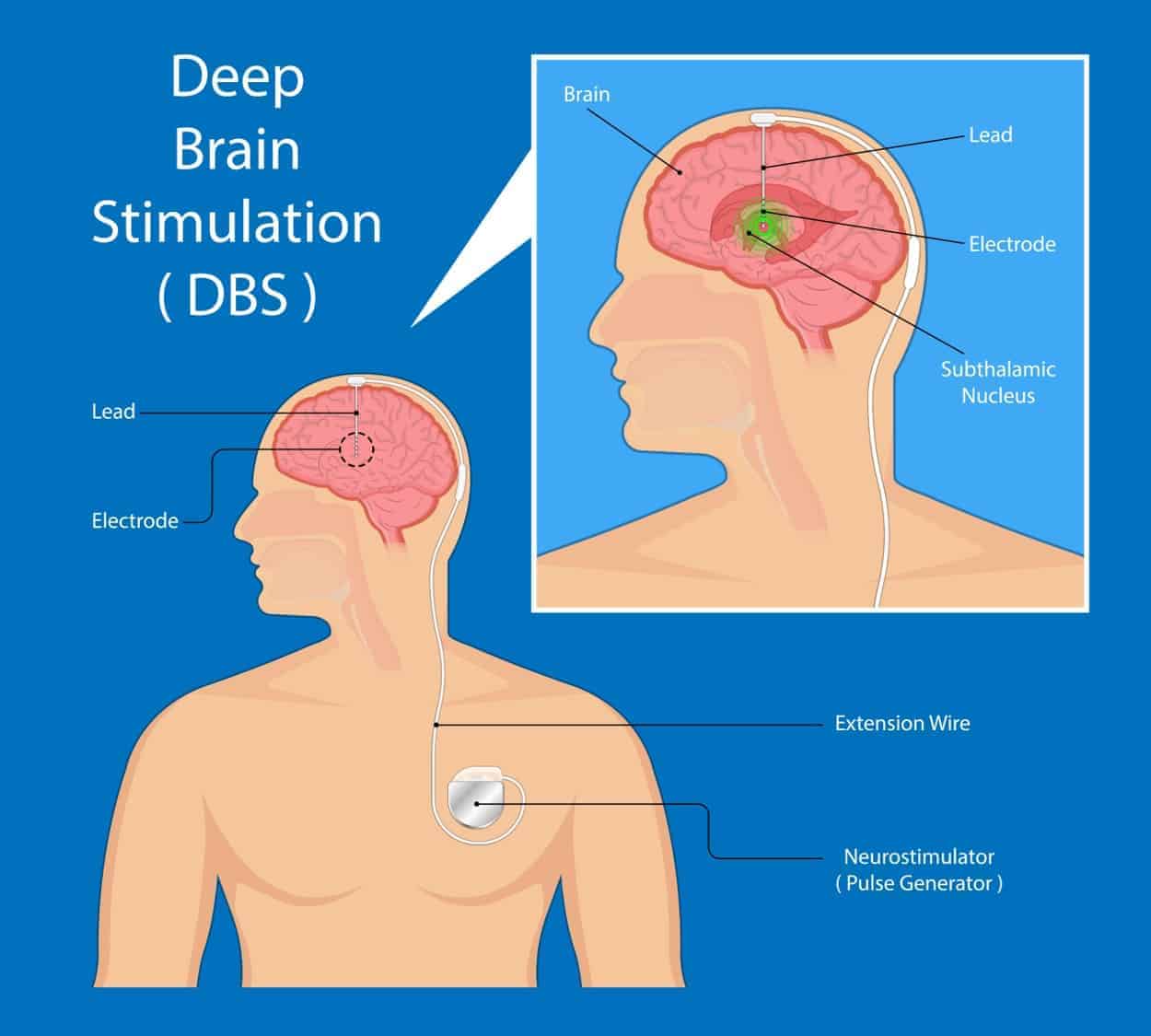
For patients who do not respond well to medication, surgical treatment may provide relief. Deep brain stimulation (DBS) is the most common surgery for Parkinson's disease and involves implanting electrodes in specific brain areas to modulate abnormal brain activity. This treatment helps control tremors, stiffness, and slow movements, often resulting in significant improvements in motor function. Other surgical options such as pallidotomy and thalamotomy involve destroying targeted brain tissue to relieve symptoms. These treatments are often considered when medications no longer provide adequate control.
Natural Remedies and Lifestyle Changes
In addition to conventional treatments, many people with Parkinson's disease use natural remedies and lifestyle changes to relieve symptoms. Exercise plays a vital role, helping to improve flexibility, strength, and balance while reducing stiffness. Physical and occupational therapy focus on maintaining daily function and improving movement. In addition, certain dietary changes, such as a high-fiber diet to control constipation, and supplements such as Coenzyme Q10, have shown potential to support brain health. While these approaches are not a replacement for medical treatment, they can complement traditional therapies and improve overall health.
Conclusion
Parkinson's disease is rapidly becoming one of the most pressing public health issues in the United States. Currently, approximately 1 million Americans are living with Parkinson's disease, a number that is expected to rise to nearly 1.2 million by 2030. The incidence of Parkinson's disease has been steadily increasing, primarily due to the aging population, with more than 60,000 new cases diagnosed each year. As the disease progresses, it not only affects motor control (causing tremors, rigidity, and dyskinesia), but also cognitive function, emotional well-being, and overall quality of life. With an aging population and an increasing number of cases, Parkinson's disease is a greater burden than ever on individuals, families, and the healthcare system. However, despite the widespread impact of Parkinson's disease, many people remain unaware of the disease's early warning signs and the importance of early intervention. In the face of the continued rise in Parkinson's disease, we must pay more attention to this disease and its long-term impact on patients and society as a whole.