Unveiling the Tales of Iconic City Landmarks
Ever wondered what gives grand cities their unique charm? It's not just the broad boulevards or towering skyscrapers; it's the intricate cultural tapestry, woven with the threads of historic monuments and landmarks that define a city's character.

Ever wondered what gives grand cities their unique charm? It's not just the broad boulevards or towering skyscrapers; it's the intricate cultural tapestry, woven with the threads of historic monuments and landmarks that define a city's character.

In the era of "traveling like a local," these landmarks transcend being mere tourist attractions. They evolve into symbols cherished by both residents and visitors, embodying the essence of their respective metropolises. Let's delve into the captivating stories behind some of the world's most renowned city landmarks.

Statue of Liberty, New York

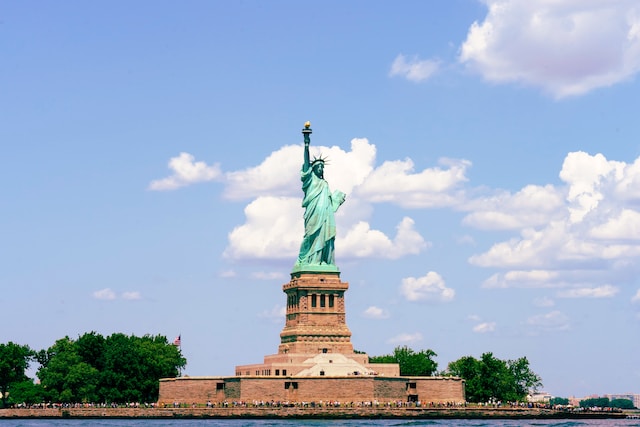
Dominating the New York Harbor, the Statue of Liberty stands tall at 93 meters, heralded as a "universal symbol of freedom and democracy." A gift from France to commemorate the United States' centennial, Lady Liberty was dedicated on October 28, 1886. With a torch held high and a tablet inscribed with the date of American independence, the statue beckons millions of yearly visitors to Liberty Island. The hollow copper sculpture allows adventurous souls to ascend to its crown, offering a panoramic view of the city that never sleeps.

Galata Tower, İstanbul

Perched on a hill in İstanbul's Beyoğlu district, the Galata Tower boasts a rich history dating back to 507-508 AD. Initially constructed during the Byzantine Empire, it underwent renovations by the Genoese in 1348-1349. Serving as a museum, restaurant, and observation deck today, the Galata Tower is not just an architectural marvel but a living testament to İstanbul's enduring legacy.

Eiffel Tower, Paris

Despite initial controversy, the Eiffel Tower has become an unmistakable feature of the Parisian skyline. Constructed for the 1889 Exposition Universelle, it was meant to stand for only 20 years. However, its utility in scientific experiments prolonged its existence. Named after Gustave Eiffel, the visionary engineer, the tower stands as the world's most-visited paid monument. Whether loved or loathed by locals, its intricate lattice design and breathtaking views from its platforms captivate millions annually.

Little Mermaid Statue, Copenhagen

Gazing over Langelinie Harbor in Copenhagen, the Little Mermaid is a bronze spectacle commissioned by Carl Jacobsen, founder of Carlsberg beer. Inspired by a ballet performance in 1909, the statue captures the essence of Hans Christian Andersen's fairy tale. Modeled after a ballerina and the sculptor's wife, the Little Mermaid has become an iconic photographic subject, gracing postcards and travel albums worldwide.

Leaning Tower of Pisa, Pisa
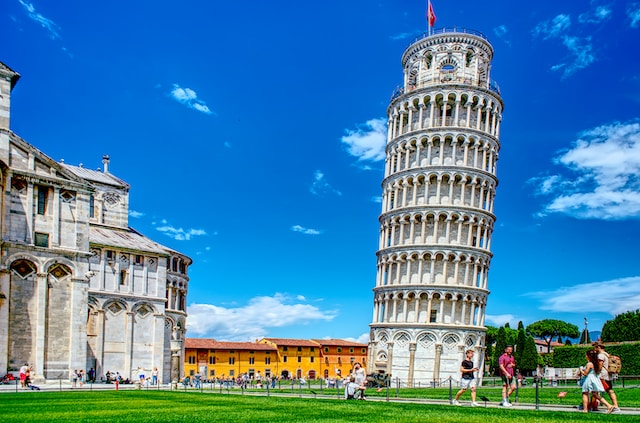
Included in the UNESCO World Heritage List, the Leaning Tower of Pisa is a testament to architectural resilience. Constructed in 1173, its tilt began due to soft subsoil, leading to attempts to correct its lean over the centuries. Despite its structural quirkiness, the tower continues to attract millions, standing proudly in the town of Pisa.

Taj Mahal, Agra

Crafted from radiant white marble, the Taj Mahal in Agra, India, stands as a sublime masterpiece. Built by Shah Jahan in memory of his beloved wife, Mumtaz Mahal, its construction spanned from 1632 to 1648. A UNESCO World Heritage Site, the Taj Mahal represents architectural and artistic excellence, harmonizing with its surroundings. Protected by strict environmental measures, it remains a symbol of enduring love and timeless beauty.

Big Ben Clock Tower, London
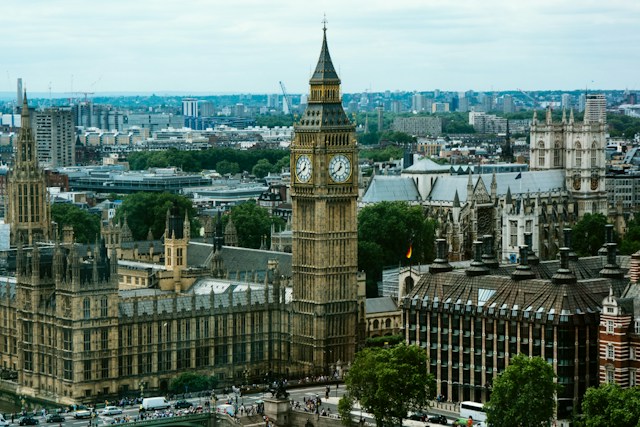
Nestled at the northern end of the Houses of Parliament, the Big Ben Clock Tower stands tall at 96 meters. While the name technically refers to the colossal hour bell inside, the tower, now officially named Elizabeth Tower, has become an iconic symbol of London. Completed in 1859, its resounding chimes, interrupted only during war and maintenance periods, continue to mark the passage of time in the heart of the British capital.

Each of these landmarks weaves a unique narrative, contributing to the rich tapestry of the cities they call home. Beyond their architectural significance, they embody the spirit, history, and culture of their respective metropolises, inviting travelers and locals alike to partake in their timeless stories.

Trending Now
|
Unveiling the Tales of Iconic City Landmarks
Ever wondered what gives grand cities their unique charm? It's not just the broad boulevards or towering skyscrapers; it's the intricate cultural tapestry, woven with the threads of historic monuments and landmarks that define a city's character.

Ever wondered what gives grand cities their unique charm? It's not just the broad boulevards or towering skyscrapers; it's the intricate cultural tapestry, woven with the threads of historic monuments and landmarks that define a city's character.

In the era of "traveling like a local," these landmarks transcend being mere tourist attractions. They evolve into symbols cherished by both residents and visitors, embodying the essence of their respective metropolises. Let's delve into the captivating stories behind some of the world's most renowned city landmarks.

Statue of Liberty, New York

Dominating the New York Harbor, the Statue of Liberty stands tall at 93 meters, heralded as a "universal symbol of freedom and democracy." A gift from France to commemorate the United States' centennial, Lady Liberty was dedicated on October 28, 1886. With a torch held high and a tablet inscribed with the date of American independence, the statue beckons millions of yearly visitors to Liberty Island. The hollow copper sculpture allows adventurous souls to ascend to its crown, offering a panoramic view of the city that never sleeps.

Galata Tower, İstanbul

Perched on a hill in İstanbul's Beyoğlu district, the Galata Tower boasts a rich history dating back to 507-508 AD. Initially constructed during the Byzantine Empire, it underwent renovations by the Genoese in 1348-1349. Serving as a museum, restaurant, and observation deck today, the Galata Tower is not just an architectural marvel but a living testament to İstanbul's enduring legacy.

Eiffel Tower, Paris

Despite initial controversy, the Eiffel Tower has become an unmistakable feature of the Parisian skyline. Constructed for the 1889 Exposition Universelle, it was meant to stand for only 20 years. However, its utility in scientific experiments prolonged its existence. Named after Gustave Eiffel, the visionary engineer, the tower stands as the world's most-visited paid monument. Whether loved or loathed by locals, its intricate lattice design and breathtaking views from its platforms captivate millions annually.

Little Mermaid Statue, Copenhagen

Gazing over Langelinie Harbor in Copenhagen, the Little Mermaid is a bronze spectacle commissioned by Carl Jacobsen, founder of Carlsberg beer. Inspired by a ballet performance in 1909, the statue captures the essence of Hans Christian Andersen's fairy tale. Modeled after a ballerina and the sculptor's wife, the Little Mermaid has become an iconic photographic subject, gracing postcards and travel albums worldwide.

Leaning Tower of Pisa, Pisa

Included in the UNESCO World Heritage List, the Leaning Tower of Pisa is a testament to architectural resilience. Constructed in 1173, its tilt began due to soft subsoil, leading to attempts to correct its lean over the centuries. Despite its structural quirkiness, the tower continues to attract millions, standing proudly in the town of Pisa.

Taj Mahal, Agra

Crafted from radiant white marble, the Taj Mahal in Agra, India, stands as a sublime masterpiece. Built by Shah Jahan in memory of his beloved wife, Mumtaz Mahal, its construction spanned from 1632 to 1648. A UNESCO World Heritage Site, the Taj Mahal represents architectural and artistic excellence, harmonizing with its surroundings. Protected by strict environmental measures, it remains a symbol of enduring love and timeless beauty.

Big Ben Clock Tower, London

Nestled at the northern end of the Houses of Parliament, the Big Ben Clock Tower stands tall at 96 meters. While the name technically refers to the colossal hour bell inside, the tower, now officially named Elizabeth Tower, has become an iconic symbol of London. Completed in 1859, its resounding chimes, interrupted only during war and maintenance periods, continue to mark the passage of time in the heart of the British capital.

Each of these landmarks weaves a unique narrative, contributing to the rich tapestry of the cities they call home. Beyond their architectural significance, they embody the spirit, history, and culture of their respective metropolises, inviting travelers and locals alike to partake in their timeless stories.

Trending Now