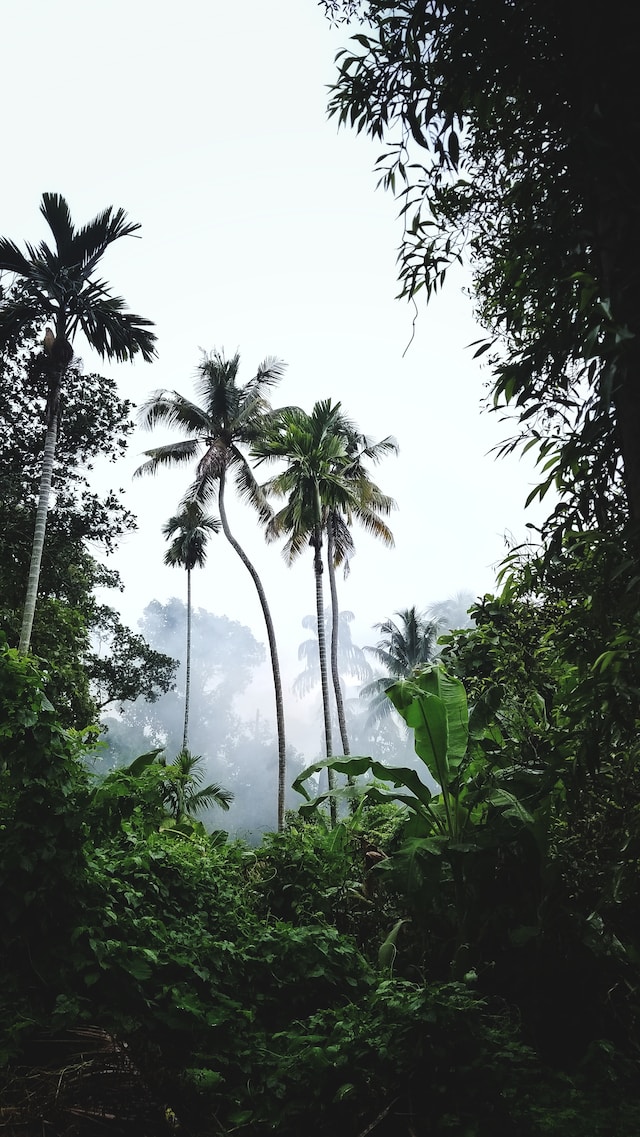
Recent research, featured in the peer-reviewed journal Science Advances, unveils a compelling link between proximity to green spaces and increased life expectancy. The study suggests that individuals with prolonged exposure to abundant greenery in their living environment may, on average, add a substantial 2.5 years to their lifespan.
Published findings expand our understanding of the health advantages associated with residing in verdant surroundings. The investigation delves into the intricate ways in which nature can influence our biological makeup. The research team scrutinized the long-term impact of proximity to green spaces on biological aging, focusing on over 900 participants across four U.S. cities.
Principal investigator Lifang Hou, a preventive medicine professor at Northwestern University’s Feinberg School of Medicine, elucidated, “Our study shows that being near green space caused some biological or molecular changes that can be detected in our blood.”
Unveiling Nature's Impact on Aging

To discern the correlation between sustained exposure to green environments and the aging process, researchers analyzed age-related biological changes in participants over two decades. By scrutinizing blood DNA, they gauged biological age at a molecular level, identifying subtle alterations in the functioning of genes linked to aging.
Biological age, distinct from chronological age, reflects the individual's health status. If biological age surpasses chronological age, the likelihood of developing age-related conditions such as cancer, cardiovascular disease, or Alzheimer’s may escalate. Hou emphasized that biological age hinges on daily choices, encompassing diet, physical activity, and more. The study underscores the collective impact of individual lifestyle choices and community settings on biological aging.
David Rojas-Rueda, an epidemiology professor at Colorado State University, noted, “This study explains how this could happen by describing how green spaces can modify how genes are expressed.” The research is considered a pioneering effort, elucidating how exposure to nature and residing in greener locales can instigate fundamental changes in aging biomarkers.
A Prescription for Greener Living
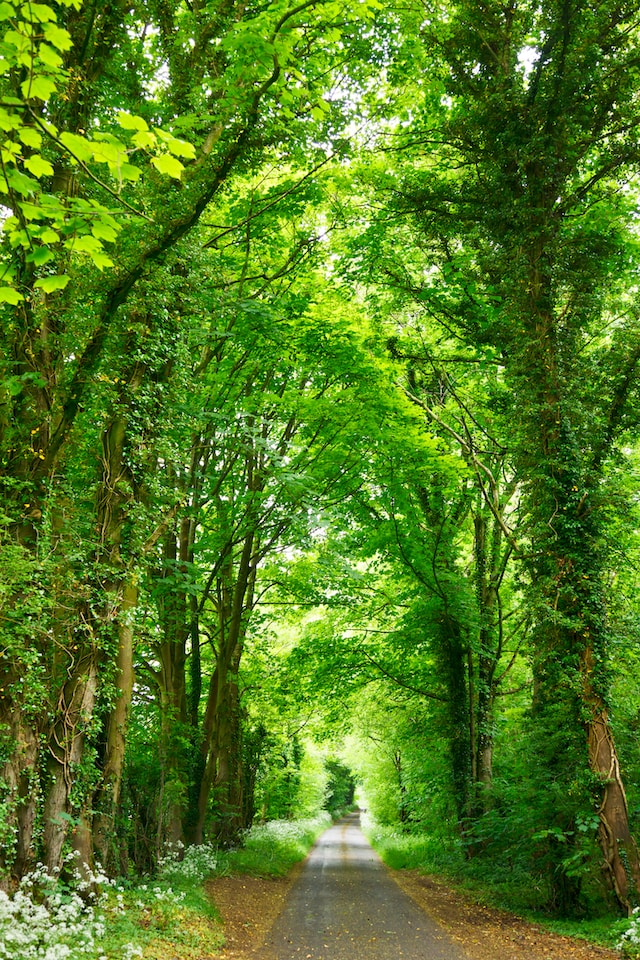
This research underscores the significance of considering one's environment when making health-conscious decisions, emphasizing that healthy living transcends individual actions to encompass communal and neighborhood factors. Hou encourages individuals to contemplate their surroundings alongside traditional health determinants like diet, sleep, and exercise.
Furthermore, the study serves as a clarion call for policymakers to integrate nature into daily life. Peter James, an environmental epidemiologist at Harvard’s T.H. Chan School of Public Health, advocates a paradigm shift, viewing green space as a vital component of infrastructure comparable to sewer systems and garbage collection. Recognizing green spaces as essential for human thriving and health is crucial for fostering holistic well-being.