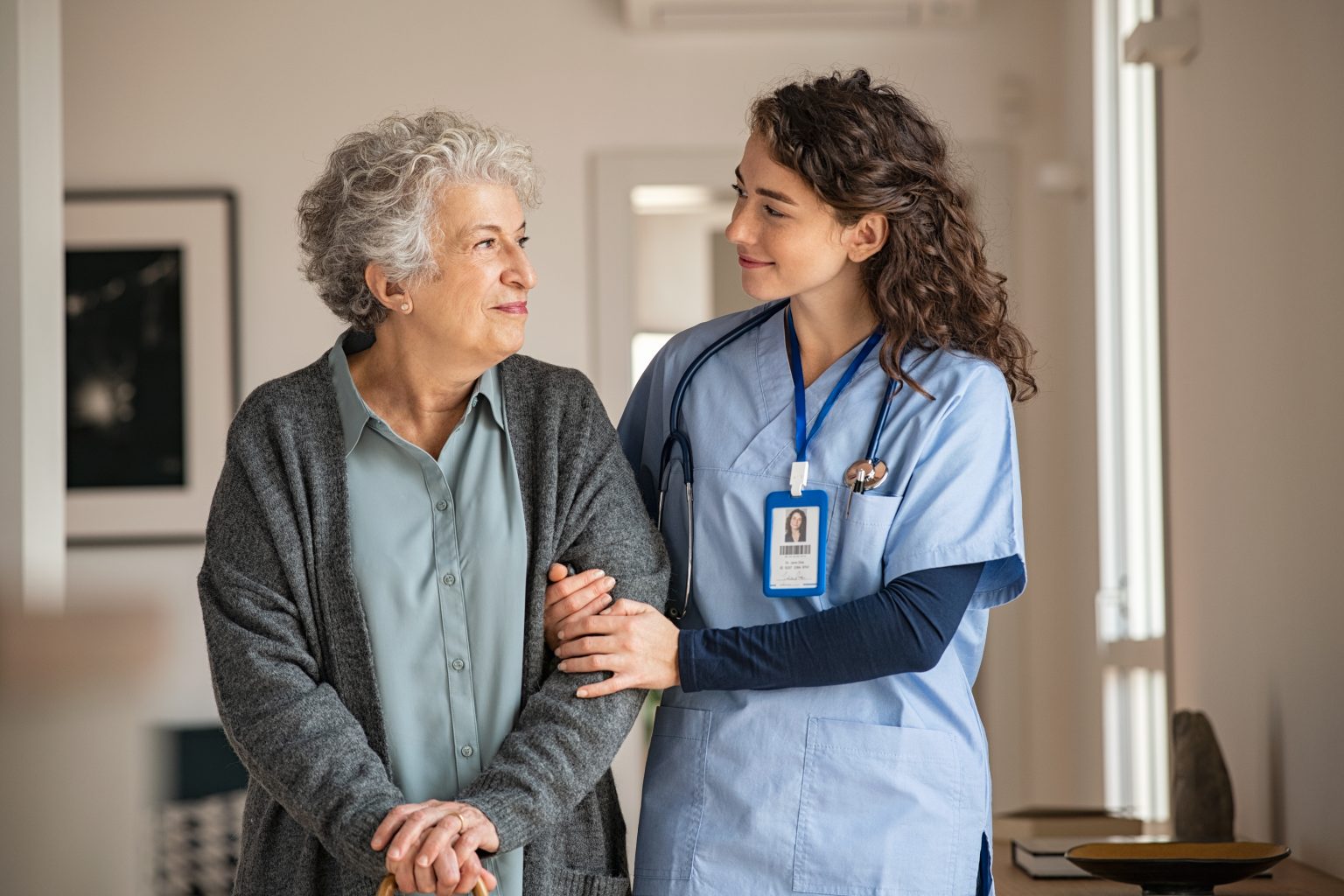
What Does a Healthcare Assistant Do?
Healthcare Assistants (HCAs) provide essential support to patients, helping them with their daily activities and assisting healthcare professionals with basic medical tasks. The exact duties can vary depending on the setting, but the main responsibilities typically include:
- Personal Care and Assistance:
- Helping patients with activities of daily living (ADLs) like eating, bathing, dressing, and toileting.
- Assisting with personal hygiene and comfort.
- Patient Monitoring:
- Taking and recording vital signs (temperature, pulse, blood pressure, etc.).
- Observing patients' condition and reporting any changes to nursing staff.
- Treatment Assistance:
- Providing basic care such as helping with mobility, administering medications under supervision, and assisting with physical therapy.
- Maintaining Patient Environment:
- Ensuring patient rooms are clean and organized, changing linens, and helping patients feel comfortable and safe.
- Communication and Collaboration:
- Communicating with patients and their families, offering emotional support, and explaining basic procedures.
- Working closely with doctors, nurses, and other healthcare professionals.
Job Outlook for Healthcare Assistants
The demand for healthcare assistants in the U.S. is expected to grow significantly in the coming years. This increase is largely due to the aging population and the rising demand for long-term and elder care.
According to the U.S. Bureau of Labor Statistics (BLS), the employment of nursing assistants, which includes healthcare assistants, is projected to grow by 8% from 2019 to 2029, much faster than the average for all occupations.
Several factors contribute to this positive outlook:
- Aging Population: As the Baby Boomer generation ages, the demand for healthcare services will continue to increase. Many older adults need assistance with daily activities, which healthcare assistants provide.
- Long-Term Care Needs: With more elderly people requiring healthcare services, especially in nursing homes, assisted living facilities, and home health care, the demand for healthcare assistants is expected to rise.
- Growth in Healthcare Services: The overall expansion of healthcare services, including home health care, hospice care, and outpatient care, means more job opportunities for healthcare assistants.
- Flexible Work Opportunities: Healthcare assistants can work in hospitals, long-term care facilities, outpatient clinics, and even private homes, offering a variety of job settings.
Healthcare Assistant Salary and Benefits
The salary for a healthcare assistant can vary depending on factors such as location, experience, and the type of healthcare facility. However, the compensation is generally competitive. According to the BLS, the median annual wage for nursing assistants was about $30,310 in 2021, or roughly $14.57 per hour. Experienced healthcare assistants can earn higher salaries, with some positions reaching over $40,000 annually.
Factors influencing salary include:
Location: Salaries can vary significantly depending on the region. States like California, New York, and Massachusetts generally offer higher wages due to the higher cost of living.
Work Setting: Healthcare assistants working in hospitals or outpatient care centers may earn more than those in long-term care or home health care.
Experience: More experienced healthcare assistants may command higher wages. Some may also take on supervisory or specialist roles for higher pay.
Shift Differentials: Healthcare assistants who work nights, weekends, or holidays may receive additional pay, increasing their overall earnings.
In addition to salary, healthcare assistants often receive benefits such as healthcare, paid time off, and retirement plans, especially when employed by large healthcare organizations.
How to Become a Healthcare Assistant
Becoming a healthcare assistant in the U.S. typically involves a few key steps. Here’s what you need to do:
- Complete the Required Education:
Most healthcare assistant roles require at least a high school diploma. Some training programs may require basic healthcare knowledge, but many provide the necessary education and skills.
- Enroll in a Training Program:
Most healthcare assistant positions require completion of a state-approved training program. These programs typically include classroom instruction on healthcare topics (patient care, safety, anatomy, etc.) as well as clinical practice in a healthcare setting.
The training program usually takes about 6-12 weeks, depending on whether it is full-time or part-time.
- Get Certified (Optional but Beneficial):
While certification is not always required, obtaining certification can improve job prospects. You can take exams to become a Certified Nursing Assistant (CNA), which is recognized in many states.
The certification exam usually includes a written test and a skills test, where you demonstrate your ability to perform key tasks like taking vital signs and assisting with patient mobility.
- Register with the State Nurse Aide Registry:
Once you pass the exam, you will need to apply to be listed in your state's nurse aide registry, which is a requirement in most states.
- Continue Education and Recertification:
Some states require healthcare assistants to complete continuing education every two years to maintain their certification and ensure that their skills remain up-to-date.
Free Online Training and Resources for Healthcare Assistants
While becoming a healthcare assistant involves practical, hands-on training, there are several free online resources that can help you build foundational knowledge in healthcare and patient care. Here are a few online platforms to get started:
Coursera:
Coursera offers a wide range of healthcare-related courses, including patient care, basic anatomy, and medical terminology. While full certification courses are not free, you can audit many of the courses for free.
Coursera - Nursing Assistant Courses
Alison:
Alison offers free online courses on healthcare topics, such as patient care and nursing assistant training. These courses can give you an introduction to healthcare and prepare you for formal CNA training.
Alison - Healthcare Assistant Courses
Open Learning:
Open Learning provides free introductory courses for those looking to enter the healthcare field. Though these are not CNA certification programs, they can help build your healthcare knowledge.
American Red Cross:
The American Red Cross provides free resources on first aid, CPR, and basic healthcare skills, which are useful for healthcare assistants.
American Red Cross - CNA Resources
Conclusion
Becoming a Healthcare Assistant is a great career choice for those who are looking to enter the healthcare industry, offer direct patient care, and play a critical role in improving people’s lives. The demand for healthcare assistants is expected to rise, making this an excellent career path with job security and opportunities for growth.
By completing the necessary training, obtaining certification, and continuously updating your skills, you can embark on a fulfilling career in healthcare. Additionally, with a variety of free online resources available to help you get started, now is a great time to pursue this rewarding profession.