
4 Differences Between Alpaca Wool And Sheep Wool
Alpaca wool and sheep's wool are both esteemed materials in the fashion and textile industry, each offering unique qualities. In this article, we'll delve into a comprehensive comparison between the two, highlighting the exceptional benefits of alpaca wool.

Alpaca wool and sheep's wool are both esteemed materials in the fashion and textile industry, each offering unique qualities. In this article, we'll delve into a comprehensive comparison between the two, highlighting the exceptional benefits of alpaca wool.

Origin and Production

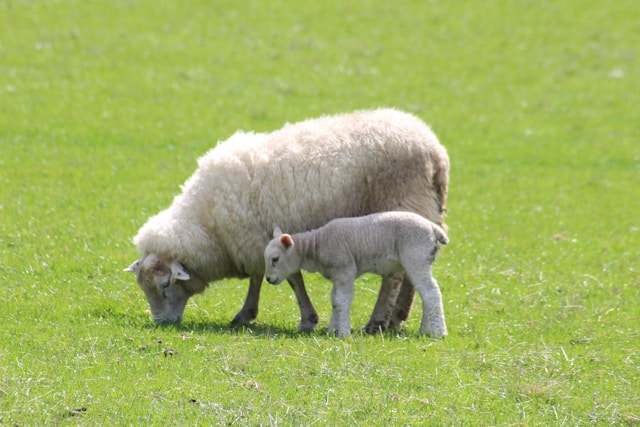
Alpacas hail from South America, primarily found in the Andean regions of Peru, Chile, and Bolivia, whereas sheep are widespread across Europe, Asia, and Africa. Alpaca wool, known for its natural softness and luxurious feel, is sourced from these graceful animals. In contrast, sheep's wool, produced globally, tends to be coarser in texture, with variations in quality depending on the breed.

Characteristics and Properties

Alpaca wool boasts hypoallergenic properties, making it suitable for individuals with sensitive skin, unlike sheep's wool, which can sometimes cause itching. Additionally, alpaca wool fibers are finer on average, resulting in garments that are softer, silkier, and offer better thermal regulation. Moreover, alpaca wool exhibits remarkable durability, resisting pilling and matting better than sheep's wool.
Use and Applications

Alpaca wool's exclusivity and superior quality make it a sought-after material, albeit at a higher price point compared to sheep's wool. Its lightweight nature and exceptional warmth render it ideal for various garments, especially those requiring insulation without bulk. However, sheep's wool remains an excellent choice for everyday wear and outdoor clothing, valued for its durability and versatility.

Sustainability and Ethics

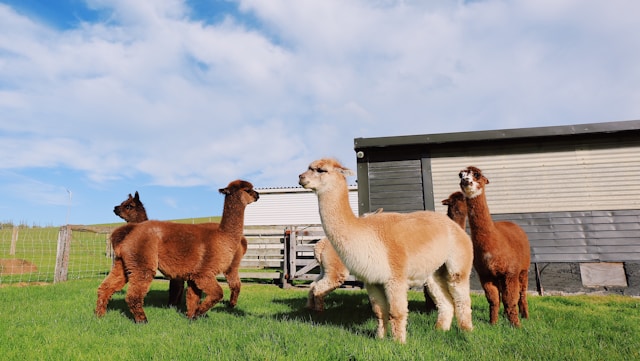
When considering sustainability and ethics, alpaca wool emerges as a favorable option. Alpacas have a lower environmental impact, emitting fewer greenhouse gases and requiring less water and feed compared to sheep. Additionally, ethical considerations include ensuring the welfare of animals, with Andes Alpaca prioritizing free-roaming alpacas to promote natural living conditions.
Conclusion

While both alpaca wool and sheep's wool offer distinct advantages, alpaca wool stands out for its softness, warmth, and eco-friendly attributes. However, consumer preferences and values should guide the choice between the two. Opting for sustainable and ethical practices ensures that high-quality products align with personal values and contribute to a more responsible industry.

Trending Now
|
4 Differences Between Alpaca Wool And Sheep Wool
Alpaca wool and sheep's wool are both esteemed materials in the fashion and textile industry, each offering unique qualities. In this article, we'll delve into a comprehensive comparison between the two, highlighting the exceptional benefits of alpaca wool.

Alpaca wool and sheep's wool are both esteemed materials in the fashion and textile industry, each offering unique qualities. In this article, we'll delve into a comprehensive comparison between the two, highlighting the exceptional benefits of alpaca wool.

Origin and Production

Alpacas hail from South America, primarily found in the Andean regions of Peru, Chile, and Bolivia, whereas sheep are widespread across Europe, Asia, and Africa. Alpaca wool, known for its natural softness and luxurious feel, is sourced from these graceful animals. In contrast, sheep's wool, produced globally, tends to be coarser in texture, with variations in quality depending on the breed.

Characteristics and Properties

Alpaca wool boasts hypoallergenic properties, making it suitable for individuals with sensitive skin, unlike sheep's wool, which can sometimes cause itching. Additionally, alpaca wool fibers are finer on average, resulting in garments that are softer, silkier, and offer better thermal regulation. Moreover, alpaca wool exhibits remarkable durability, resisting pilling and matting better than sheep's wool.

Use and Applications

Alpaca wool's exclusivity and superior quality make it a sought-after material, albeit at a higher price point compared to sheep's wool. Its lightweight nature and exceptional warmth render it ideal for various garments, especially those requiring insulation without bulk. However, sheep's wool remains an excellent choice for everyday wear and outdoor clothing, valued for its durability and versatility.

Sustainability and Ethics

When considering sustainability and ethics, alpaca wool emerges as a favorable option. Alpacas have a lower environmental impact, emitting fewer greenhouse gases and requiring less water and feed compared to sheep. Additionally, ethical considerations include ensuring the welfare of animals, with Andes Alpaca prioritizing free-roaming alpacas to promote natural living conditions.

Conclusion

While both alpaca wool and sheep's wool offer distinct advantages, alpaca wool stands out for its softness, warmth, and eco-friendly attributes. However, consumer preferences and values should guide the choice between the two. Opting for sustainable and ethical practices ensures that high-quality products align with personal values and contribute to a more responsible industry.

Trending Now