Types of Toothpaste
Toothpaste comes in a variety of formulations tailored to address specific oral health needs. Understanding the different types can help you select the one best suited for your dental care routine.
1. Fluoride Toothpaste
- Purpose: Prevents cavities and strengthens tooth enamel.
- Key Ingredient: Fluoride, a mineral that protects teeth from decay by remineralizing weakened enamel.
- Ideal For: General use and cavity prevention.
2. Whitening Toothpaste
- Purpose: Removes surface stains and brightens teeth.
- Key Ingredients: Mild abrasives, enzymes, or hydrogen peroxide.
- Ideal For: People seeking a whiter smile but not a replacement for professional whitening.
3. Tartar Control Toothpaste
- Purpose: Prevents the buildup of tartar (hardened plaque).
- Key Ingredients: Pyrophosphates or zinc citrate.
- Ideal For: Individuals prone to tartar accumulation.
4. Sensitivity Toothpaste
- Purpose: Reduces pain from sensitive teeth.
- Key Ingredients: Potassium nitrate or stannous fluoride, which block nerve pathways or protect enamel.
- Ideal For: People experiencing discomfort from hot, cold, sweet, or acidic foods.
5. Natural Toothpaste
- Purpose: Provides a chemical-free or eco-friendly alternative for oral care.
- Key Ingredients: Herbal extracts, essential oils, and natural abrasives like baking soda.
- Ideal For: Individuals preferring organic or sustainable products.
6. Antibacterial Toothpaste
- Purpose: Reduces harmful bacteria in the mouth to prevent gum disease and bad breath.
- Key Ingredient: Triclosan or other antibacterial agents.
- Ideal For: Preventing gingivitis and maintaining gum health.
7. Charcoal Toothpaste
- Purpose: Removes surface stains and claims detoxifying properties.
- Key Ingredient: Activated charcoal.
- Ideal For: Surface stain removal, but it should be used cautiously to avoid enamel abrasion.
8. Children's Toothpaste
- Purpose: Gentle cleaning for young teeth while preventing cavities.
- Key Ingredients: Lower fluoride content and appealing flavors.
- Ideal For: Children under the age of 12, with supervision for proper use.
9. Dry Mouth Toothpaste
- Purpose: Provides moisture and promotes saliva production.
- Key Ingredients: Enzymes, xylitol, and moisturizers.
- Ideal For: Individuals with dry mouth due to medications, aging, or medical conditions.
10. Herbal Toothpaste
- Purpose: Offers an alternative to chemical-based formulations.
- Key Ingredients: Neem, clove, or tea tree oil.
- Ideal For: People looking for holistic oral care solutions.
11. Baking Soda Toothpaste
- Purpose: Neutralizes acids and gently whitens teeth.
- Key Ingredient: Sodium bicarbonate (baking soda).
- Ideal For: Individuals preferring mild abrasives and natural cleaning properties.
Choosing the Right Toothpaste
When selecting a toothpaste, consider:
- Your specific dental needs (cavities, sensitivity, stains, etc.).
- Recommendations from your dentist.
- ADA or equivalent certifications for quality assurance.
The right toothpaste not only enhances your oral hygiene routine but also protects your teeth and gums, ensuring a healthy smile for years to come!
How to Choose the Right Toothpaste for You
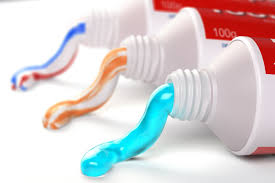
Selecting the right toothpaste depends on your specific oral health needs, personal preferences, and any recommendations from your dentist. Here's a step-by-step guide to help you make an informed choice:
1. Identify Your Dental Concerns
Different toothpastes are formulated for specific purposes. Start by considering your primary oral health goals:
- Cavity Prevention: Look for fluoride toothpaste to strengthen enamel and protect against decay.
- Whitening: Choose a whitening toothpaste with mild abrasives or hydrogen peroxide to remove surface stains.
- Sensitivity: Opt for toothpaste containing potassium nitrate or stannous fluoride to reduce tooth sensitivity.
- Gum Health: Select a toothpaste with antibacterial agents to reduce plaque and prevent gum disease.
- Tartar Control: Use a toothpaste with pyrophosphates or zinc citrate to prevent tartar buildup.
2. Look for Fluoride Content
Fluoride is a key ingredient in most toothpastes and is crucial for:
- Strengthening tooth enamel.
- Preventing cavities.
Ensure the toothpaste is approved by your local dental association (e.g., ADA Seal of Acceptance).
3. Consider Your Lifestyle Preferences
Some people may prioritize natural or sustainable products. If this resonates with you:
- Choose natural or herbal toothpaste made from plant-based ingredients.
- Opt for charcoal toothpaste cautiously, as it can be abrasive on enamel.
4. Take Note of Special Needs
If you or a family member have unique oral health needs, consider these options:
- Children: Use toothpaste with lower fluoride content and appealing flavors to encourage good brushing habits.
- Dry Mouth: Select a toothpaste formulated to increase saliva production and relieve dryness.
- Orthodontic Work: If you wear braces, choose toothpaste that effectively removes plaque from hard-to-reach areas.
5. Check for Sensitivity to Ingredients
Some people are sensitive to ingredients like sodium lauryl sulfate (SLS) or strong flavors. If you experience irritation:
- Choose an SLS-free toothpaste.
- Opt for mild-flavored toothpaste designed for sensitive mouths.
6. Consider Your Whitening Goals
If you want to brighten your smile, choose a toothpaste with whitening agents. However:
- For heavy stains, consult a dentist for professional whitening treatments, as toothpaste can only address surface stains.
7. Assess Quality and Safety
- Look for toothpaste with endorsements from dental associations, such as the ADA or equivalent in your region.
- Avoid unregulated products that may not meet safety or effectiveness standards.
Tips for Choosing the Best Toothpaste:
- Consult your dentist to understand your oral health needs better.
- Be cautious with heavily abrasive products that may damage enamel.
- Experiment with different types to find one that suits your needs and preferences.
By choosing the right toothpaste, you can enhance your oral hygiene routine and address specific dental concerns, ensuring a healthy, confident smile!
The Harm of Not Using Toothpaste for a Long Time

Toothpaste plays a crucial role in maintaining oral hygiene. Skipping it for an extended period can lead to a variety of dental and overall health problems:
1. Increased Risk of Cavities
- Toothpaste, especially those containing fluoride, strengthens enamel and protects against decay.
- Without it, plaque buildup and acid erosion can result in cavities and tooth loss.
2. Poor Gum Health
- Toothpaste helps remove plaque, the leading cause of gum disease.
- Without toothpaste, plaque buildup can lead to gingivitis (inflammation of the gums) and periodontitis, potentially causing tooth loss.
3. Bad Breath
- Toothpaste freshens breath and reduces odor-causing bacteria.
- Without it, food particles and bacteria can cause persistent bad breath (halitosis).
4. Surface Stains and Discoloration
- Toothpaste contains mild abrasives that remove surface stains.
- Over time, the lack of toothpaste can cause teeth to appear dull and yellow.
5. Increased Bacterial Growth
- Antibacterial agents in toothpaste help reduce harmful bacteria.
- Without it, bacteria can proliferate, increasing the risk of infections and oral health issues.
6. Reduced Protection Against Sensitivity
- Toothpaste for sensitive teeth helps block nerve pathways to reduce pain.
- Without it, sensitivity to hot, cold, or sweet foods can worsen.
7. Greater Risk of Systemic Health Issues
- Poor oral hygiene increases the risk of systemic conditions such as heart disease and diabetes, which are linked to gum disease.
The Benefits of Using Toothpaste

Regular use of toothpaste offers significant advantages for your oral and overall health:
1. Prevents Tooth Decay
- Fluoride in toothpaste strengthens enamel and protects against cavities.
2. Promotes Healthy Gums
- Toothpaste reduces plaque and bacteria, preventing gum disease and maintaining a healthy oral environment.
3. Freshens Breath
- Toothpaste eliminates odor-causing bacteria and leaves the mouth feeling clean and refreshed.
4. Removes Surface Stains
- Whitening toothpaste brightens teeth by gently removing surface stains.
5. Protects Against Tooth Sensitivity
- Specially formulated toothpaste for sensitivity provides relief and protection.
6. Helps Maintain Overall Health
- Good oral hygiene reduces the risk of systemic diseases linked to poor dental care, such as cardiovascular issues.
7. Enhances Oral Hygiene Routine
- Toothpaste makes brushing more effective and enjoyable, encouraging consistency in oral care habits.
Conclusion
Neglecting toothpaste can have serious consequences for your oral and overall health. On the other hand, using a quality toothpaste tailored to your needs ensures strong teeth, healthy gums, and fresh breath, contributing to a confident and healthy life.