Common Scenarios for Home Repairs in the U.S.
1. Roof Damage from Storms or Age
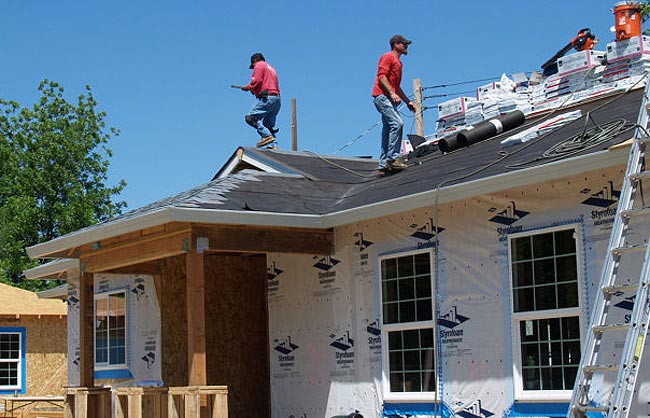
Roof damage is one of the most common and potentially costly home repairs. Weather conditions, such as hailstorms, heavy rain, and high winds, can lead to cracked shingles, leaks, and overall wear. Additionally, older roofs may begin to deteriorate due to age, resulting in water leakage and insulation issues. Roof repairs should not be delayed, as water infiltration can lead to structural damage and mold growth inside your home.
Signs Your Roof Needs Repair:
-
- Missing or damaged shingles
- Water stains on ceilings or walls
- Leaking during rainstorms
- Excessive granule loss in gutters
Plan for Roof Repair:
-
- Inspection: Have your roof professionally inspected every 2–3 years.
- Budgeting: Roof replacements can be expensive, often costing between $5,000 to $10,000 or more. Budget for long-term maintenance, especially if your roof is approaching 20 years of age.
- Emergency Repairs: Set aside a portion of your savings for emergency roof repairs, as unexpected damage can occur due to weather.
2. Plumbing Problems
Plumbing issues are inevitable in any home, whether it's a leaky faucet, clogged drain, or more severe problems like burst pipes. In older homes, the plumbing system might consist of outdated materials like galvanized steel, which can corrode and cause frequent leaks. More serious plumbing issues can lead to water damage and mold growth, which can become expensive to fix.
Signs You Need Plumbing Repair:
Low water pressure or discolored water
Leaks or water pooling around faucets, sinks, or pipes
Slow draining water or frequent clogs
Unpleasant odors from drains or sewage backups
Plan for Plumbing Repairs:
Routine Inspections: Schedule plumbing checks every 1–2 years to spot issues early.
Emergency Fund: Plumbing emergencies, such as burst pipes, can cost anywhere from $200 to $5,000 depending on severity, so ensure you have an emergency repair fund.
Upgrades: Consider upgrading old pipes, particularly if your home is more than 50 years old, to prevent future plumbing issues.
3. Electrical Problems
Electrical issues are some of the most dangerous home problems. Overloaded circuits, faulty wiring, or malfunctioning outlets can pose fire risks and should be addressed immediately. Older homes with outdated electrical systems might not support modern appliances, which can result in frequent power outages or blown fuses.
Signs You Need Electrical Repair:
Flickering lights or electrical surges
Outlets or switches that are warm to the touch
Burning smells or scorched outlets
Frequently tripped circuit breakers
Plan for Electrical Repairs:
Hire a Licensed Electrician: For any electrical issues, always hire a licensed professional to avoid safety hazards.
Upgrade Electrical Panel: If your home has an older electrical panel, it may be worth upgrading to support more powerful devices and meet current safety standards.
Safety Checks: Have your electrical system inspected every 3–5 years to ensure all wiring is safe and up to code.
4. Foundation Issues
Foundation problems are critical to address as soon as possible. If left unaddressed, they can affect the structural integrity of your home, causing doors and windows to misalign, floors to crack, and even leading to unsafe living conditions. In many cases, foundation problems are caused by shifting soil, poor drainage, or water damage.
Signs of Foundation Damage:
Cracks in walls, floors, or the foundation itself
Doors and windows that don’t close properly
Uneven or sloping floors
Moisture in the basement or crawl space
Plan for Foundation Repairs:
Early Detection: Monitor your home for early signs of foundation damage and consult with a structural engineer if you notice any cracks or changes.
Budgeting: Foundation repairs can cost anywhere from $2,000 to $7,000, depending on the severity of the problem, so plan ahead and budget accordingly.
Waterproofing: Install proper drainage systems around the foundation to prevent moisture buildup and further damage.
5. Window and Door Replacement
Windows and doors play an essential role in both the aesthetics and energy efficiency of your home. Old, cracked, or inefficient windows can let heat escape in the winter and let in unwanted heat during the summer, raising your energy bills. Additionally, worn-out doors may fail to secure your home properly, compromising both comfort and security.
Signs You Need Window or Door Replacement:
Drafts around windows or doors
Difficulty opening or closing windows and doors
Cracked or damaged glass
High energy bills
Plan for Window and Door Replacement:
Energy Efficiency: Consider installing double-paned, Low-E windows to improve insulation and reduce energy consumption.
Security Features: When replacing doors, opt for models with reinforced frames and modern locking mechanisms to enhance home security.
Maintenance: Regularly inspect the seals and frames around windows and doors to prevent air leaks and ensure proper functioning.
6. Exterior and Interior Painting
Both the interior and exterior of your home need to be painted periodically to maintain aesthetic appeal and protect against the elements. Exterior paint can fade, crack, or peel due to weather exposure, while interior walls can become scuffed and stained over time. Repainting helps protect surfaces from damage and ensures your home looks well-maintained.
Signs Your Home Needs Painting:
Peeling or cracking exterior paint
Stains, scuffs, or faded colors on interior walls
Mold or mildew growth due to excess moisture
Curb appeal decline due to faded or chipped paint
Plan for Painting:
Frequency: Exterior painting should be done every 5–7 years, while interior painting may need touch-ups every 3–5 years, depending on wear.
Prep Work: Before painting, ensure all surfaces are prepped properly to avoid issues like peeling or cracking down the line.
DIY or Professional: Consider hiring a professional painter if your home has extensive surface area or requires detailed work.
How to Plan for Home Repairs
Create a Home Maintenance Checklist
Maintain a seasonal or annual checklist of repairs for your home. Regularly inspect different areas of the home, such as the roof, plumbing, electrical system, and foundation, to identify potential problems before they become major issues.
Budget for Repairs
Home repairs can add up quickly, so it’s important to budget ahead. Consider setting aside 1%–3% of your home's value each year for maintenance and repairs. Additionally, having an emergency repair fund will help cover unexpected issues.
Prioritize Repairs
Some repairs are more urgent than others. Safety-related repairs, such as plumbing leaks, electrical issues, or structural damage, should be dealt with immediately. Cosmetic repairs, like painting or minor renovations, can be done when time and budget allow.
Hire Professionals When Necessary
Some home repairs, especially those involving plumbing, electrical work, or structural issues, require specialized skills. Always hire licensed professionals to ensure the work is done correctly and safely.
Conclusion
Home repairs are an essential part of maintaining a safe, comfortable, and valuable property. Regular inspections, early detection, and strategic planning will help you avoid costly emergency repairs and keep your home in top condition. Whether it’s a roof replacement, plumbing issue, or window upgrade, taking proactive steps will save you time, money, and headaches in the long run.