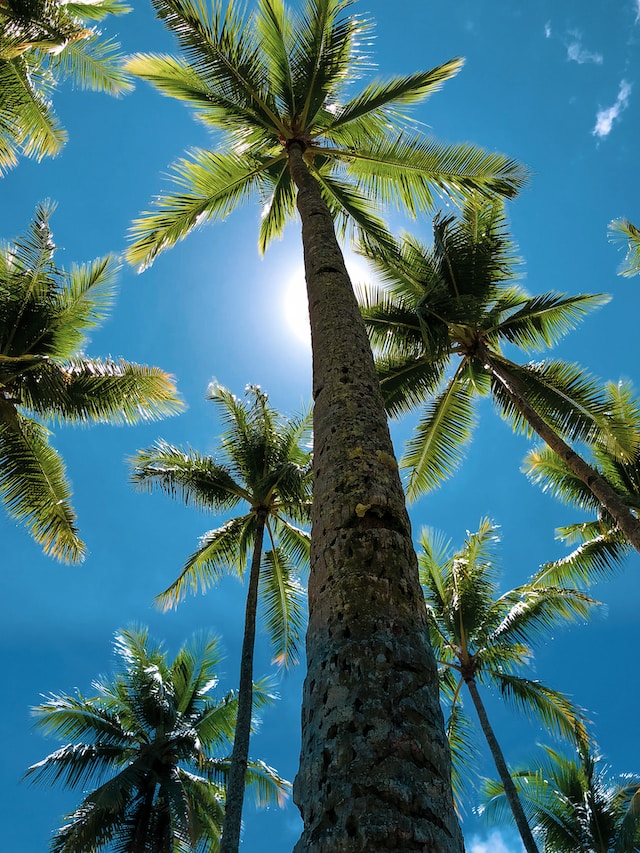
Unraveling the Wonders of Coconut Palms
Coconut palm trees, contrary to popular belief, are not indigenous to the Americas. Originating in the Indo-Pacific region, specifically between Malaysia and Polynesia, they are now extensively cultivated in countries like Brazil, Mexico, and the Caribbean. Southern Florida houses most coconut palm trees in the USA.

Coconut palm trees, contrary to popular belief, are not indigenous to the Americas. Originating in the Indo-Pacific region, specifically between Malaysia and Polynesia, they are now extensively cultivated in countries like Brazil, Mexico, and the Caribbean. Southern Florida houses most coconut palm trees in the USA.

Towering Heights and Pruning: These palms can reach up to 100 feet, nearly the height of a 10-story building. However, cultivated ones are typically pruned to a more manageable 20-30 feet to facilitate harvesting. Caution is advised during wind storms due to falling coconuts.

Fronds and Their Versatility: The leaves of the coconut palm, termed fronds, extend up to 20 feet. Used in traditional crafts and building materials such as baskets, roofs, and fans, these fronds showcase the tree's multifaceted utility.

Resilience and Environmental Role: Coconut palm trees exhibit remarkable resilience, thriving in sandy, salty soils, extreme temperatures, and hurricane-prone regions. They serve as natural barriers, protecting coastal communities and are known for their salt tolerance.

Drupe, Not a Nut: Contrary to popular perception, the coconut fruit is not a nut but a drupe. This means it has a hard outer layer and a fleshy inner layer.

Coconut Water Riches: Each coconut contains approximately 200-1000 milliliters of coconut water, a clear, sweet liquid praised for its electrolytes, vitamins, and hydrating properties.

Coconut Milk Distinction: Coconut milk, used in cooking and baking, is crafted by grating mature coconut flesh and blending it with hot water. Different from coconut water, this milk is derived from the mature coconut.
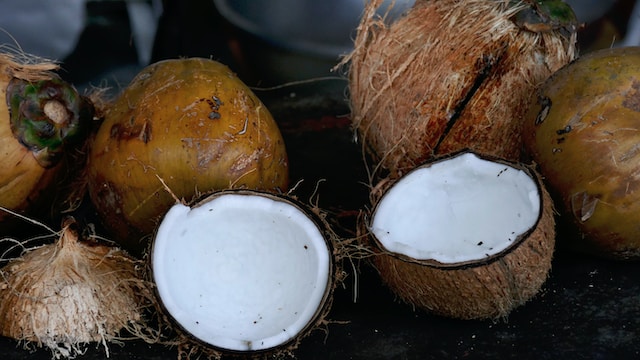
Health and Beauty Elixir: Coconut oil, derived from mature coconut meat, boasts various health and beauty benefits. Its uses span cooking, moisturizing, hair care, and more.

Cultural Symbolism: In numerous cultures, the coconut palm symbolizes life, fertility, and prosperity. It features prominently in rituals, weddings, and celebrations.

Environmental Stewardship: Beyond culinary and cultural significance, coconut palms offer vital environmental benefits by providing habitat and food for wildlife.

Palm Wine and Toddy: In some regions, coconut palm tree sap is fermented to create an alcoholic beverage known as palm wine or toddy, offering a sweet, tangy flavor.

Multi-functional Beauties: Apart from their culinary and cultural roles, coconut palm trees serve various functions. They provide shade, filter pollutants, and absorb carbon dioxide from the atmosphere.

Utilizing Coconut Wood: While not exceptionally strong, coconut palm tree wood finds use in low-stress applications like furniture, panels, and boxes.
Traditional Medicine: Coconut palm tree trunks are utilized in traditional medicine, with the juice, bark, and roots believed to possess anti-inflammatory, antimicrobial, and digestive properties.

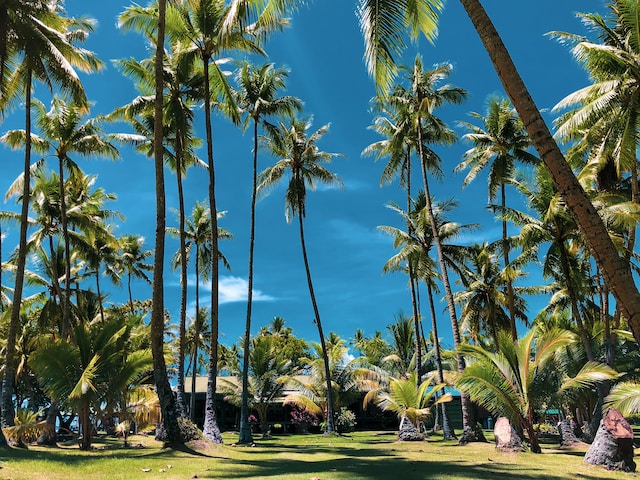
Ornamental Appeal: Beyond their functional uses, coconut palm trees are valued for their ornamental appeal. Their tall trunks and leafy fronds make them popular choices for landscaping.

Tourism and Cultural Activities: Coastal communities leverage coconut palms for tourism, offering activities like coconut harvesting and cooking classes.

Natural Sunscreen: Coconut palm tree fronds, containing compounds protecting the skin from harmful UV rays, are used as a natural sunscreen.

Extended Shelf Life: Mature coconuts can last up to six months when stored in a cool, dry place.

Diverse Varieties: Numerous coconut palm tree varieties each possess unique characteristics and applications. Some are favored for coconut water, while others are ideal for producing copra, the dried coconut meat used to make oil.

Global Food Security: Coconut palm trees play a crucial role in global food security, offering versatile and sustainable crops that provide food, fuel, and resources for millions.

Versatility in Nature's Bounty

The coconut palm tree, far beyond its aesthetic allure, stands as a testament to its versatility in human culture and survival. From culinary delights to cultural symbolism, its multifaceted contributions have shaped societies for centuries. So, whether indulging in coconut water, seeking shade under its fronds, or admiring its beauty, take a moment to marvel at the diversity and wonder encapsulated in this extraordinary species.

Trending Now
|
Unraveling the Wonders of Coconut Palms
Coconut palm trees, contrary to popular belief, are not indigenous to the Americas. Originating in the Indo-Pacific region, specifically between Malaysia and Polynesia, they are now extensively cultivated in countries like Brazil, Mexico, and the Caribbean. Southern Florida houses most coconut palm trees in the USA.

Coconut palm trees, contrary to popular belief, are not indigenous to the Americas. Originating in the Indo-Pacific region, specifically between Malaysia and Polynesia, they are now extensively cultivated in countries like Brazil, Mexico, and the Caribbean. Southern Florida houses most coconut palm trees in the USA.

Towering Heights and Pruning: These palms can reach up to 100 feet, nearly the height of a 10-story building. However, cultivated ones are typically pruned to a more manageable 20-30 feet to facilitate harvesting. Caution is advised during wind storms due to falling coconuts.

Fronds and Their Versatility: The leaves of the coconut palm, termed fronds, extend up to 20 feet. Used in traditional crafts and building materials such as baskets, roofs, and fans, these fronds showcase the tree's multifaceted utility.

Resilience and Environmental Role: Coconut palm trees exhibit remarkable resilience, thriving in sandy, salty soils, extreme temperatures, and hurricane-prone regions. They serve as natural barriers, protecting coastal communities and are known for their salt tolerance.

Drupe, Not a Nut: Contrary to popular perception, the coconut fruit is not a nut but a drupe. This means it has a hard outer layer and a fleshy inner layer.

Coconut Water Riches: Each coconut contains approximately 200-1000 milliliters of coconut water, a clear, sweet liquid praised for its electrolytes, vitamins, and hydrating properties.

Coconut Milk Distinction: Coconut milk, used in cooking and baking, is crafted by grating mature coconut flesh and blending it with hot water. Different from coconut water, this milk is derived from the mature coconut.

Health and Beauty Elixir: Coconut oil, derived from mature coconut meat, boasts various health and beauty benefits. Its uses span cooking, moisturizing, hair care, and more.

Cultural Symbolism: In numerous cultures, the coconut palm symbolizes life, fertility, and prosperity. It features prominently in rituals, weddings, and celebrations.

Environmental Stewardship: Beyond culinary and cultural significance, coconut palms offer vital environmental benefits by providing habitat and food for wildlife.

Palm Wine and Toddy: In some regions, coconut palm tree sap is fermented to create an alcoholic beverage known as palm wine or toddy, offering a sweet, tangy flavor.

Multi-functional Beauties: Apart from their culinary and cultural roles, coconut palm trees serve various functions. They provide shade, filter pollutants, and absorb carbon dioxide from the atmosphere.

Utilizing Coconut Wood: While not exceptionally strong, coconut palm tree wood finds use in low-stress applications like furniture, panels, and boxes.

Traditional Medicine: Coconut palm tree trunks are utilized in traditional medicine, with the juice, bark, and roots believed to possess anti-inflammatory, antimicrobial, and digestive properties.

Ornamental Appeal: Beyond their functional uses, coconut palm trees are valued for their ornamental appeal. Their tall trunks and leafy fronds make them popular choices for landscaping.

Tourism and Cultural Activities: Coastal communities leverage coconut palms for tourism, offering activities like coconut harvesting and cooking classes.

Natural Sunscreen: Coconut palm tree fronds, containing compounds protecting the skin from harmful UV rays, are used as a natural sunscreen.

Extended Shelf Life: Mature coconuts can last up to six months when stored in a cool, dry place.

Diverse Varieties: Numerous coconut palm tree varieties each possess unique characteristics and applications. Some are favored for coconut water, while others are ideal for producing copra, the dried coconut meat used to make oil.

Global Food Security: Coconut palm trees play a crucial role in global food security, offering versatile and sustainable crops that provide food, fuel, and resources for millions.

Versatility in Nature's Bounty

The coconut palm tree, far beyond its aesthetic allure, stands as a testament to its versatility in human culture and survival. From culinary delights to cultural symbolism, its multifaceted contributions have shaped societies for centuries. So, whether indulging in coconut water, seeking shade under its fronds, or admiring its beauty, take a moment to marvel at the diversity and wonder encapsulated in this extraordinary species.

Trending Now