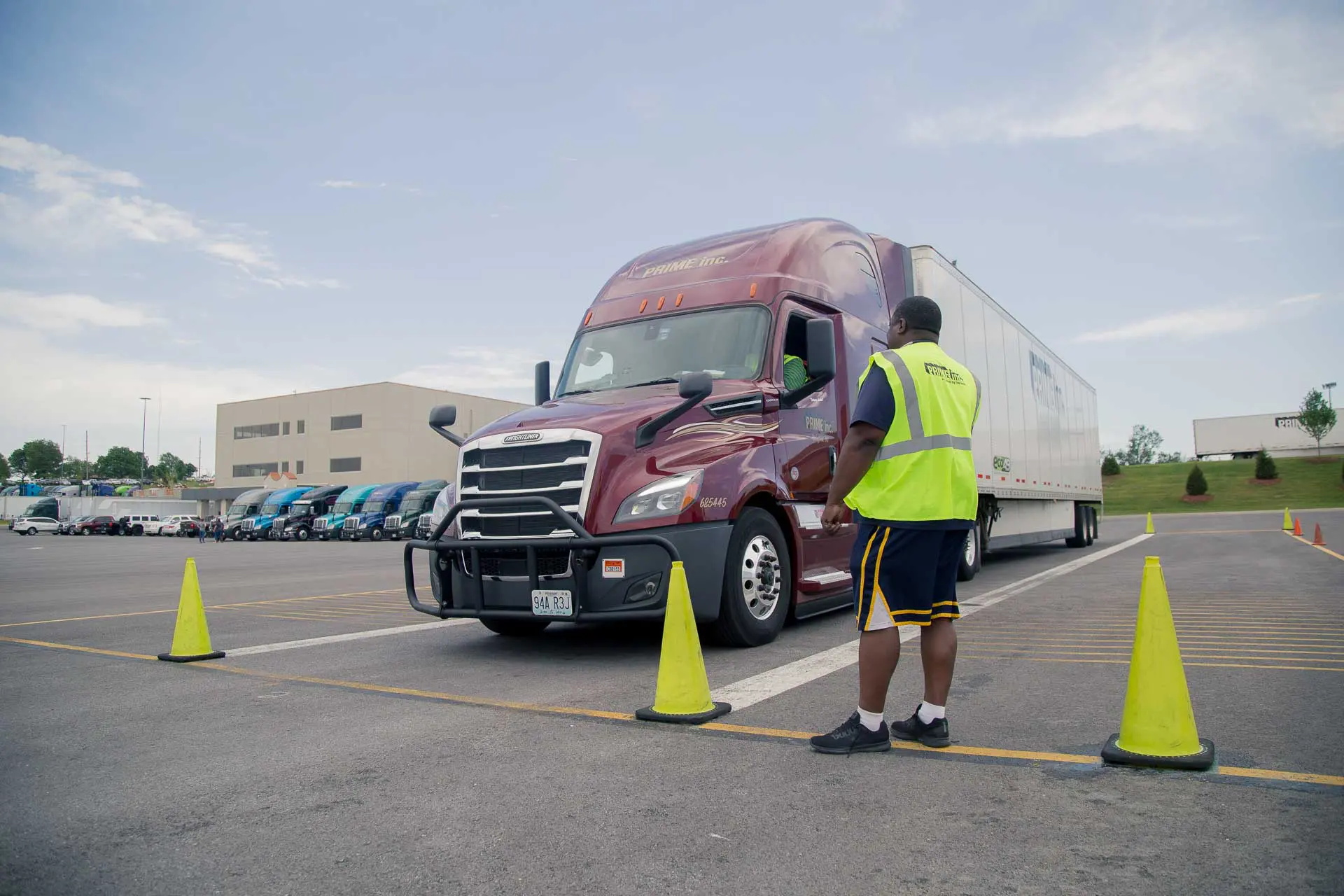
The US CDL Apprenticeship Program: A Pathway to a Rewarding Trucking Career
The trucking industry is a critical component of the U.S. economy, responsible for transporting goods across the country. However, the sector faces a significant shortage of qualified drivers, creating opportunities for new entrants. One of the most effective solutions to this challenge is the Commercial Driver’s License (CDL) apprenticeship program, which provides structured training and career development for aspiring truck drivers.

Development Prospects for Truck Drivers

The demand for truck drivers continues to grow, with the American Trucking Associations (ATA) estimating a shortage of over 80,000 drivers. This figure is expected to rise in the coming years, making truck driving one of the most stable and lucrative career paths for individuals seeking job security and competitive wages.

Truck drivers can expect an average salary ranging from $50,000 to $100,000 annually, depending on experience, endorsements, and the type of freight transported. Additionally, there are ample opportunities for career advancement, including roles as owner-operators, fleet managers, and logistics coordinators.

Specific Content of the Apprenticeship Program

The CDL apprenticeship program is designed to provide hands-on training, allowing participants to gain practical experience while earning a salary. The program typically includes the following components:

Classroom Instruction: Covers federal and state regulations, vehicle inspection procedures, defensive driving techniques, and industry best practices.

On-the-Road Training: Apprentices work under the supervision of experienced mentors to learn essential driving skills, including handling different road conditions, maneuvering large vehicles, and understanding fuel efficiency techniques.

Safety and Compliance Training: Focuses on ensuring adherence to Department of Transportation (DOT) guidelines, hours-of-service regulations, and cargo securement rules.

Skill Development and Evaluation: Regular assessments help apprentices refine their driving capabilities, identify areas for improvement, and build confidence in operating commercial vehicles.

Career Advancement Support: Many programs offer job placement assistance and opportunities for further specialization, such as hazardous materials (HazMat) or tanker endorsements.

Recommendations from Relevant Institutions and Organizations

1.Millis Training Institute Apprenticeship Program

Millis Training Institute offers a no-cost apprenticeship program where participants earn $600 per week during classroom instruction. After completing training, apprentices start at $0.34 per mile, with the potential to earn $0.48 per mile. Graduates are guaranteed full-time driver positions with Millis Transfer. ​

2.J.B. Hunt Apprenticeship Program

J.B. Hunt provides a paid apprenticeship program for recent CDL-A graduates. This program offers on-the-job training, enabling new drivers to gain experience and transition into professional driving careers. ​

3.ANEW Commercial Driver's License Program

ANEW offers a free CDL program that allows students to earn Class A and B Commercial Driver's Licenses. The program includes both classroom instruction and hands-on driving experience, complemented by supportive services to help participants overcome employment barriers. Women are especially encouraged to apply. ​

4.Job Corps CDL Training

Administered by the U.S. Department of Labor, Job Corps provides free education and vocational training, including CDL training, to young people aged 16 to 24. The program aims to improve the quality of life through vocational and academic training geared toward gainful employment.

Conclusion

The CDL apprenticeship program presents a viable pathway to a stable and rewarding career in trucking. With increasing demand, competitive salaries, and opportunities for professional growth, aspiring drivers can benefit significantly from these structured training programs. By leveraging resources from industry organizations and government initiatives, individuals can embark on a successful journey in the trucking sector while helping to address the national driver shortage.

Trending Now
|
The US CDL Apprenticeship Program: A Pathway to a Rewarding Trucking Career
The trucking industry is a critical component of the U.S. economy, responsible for transporting goods across the country. However, the sector faces a significant shortage of qualified drivers, creating opportunities for new entrants. One of the most effective solutions to this challenge is the Commercial Driver’s License (CDL) apprenticeship program, which provides structured training and career development for aspiring truck drivers.

Development Prospects for Truck Drivers

The demand for truck drivers continues to grow, with the American Trucking Associations (ATA) estimating a shortage of over 80,000 drivers. This figure is expected to rise in the coming years, making truck driving one of the most stable and lucrative career paths for individuals seeking job security and competitive wages.

Truck drivers can expect an average salary ranging from $50,000 to $100,000 annually, depending on experience, endorsements, and the type of freight transported. Additionally, there are ample opportunities for career advancement, including roles as owner-operators, fleet managers, and logistics coordinators.

Specific Content of the Apprenticeship Program

The CDL apprenticeship program is designed to provide hands-on training, allowing participants to gain practical experience while earning a salary. The program typically includes the following components:

Classroom Instruction: Covers federal and state regulations, vehicle inspection procedures, defensive driving techniques, and industry best practices.

On-the-Road Training: Apprentices work under the supervision of experienced mentors to learn essential driving skills, including handling different road conditions, maneuvering large vehicles, and understanding fuel efficiency techniques.

Safety and Compliance Training: Focuses on ensuring adherence to Department of Transportation (DOT) guidelines, hours-of-service regulations, and cargo securement rules.

Skill Development and Evaluation: Regular assessments help apprentices refine their driving capabilities, identify areas for improvement, and build confidence in operating commercial vehicles.

Career Advancement Support: Many programs offer job placement assistance and opportunities for further specialization, such as hazardous materials (HazMat) or tanker endorsements.

Recommendations from Relevant Institutions and Organizations

1.Millis Training Institute Apprenticeship Program

Millis Training Institute offers a no-cost apprenticeship program where participants earn $600 per week during classroom instruction. After completing training, apprentices start at $0.34 per mile, with the potential to earn $0.48 per mile. Graduates are guaranteed full-time driver positions with Millis Transfer. ​

2.J.B. Hunt Apprenticeship Program

J.B. Hunt provides a paid apprenticeship program for recent CDL-A graduates. This program offers on-the-job training, enabling new drivers to gain experience and transition into professional driving careers. ​

3.ANEW Commercial Driver's License Program

ANEW offers a free CDL program that allows students to earn Class A and B Commercial Driver's Licenses. The program includes both classroom instruction and hands-on driving experience, complemented by supportive services to help participants overcome employment barriers. Women are especially encouraged to apply. ​

4.Job Corps CDL Training

Administered by the U.S. Department of Labor, Job Corps provides free education and vocational training, including CDL training, to young people aged 16 to 24. The program aims to improve the quality of life through vocational and academic training geared toward gainful employment.

Conclusion

The CDL apprenticeship program presents a viable pathway to a stable and rewarding career in trucking. With increasing demand, competitive salaries, and opportunities for professional growth, aspiring drivers can benefit significantly from these structured training programs. By leveraging resources from industry organizations and government initiatives, individuals can embark on a successful journey in the trucking sector while helping to address the national driver shortage.

Trending Now