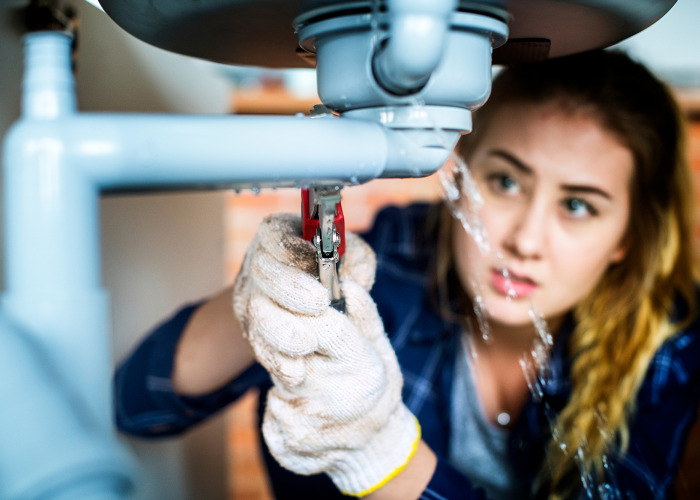
The cost of plumbing services in Canada varies based on factors such as location, type of service, complexity of the job, and the plumber's experience level. This article dives into each of these areas to provide a comprehensive overview of plumbing costs in Canada.
Factors that influence plumbing costs
Location:
Urban vs. Rural: Plumbing services in urban areas such as Toronto, Vancouver, and Calgary tend to be more expensive than in rural areas. Higher costs of living, greater demand, and the availability of skilled labor in cities contribute to this price difference.
Provincial differences: Cost structures vary from province to province. For example, plumbing services in British Columbia and Ontario are generally more expensive than in provinces such as Manitoba, Newfoundland, and Labrador due to different costs of living and business operations.
Types of services:
Emergency repairs: Emergency plumbing services, such as fixing a burst pipe or overflowing toilet, are generally more expensive due to the urgency of the work and the need for an immediate response. These services can be provided 24/7, with prices that reflect the inconvenience and quick deployment.
Routine maintenance: Regular maintenance tasks, such as drain cleaning or minor leak repairs, are generally less expensive than emergency repairs. Regular services allow plumbers to plan their work and resources efficiently, which reduces costs.
Installation and Renovation: Installing new plumbing or renovating existing plumbing can be expensive, depending on the size of the project. This includes installing new pipes, fixtures, water heaters, and even the plumbing of an entire bathroom or kitchen.
Complexity of the Work:
Simple Repairs: Fixing a leaky faucet or unclogging a drain are relatively simple tasks that usually cost less.
Complex Projects: More complex jobs, such as re-piping an entire house, installing a new water heater, or addressing severe water damage, require more time, specialized tools, and expertise, which increases the cost.
Plumber's Experience and Expertise:
License Plumbers: Hiring a licensed and experienced plumber usually costs more, but it ensures high-quality work and compliance with local building codes and standards. Their rates range from $80 to $150 per hour.
Apprentices and Handymen: Less experienced plumbers or general handymen charge less, usually between $50 and $80 per hour. While they can handle basic tasks, they may lack the skills for complex jobs.
Typical plumbing costs across Canada
To put things into perspective, here are some typical costs for common plumbing services in cities across Canada:
Toronto, Ontario:
Hourly rates: $90 to $150
Drain cleaning: $150 to $300
Water heater installation: $1,000 to $2,500
Emergency repair: $150 to $300 per hour
Vancouver, British Columbia:
Hourly rates: $100 to $160
Drain cleaning: $175 to $325
Water heater installation: $1,200 to $2,700
Emergency repair: $175 to $350 per hour
Montreal, Quebec:
Hourly rates: $80 to $140
Drain cleaning: $125 to $275
Water heater Installation: $900 to $2,200
Emergency repair: $140 to $280 per hour
Calgary, Alberta:
Hourly rate: $85 to $150
Drain cleaning: $150 to $300
Water heater installation: $1,000 to $2,500
Emergency repair: $150 to $300 per hour
Halifax, Nova Scotia:
Hourly rate: $70 to $130
Drain cleaning: $125 to $250
Water heater installation: $800 to $2,000
Emergency repair: $130 to $260 per hour
How the fees are structured
Plumbing companies in Canada typically structure their fees in a few common ways:
Hourly rate: This is the simplest pricing model, where the customer is billed based on the number of hours the plumber works. This model is common for repair and maintenance tasks.
Flat rate: For specific jobs, such as installing a water heater or re-tiling a part of a house, a plumber may offer a flat rate. This provides transparency and predictability for homeowners.
Per-job: Some plumbing tasks are charged on a per-job basis, especially for common repairs like fixing a leaky faucet or unclogging a drain. The cost is usually predetermined based on the nature of the job.
Call-out fee: Many plumbers charge a call-out fee, which covers the cost of traveling to the client's location and performing an initial assessment. This fee can range from $50 to $100 and is usually applied to the final bill if the job is accepted.
Emergency surcharge: For emergency, after-hours, or holiday jobs, plumbers will often charge an emergency surcharge on top of their standard rate. This reflects the inconvenience and need for immediate service.
The role of independent plumbers
In addition to established plumbing companies, many Canadians choose to hire independent plumbers. These independent contractors often have lower overheads and can offer more competitive rates. However, while they may be more affordable, it's critical to make sure they are licensed and insured to guarantee the quality and safety of their work.
Tips to reduce plumbing costs
Preventive maintenance: Regular maintenance can prevent major problems from developing, saving money in the long run. For example, regularly cleaning drains and checking for leaks can help avoid costly repairs.
Get multiple quotes: Before hiring a plumber, it's wise to get multiple prices. This helps ensure you're getting a fair price and allows you to compare services.
DIY minor repairs: For small, simple tasks, like replacing a shower head or unclogging a sink, consider doing it yourself if you have the necessary skills and tools. However, be careful not to take on tasks that are beyond your expertise, as this could lead to more serious problems.
Build a relationship: Building a good relationship with a reliable plumber can sometimes lead to discounts or preferential treatment. Loyal customers may benefit from lower rates or faster response times.
Plan ahead: Schedule non-urgent work during normal business hours whenever possible to avoid surcharges.