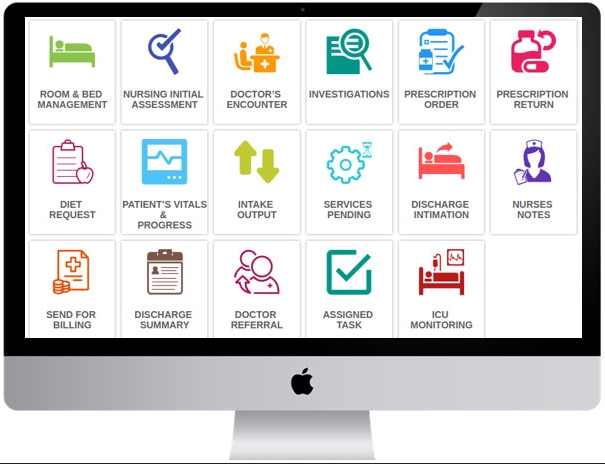
7 benefits of using care management software
1. Enhanced client care
Good care management software can provide a centralised platform for storing, accessing, and updating patient information, care plans, assessments, and other relevant documentation. Access to comprehensive client records and medical information makes it easier for providers to deliver better care services and focus on quality.
For example, Jim is an NDIS participant who likes to spend time in a park, so his physiotherapist schedules his sessions at his favourite park nearby. Jim is thrilled with his therapist going the extra mile, so he tells all his friends about the care provider’s services. The care provider gains three new participants thanks to Jim’s word-of-mouth recommendation.
A good NDIS client management system has the ability to track these participant preferences. Employees don’t spend time overloaded with paperwork because all inputs are automated. They can actually use the time to provide better care.
2. Streamlined care services
One of the best ways to enhance the quality of care is to streamline and automate the services so that employees aren’t saddled with paperwork and other process-driven tasks and can focus on their client’s needs. This includes proper communication between clients and staff, between staff members passing over shift notes, incidents, accessing medical records and much more.
A higher level of automation means that things don’t slip through the cracks because they are recorded, so no need to deal with lost paperwork and misplaced notes. Automating routine tasks, setting up reminders, scheduling and more frees up valuable healthcare professional time to focus on what truly matters – delivering high-quality care to patients.
3. Improved compliance with regulations
The NDIS and the OOHC have high compliance requirements to ensure proper quality of care is provided to those in need. It’s easy to miss without the right systems to enable compliance measures, which can result in hefty non-compliance actions.
For example, NDIS providers must have an incident reporting system in place so that matters of significance are reported to the NDIS Commission. Failure to report within the statutory timeframe can lead to infringement notices and compliance actions. A good care management software should be able to help you meet most of your NDIS reporting requirements.
4. Better reporting
Good care management software provides real-time insights and generates reports about participants, allowing providers to tailor plans, monitor progress and adjust treatments based on accurate information. In-built or customised forms can make it easier to store records for compliance purposes.
Modern technology provides access to real-time data. This allows providers to assess and monitor performance, identifying gaps in services provided and improvements necessary. It makes it easier for providers to identify trends, patterns and opportunities to improve the quality of care and grow their businesses within the regulatory framework provided to them.
5. Reduced administration costs
Automating tasks previously done manually can save a tremendous amount of time on mundane admin tasks, allowing staff to focus on more value-added tasks rather than getting bogged down by repetitive activities. You may not need as many staff members to handle admin-related tasks, which can save costs and improve business cash flow.
Tasks also get completed faster, improving the overall efficiency of operations. NDIS software works by streamlining admin tasks, allowing you to allocate resources towards caring for participants and their needs, improving your quality of care and contributing to your potential growth while reducing admin costs.
6. Reduced risk of human error
Unfortunately, human error is an inevitable issue when tasks are manual. The software can reduce these errors and prevent costly mistakes, saving you money in the long run.
For instance, Bob, an NDIS participant must be given medication at a particular time daily. With shift changes and new staff coming on board, this can be easy to miss – resulting in health consequences for Bob, who must be rushed to the hospital. This incident also needs to be written up for the NDIS.
A medication management module with in-built reminders will ensure staff are alerted when it’s time to provide the medicine to Bob. This significantly reduces human error when providing care in different settings or by different people.
7. Reduced administrative burden on staff
The reduced administrative burden on staff takes them away from time-consuming paperwork so they can focus on helping clients without burning out and leaving the industry.
When your staff members feel valued and able to perform tasks in a more stress-free environment, they are happier and likely to remain in their jobs without looking elsewhere – ultimately improving your retention rate and ensuring consistency of services without having to retrain new staff time and time again. Once administrative tasks are streamlined, staff can allocate their time better and contribute to the growth of your business.
------------------------------------------------------------------------------------
Specifically, care management software streamlines the various aspects of patient management, including treatment planning, medication management, and healthcare service coordination. It provides a reliable source of updated measurement information that reduces the risk of misaligned resources and unreliable results.