
Types of Phones for Seniors
When it comes to choosing a phone, there are different options available depending on the senior’s preferences and needs. Here are some popular choices:
Basic Cell Phones: These phones are simple and easy to use, ideal for seniors who mainly need to make calls or send basic texts. They feature large buttons, a clear display, and long battery life. Popular examples include the Jitterbug Flip and Snapfon ezTWO.
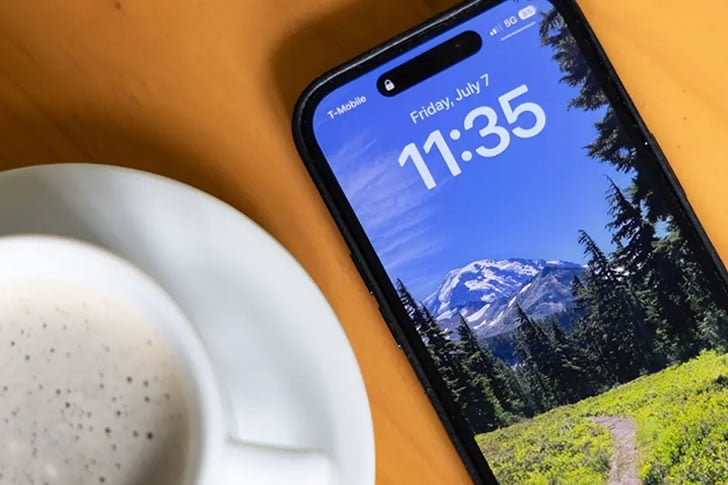
Smartphones for Seniors: Some seniors prefer smartphones that can offer more features, such as internet access, apps, and touchscreens. Many modern smartphones offer senior-friendly options like larger text, simplified menus, and voice-activated assistants. iPhones and Samsung Galaxy smartphones are good examples, with specific modes designed for seniors.
Feature Phones: These are a middle ground between basic phones and smartphones. They offer some smart features but are less complex than a full smartphone. Nokia 6300 4G and Alcatel Go Flip are some options in this category.
How to Choose the Right Phone for Seniors
When selecting a phone, consider the following factors:
- Ease of use: Choose a phone with large buttons or a simplified interface.
- Battery life: Look for a phone with long battery life to avoid frequent charging.
- Accessibility features: Features like voice commands, adjustable font sizes, and hearing aid compatibility are important for seniors.
- Durability: Phones that are resistant to drops and spills can be beneficial.
Popular Phone Types: A Quick Comparison
Here’s a quick comparison of the most popular phones for seniors:
|
Phone Type |
Best For |
Features |
Examples |
|
Basic Phones |
Seniors who need simplicity |
Large buttons, easy calling, long battery life |
Jitterbug Flip, Snapfon ezTWO |
|
Smartphones |
Seniors who want more features |
Touchscreen, internet, apps, camera, voice control |
iPhone SE, Samsung Galaxy A32 |
|
Feature Phones |
Seniors who want some smart features but not complexity |
4G, simple interface, some apps |
Nokia 6300 4G, Alcatel Go Flip |
Mobile Plan Types
Once you’ve chosen the right phone, the next step is selecting the best mobile plan. Here are the main types of plans available:
Prepaid Plans: These plans allow you to pay for service upfront, often with no contract. They’re ideal for seniors who want to avoid unexpected fees. Many prepaid plans offer affordable monthly rates and flexibility. Popular options include T-Mobile Prepaid and Mint Mobile.
Postpaid Plans: These are traditional plans where you pay at the end of the month based on your usage. They usually come with more features, but they may be more expensive. Examples include Verizon Unlimited or AT&T Unlimited Elite.
Pay-as-you-go Plans: These plans are ideal for seniors who don’t use their phones often. You only pay for what you use, so you’re not locked into a monthly fee. Tracfone and T-Mobile's Pay As You Go plan are good options.
Family Plans: If you have family members who need a phone, family plans can be more cost-effective. They usually offer shared data and lower prices for each additional line. Xfinity Mobile and Verizon’s Family Plan are popular options.
How to Choose the Right Mobile Plan for Seniors
When selecting a mobile plan, consider these factors:
- Data Usage: If you don’t plan to use the internet often, consider a plan with limited data or no data at all.
- Talk and Text: Some plans offer unlimited talk and text, which is great if you plan to use the phone mainly for communication.
- Budget: Look for a plan that fits within your monthly budget. Prepaid and pay-as-you-go plans tend to be more affordable.
Popular Mobile Plans: A Quick Comparison
Here’s a breakdown of some popular mobile plans for seniors:
|
Mobile Plan Type |
Best For |
Features |
Examples |
|
Prepaid Plans |
Seniors who want flexibility |
No contract, pay upfront, affordable, flexible |
T-Mobile Prepaid, Mint Mobile |
|
Postpaid Plans |
Seniors who use their phones frequently |
Monthly billing, more features, unlimited data options |
Verizon Unlimited, AT&T Elite |
|
Pay-as-you-go Plans |
Seniors who don’t use their phone often |
Pay only for what you use, no monthly fee |
Tracfone, T-Mobile Pay As You Go |
|
Family Plans |
Families with multiple lines |
Shared data, lower costs for each additional line |
Xfinity Mobile, Verizon Family Plan |
Popular Mobile Retailers & How to Compare Prices
When shopping for a phone and mobile plan, it’s important to compare prices and services from different retailers. Some of the top retailers and online stores include:
- Best Buy: Offers a variety of phones for seniors and often runs sales and promotions.
- Walmart: A great place to find budget-friendly phones and prepaid plans.
- Target: Sells both smartphones and feature phones, along with popular mobile plan options.
- Amazon: A go-to for affordable phones, accessories, and unlocked devices.
- Carrier Stores: Verizon, AT&T, T-Mobile, and Sprint all have retail stores where you can purchase phones and plans directly.
How to Find the Best Deals
- Look for sales and discounts: Many retailers offer seasonal sales or promotions, especially around the holidays.
- Compare plans: Use online comparison tools to find the best mobile plan deals for seniors.
- Check for bundling offers: Some retailers offer bundle deals where you can get a discount on a phone and mobile plan when purchased together.
Common Questions About Senior Phones and Plans
Here are some common questions seniors have when choosing a phone or mobile plan:
Q: Do I need a smartphone, or is a basic phone enough?
A: If you just need to make calls and send texts, a basic phone may be sufficient. However, if you want to use the internet, apps, or have access to a camera, a smartphone may be the better option.
Q: How can I get a senior discount on mobile plans?
A: Some carriers offer senior discounts, such as T-Mobile’s 55+ plan or Verizon’s 55+ Unlimited plan. Be sure to check with your carrier for available discounts.
Q: What if I don’t need data?
A: If you don’t need data, look for a plan that offers unlimited talk and text but minimal or no data, which can save you money.
How to Get Government-Supported Phones
If you’re looking for a very affordable option, you may qualify for a government-supported phone through the Lifeline program. This program offers free or discounted cell phone service for low-income individuals, including seniors.
- Eligibility: To qualify for the Lifeline program, you must meet certain income requirements or participate in other government assistance programs (such as Medicaid or SNAP).
- How to Apply: You can apply for the Lifeline program through participating carriers like Safelink, Assurance Wireless, and Q Link Wireless.
Conclusion
There are plenty of affordable mobile phones and plans available to help seniors stay connected without breaking the bank. By choosing the right type of phone and mobile plan, you can enjoy the benefits of modern communication without the financial strain. Whether you need a simple, budget-friendly phone or a more advanced smartphone, there’s something out there for everyone. Take the time to compare options, look for discounts, and find the best deal that fits your needs.