1. Types of Back Pain
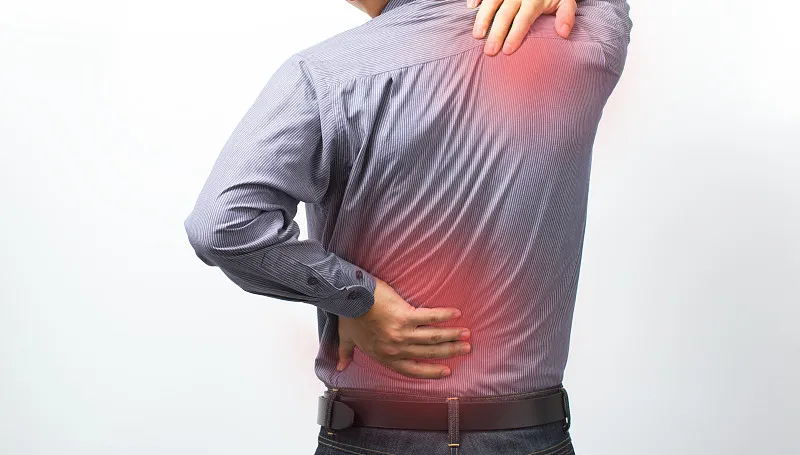
Back pain can be categorized based on its location and intensity. Here's a breakdown of the different areas of back pain:
Upper Back Pain
Upper back pain generally occurs between the neck and the lower ribs. This type of pain can be caused by poor posture, muscle strain, or even stress. Activities that require heavy lifting, long periods of sitting, or poor ergonomics can lead to upper back pain.
- Common causes:
- Muscle strain
- Poor posture
- Herniated discs
- Scoliosis
Middle Back Pain
Middle back pain, or pain in the thoracic spine, is less common than lower back pain, but it can be equally debilitating. It is often caused by the same factors as upper back pain but can also result from issues in the spine or rib cage.
- Common causes:
- Muscle strain
- Spinal misalignment
- Rib problems
- Osteoarthritis
Lower Back Pain
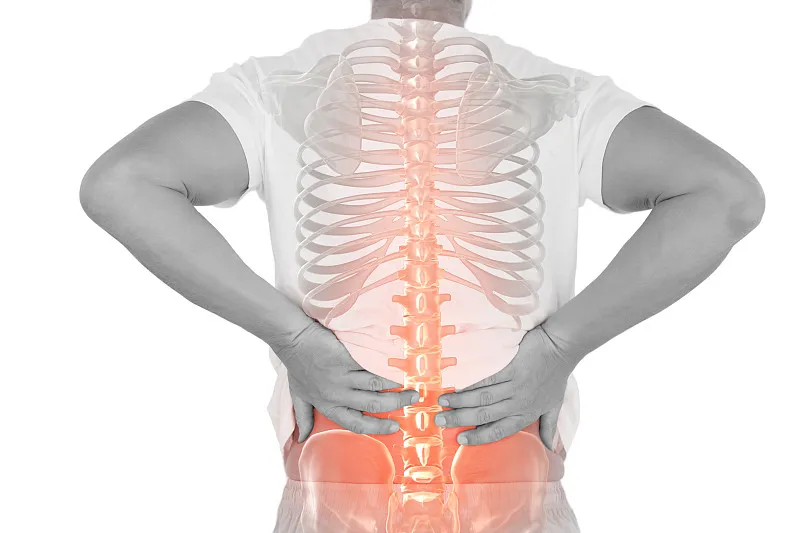
Lower back pain, also known as lumbago, is one of the most common types of back pain. It may radiate into the legs and can be acute or chronic. Lower back pain can be caused by a wide range of factors, from muscle strain to serious conditions like a slipped disc.
- Common causes:
- Herniated or slipped discs
- Sciatica
- Muscle or ligament strain
- Spinal stenosis
Pain Near the Buttocks (Lower Back and Buttocks Pain)
Pain that radiates to the buttocks can be particularly frustrating. This pain often originates from the lower back and travels to the buttocks, sometimes extending down the legs. It’s commonly associated with conditions such as sciatica or piriformis syndrome.
- Common causes:
- Sciatica (nerve compression)
- Sacroiliac joint dysfunction
- Muscle tightness (e.g., piriformis syndrome)
2. Dangerous Back Pain Locations and Warning Signs
While most back pain is not serious, there are certain locations and accompanying symptoms that may signal a more dangerous underlying condition. If you experience any of the following types of back pain, it’s essential to seek medical attention:
Sudden, Severe Back Pain
If you suddenly experience intense back pain without any apparent cause (such as lifting something heavy), it could indicate a serious issue like a herniated disc, spinal fracture, or other medical conditions that require immediate attention.
Pain with Numbness, Tingling, or Weakness
If your back pain is accompanied by numbness, tingling, or weakness in your arms, legs, or other parts of the body, it could indicate nerve compression or a problem with the spinal cord, which may require urgent medical care.
Pain That Radiates Down the Legs
Pain that travels down the legs, especially if it travels below the knee, can indicate a pinched nerve (such as in sciatica). If left untreated, nerve compression could lead to permanent damage.
Pain with Unexplained Weight Loss, Fever, or Bladder Issues
If you experience back pain along with unexplained weight loss, fever, or difficulty controlling your bladder or bowels, it could be a sign of an infection or tumor pressing on the spinal cord, both of which require immediate medical attention.
Pain Following an Injury or Fall
If back pain follows a fall or injury, especially if the pain is sharp or causes difficulty moving, it may indicate a spinal fracture, ligament tear, or other serious injury. Immediate medical evaluation is necessary to prevent further damage.
3. When to Seek Medical Attention
While many episodes of back pain improve with rest and self-care, you should seek medical attention if:
- Your back pain is persistent or severe.
- Pain is associated with leg weakness, numbness, or tingling.
- You experience difficulty standing, walking, or sitting.
- Your pain is accompanied by unexplained weight loss, fever, or night sweats.
- You recently experienced an injury or fall.
A healthcare professional will be able to conduct a thorough evaluation, including physical examinations and imaging tests, to identify the root cause of your pain and recommend an appropriate treatment plan.
4. Treatment Options for Back Pain
For mild to moderate back pain, there are several treatment options available:
- Rest and gentle movement: While rest is important in the initial phase of back pain, gentle movement can also help to alleviate stiffness and improve flexibility.
- Physical therapy: Targeted exercises can help strengthen the muscles in the back and improve posture, preventing future pain.
- Pain relief medications: Over-the-counter pain relievers such as ibuprofen or acetaminophen can help reduce inflammation and manage pain.
- Chiropractic care or massage therapy: These treatments can help address misalignments in the spine and relieve tension in the muscles.
- Surgery: In rare cases where non-surgical treatments are ineffective, surgery may be recommended for conditions like herniated discs or spinal stenosis.
Conclusion
Back pain is a common ailment that can range from a mild discomfort to a debilitating condition. Understanding the various types of back pain and their potential causes can help you identify the source of your pain and take the necessary steps to address it.
However, it’s important to be aware of warning signs that indicate potentially dangerous conditions, such as severe pain, numbness, or pain following an injury. If you experience any of these symptoms, don’t hesitate to seek medical advice. With early diagnosis and appropriate treatment, most cases of back pain can be managed effectively, helping you return to your regular activities without discomfort.