Understanding Dental Bridges: A Comprehensive Guide
What Are Dental Bridges?
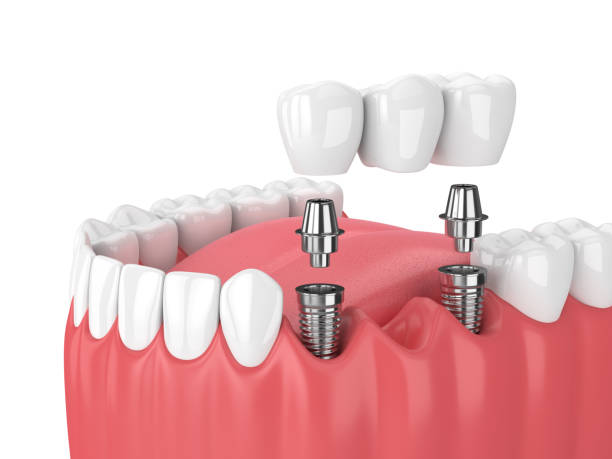
Dental bridges are prosthetic devices used to replace missing teeth. They are attached to existing teeth or implants and "bridge" the gap where the teeth are missing. A typical bridge consists of two crowns on either side of the gap, supporting the prosthetic teeth in the middle.
Types of Dental Bridges
- Traditional dental bridges: involve making crowns for teeth or implants on both sides of the missing teeth, with a pontic (false tooth) placed in the middle.
- Cantilever bridge: Used when there are adjacent teeth on only one side of the missing tooth.
- Bonded Bridge Maryland: A metal or ceramic framework is bonded to the back of adjacent teeth.
- Implant-supported bridge: uses dental implants instead of crowns or frameworks for support.
How to Get a Dental Bridge
- Consultation: Visit your dentist to discuss your needs and determine the best type of bridge for your situation.
- Preparation: Your dentist will prepare the abutment teeth by removing a portion of the tooth enamel to make room for the crown.
- Impression: Impressions of the teeth are made to create a model for the bridge.
- Temporary bridge: A temporary bridge is placed to protect exposed teeth and gums while the permanent bridge is made.
- Bridge installation: Once the permanent bridge is prepared, it is adjusted so it fits properly and then bonded into place.
Cost of Dental Bridges
The cost of a dental bridge can vary greatly depending on a number of factors, including the type of bridge, the materials used, and your location. On average:
- Traditional or cantilever bridges: $2,000 to $5,000 for a single pontic and two crowns.
- Maryland bonded bridges: $1,500 to $2,500 for a single pontic with a metal or ceramic framework.
- Implant-supported bridges: $5,000 to $15,000 for a bridge with multiple implants.
Pros of Dental Bridges
- Improve your appearance: A dental bridge can restore the natural contours of your smile and face.
- Enhance your ability to chew and speak: Replacing missing teeth helps maintain oral function.
- Prevent tooth shifting: A dental bridge can prevent remaining teeth from shifting.
Cons of Dental Bridges
- Damage to abutment teeth: Preparing abutment teeth for crowns can weaken them and increase the risk of future problems.
- Potential for decay: Decay can occur under crowns if proper oral hygiene is not maintained.
- Longevity: While bridges are durable, they typically last between 5 and 15 years and may eventually need to be replaced.
Alternatives to Dental Bridges
- Dental implants: offer a more permanent solution that does not affect adjacent teeth, but are more expensive.
- Partial dentures: a removable alternative that is less invasive and generally less expensive.
Dental bridges are a reliable and effective solution for replacing missing teeth, providing numerous benefits for appearance, function, and oral health. By understanding the types, costs, pros and cons of dental bridges, you can make an informed decision about whether a dental bridge is right for you. Be sure to consult a qualified dentist to explore your options and receive personalized advice.